To the surprise of practically no one, this week’s two-day trilateral meeting in Abu Dhabi seems to have yielded little or no progress toward an end to Russia’s war against Ukraine.
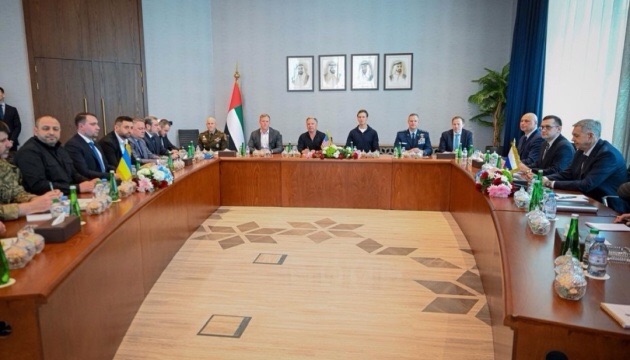
The one good bit of news was the exchange — agreed to on Wednesday — of 314 prisoners, which was immediately implemented on Thursday. Welcome home to all, on both sides.
But that’s it. As usual, Steve Witkoff posted a rosy forecast on X:
“While significant work remains, steps like this demonstrate that sustained diplomatic engagement is delivering tangible results and advancing efforts to end the war in Ukraine.” [RFE/RL, February 5, 2026.]
Meanwhile, however, Russia continues to launch massive barrages of drones and missiles on various regions of Ukraine, largely targeting its civilian energy infrastructure.
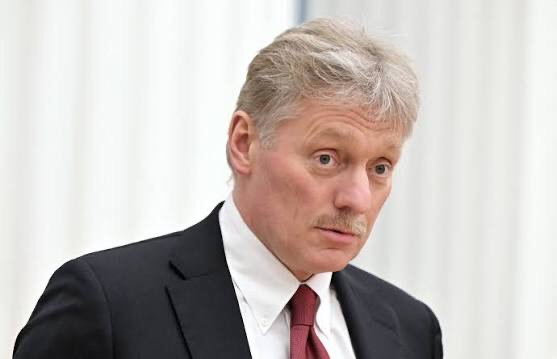
Kremlin spokesman Dmitry Peskov told reporters that Russia’s position has not changed and is “absolutely clear and well understood by both Kyiv and the American negotiators.” [Id.]
And Markus Ziener, a former Moscow-based correspondent and now a fellow with the German Marshall Fund — while acknowledging that the prisoner swap was an indication of some progress — said:
“But I’m rather skeptical if we get to the nitty-gritty, actually, of the whole negotiations. So far, there is not really much that gives us hope that a settlement of the war is within reach.” [Id.]
Ukrainian President Volodymyr Zelensky said that the next round of talks with Russia is “likely” to take place in the U.S., with no timeline being announced as yet.
But despite the obvious need for Zelensky to remain hopeful, nothing is certain. As stated by Markus Ziener:
“I would put myself in the shoes of the Russian president: if I want to negotiate a peace settlement, I would not hammer Ukraine and pound them the way they do. I would actually try to create a situation where you can reach a settlement. Given all the sacrifices Ukraine has [made] so far, I think it’s very difficult for Ukraine to say, OK, well, we’ll cede to the Russian demands and [then] so many lives have been lost lost in vain. So I believe that it’s difficult really to find a settlement that would ask Ukrainians to make major concessions at this point.” [Id.]
Sadly, given the history of the negotiations thus far, Ziener emerges as the voice of reason.

Just sayin’ . . .
Brendochka
2/5/26
 The Blog About Everything … and Sometimes Nothing