It was announced yesterday that the United States would reduce tariffs on Indian goods from 50% to 18% in exchange for, “among other things,” a promise from India’s Prime Minister, Narendra Modi, that his country would stop buying Russian oil. [David Goldman and Matt Egan, CNN, February 2, 2026.]
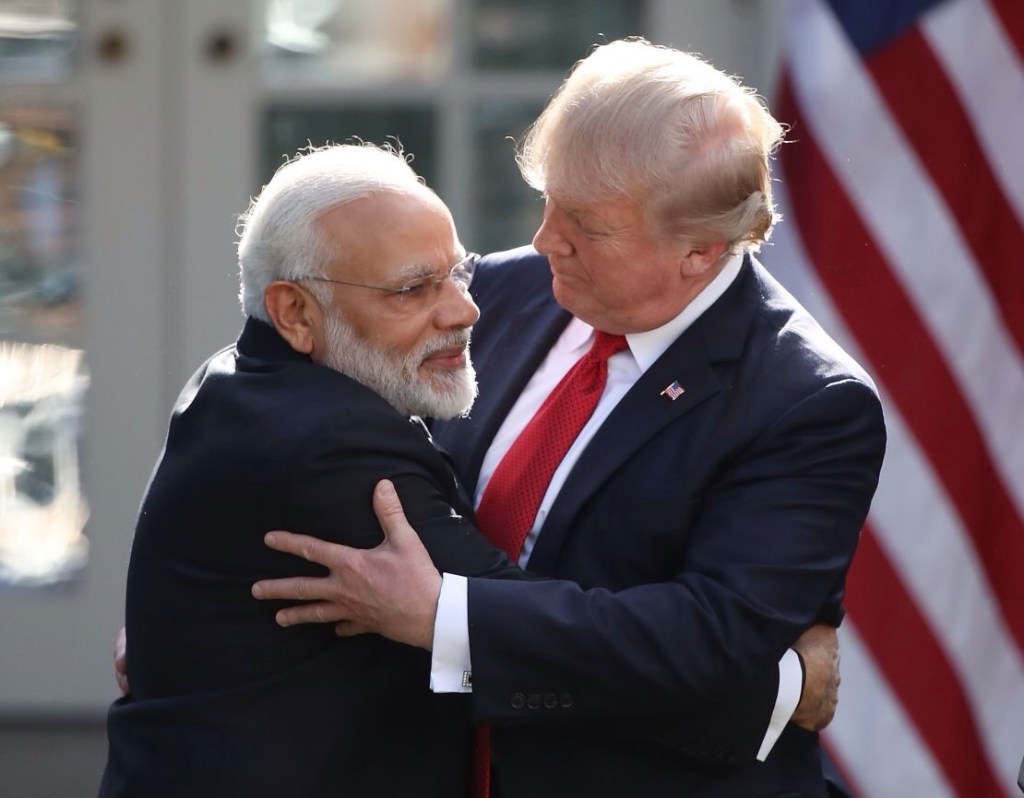
On its face, that sounds like an excellent move on Trump’s part, designed to put further pressure on the Russian economy with a view toward reaching a settlement of the Ukraine conflict.
But what about those “other things”?
For starters, Modi — whom Trump called “one of my greatest friends” — agreed to reduce India’s tariffs on U.S. goods to zero, and to remove unspecified non-tariff barriers.
In addition, Trump said that India pledged to invest in American goods “at a much higher level,” in addition to a $500 billion investment in U.S. energy, technology, agriculture and coal, among other products. [Id.]
So maybe this wasn’t entirely about helping Ukraine. Maybe it was also about offsetting the EU’s recent signing of a free trade agreement with India. As Trump said:
“If India gives preferential access to the EU, US business is affected. There has been a domino effect.” [Id.]
Ever the pragmatist.

But the real kicker is how India will replace the oil it has been importing from Russia — around 1.5 million barrels per day. And the answer, to Trump, was clear: Venezuelan oil, which happens to be of the same heavy quality as Russian oil and is compatible with India’s existing refineries.
It also happens to be under Donald Trump’s control at the present time, along with the revenue from its sales.
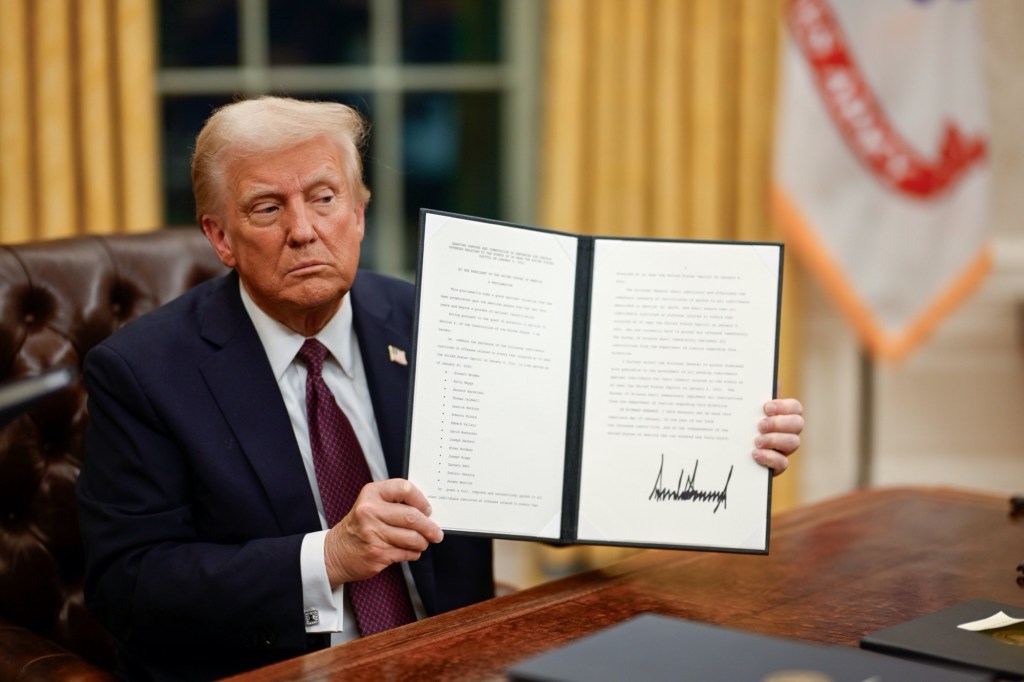
According to a White House “Fact Sheet” titled:
“President Donald J. Trump Safeguards Venezuelan Oil Revenue for the Good of the American and Venezuelan People.
“Today, President Donald J. Trump signed an Executive Order [No. 14373] declaring a national emergency to safeguard Venezuelan oil revenue held in U.S. Treasury accounts from attachment or judicial process, ensuring these funds are preserved to advance U.S. foreign policy objectives. … The Order prohibits transfers or dealings in these funds except as authorized, superseding any prior Orders that might block or regulate them.” [Whitehouse.gov, January 9, 2026.] [Bold emphasis is mine.]
*. *. *
India doesn’t really need to worry about where the money goes once they have paid it, as long as they receive the oil they need. But will they get it? Venezuela’s oil industry is reportedly a shambles, and will require a decade of work and tens of billions of investment dollars to return it to full production capacity. And thus far, the U.S. oil industry has been hesitant to invest in what one oil executive called “uninvestable” Venezuela.
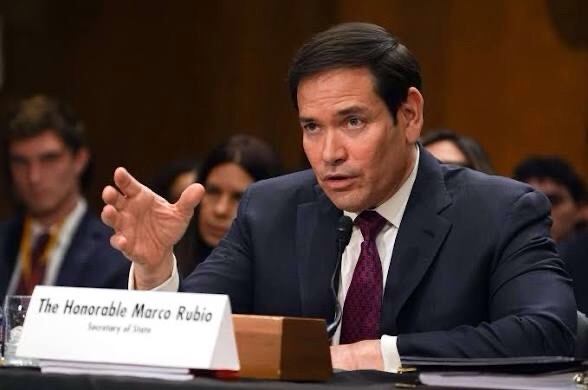
So India may be facing a serious shortfall, unless Trump has a workable plan to get that Venezuelan oil flowing at a sufficient rate to meet India’s needs. According to the White House — and Secretary of State Marco Rubio’s testimony before the Senate Committee on Foreign Relations on January 28th — he does.
On January 29th, the Treasury Department issued General License Number 46, carving out an exception from U.S. sanctions on the Venezuelan oil sector, allowing U.S. companies o engage in certain oil-related transactions with the Government of Venezuela — provided the payments are channeled through the U.S.-based mechanism established by Executive Order 14373. [Scott R. Anderson and Alex Zerden, Lawfare, February 2, 2026.]
Legal experts, as well as some in Congress, have raised serious concerns . . . for obvious reasons. According to Lawfare:
“To many, Trump’s own past rhetoric about ‘tak[ing] the oil’ and his administration’s history of self-dealing — not to mention the involvement of energy trading companies with political ties to Trump and past problems with corruption, as well as a Middle Eastern country that recently courted Trump’s favor by gifting him a luxury jet — makes this scheme suspect.“ [Id.]
On the other hand, Lawfare continues:
“But a closer examination of the legal context shows that there is more to the Trump administration’s plan than it may seem at first blush. The main purpose of the mechanism set up by Executive Order 14373 is to protect Venezuelan oil revenue from legal process, something that is likely necessary if Venezuela wishes to reengage with the global oil economy. Working through Qatar, meanwhile, is a reasonable short-term solution to genuine legal challenges that Executive Order 14373 cannot address and are likely to take the Trump administration more time to resolve — some (but not all) of which reflect internal tensions within the Trump administration’s own broader policies toward Venezuela.” [Id.]
*. *. *
So there are a number of unknown factors to be resolved before anyone can be sure how this will play out for India. But one thing I would be willing to bet on: somewhere along the line, Trump’s balance sheet will be a little heavier in the Assets column.

Just sayin’ . . .
Brendochka
2/3/26
 The Blog About Everything … and Sometimes Nothing