In 1999, people flocked to theaters to see “The Matrix,” then laughed at the concept of robots taking control of us, the very people who had created them.
And in 2004, as we watched “I, Robot,” we pooh-poohed the possibility of a robot conspiracy.
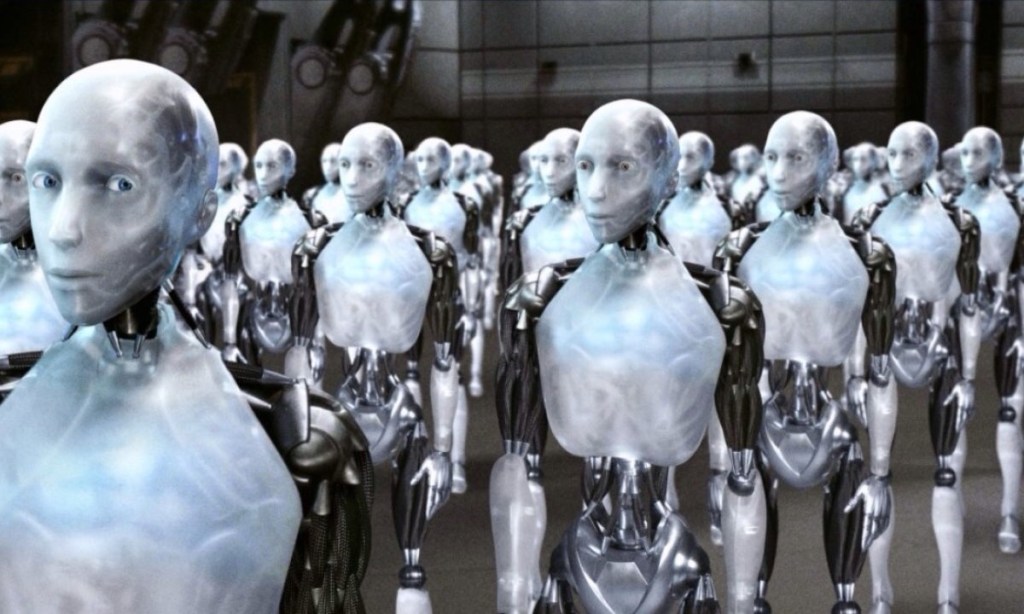
Imagine what our reaction would have been if someone had told us then that, in less than 20 years, those humanoid gearboxes would already be obsolete, replaced by something called Artificial Intelligence, and that every aspect of our lives would be indelibly recorded and remotely accessible to nearly everyone and anyone with the right equipment and computer skills.
But that is precisely what has happened.
We could go all the way back to 1950 and blame Alan Turing for starting the whole thing. But realistically, the trouble didn’t begin until a couple of years ago, when AI-generative tools became widely available . . . and wildly popular with young techies who would rather lose an arm or a leg than be separated from their phones and laptops.
And what better environment for the reproduction and dissemination of AI “cells” than the internet?
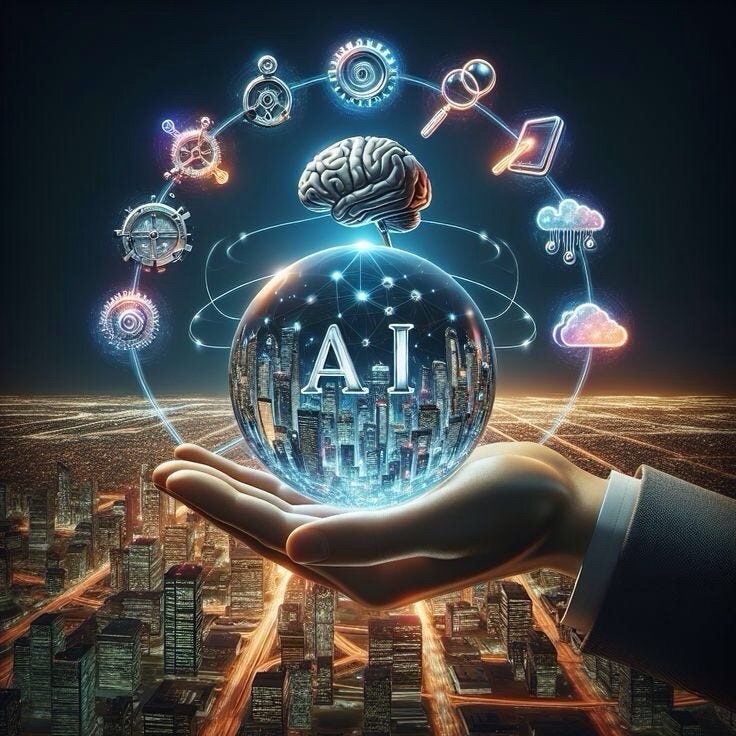
I’ve said it before, and I’ll shout it to the world again: it scares the bejeezus out of me.
The other evening, I watched a full ten minutes of a YouTube video before I realized that the speaker had not once changed position, facial expression, or vocal intonation, and that his hands didn’t look quite right. AI still has trouble with hands. I could have figured it out sooner, if I’d been looking for clues; I just wasn’t expecting it. But I will be from now on.
There is no question that the internet has made life easier in so many ways: keeping in touch with distant family and friends; working from home; shopping and banking for people who find it difficult to get out of the house; studying and doing research for students and scholars; and keeping up with the daily news. I would certainly miss those conveniences.
But most of us are also well aware of the frauds perpetrated via the internet by the legions of faceless, unscrupulous scammers out there. And AI has made it so much easier for them to operate, because it all looks so absolutely, completely real.

And it goes far beyond the pushing of products that turn out to be junk when — or if — we receive them. Far more insidious are the “news” items about things that never really happened, and the political propaganda from all sides designed to make us believe what the perpetrators want us to believe, until we no longer trust our own senses.
Taken to the nth degree, it is nothing short of mind control, and it is terrifying. It has the capability — if we allow it to happen — of turning us all into blithering idiots. But before that happens, perhaps the day will come when the internet will simply die of its own internal rot.
Or maybe — as Dick the Butcher said about the lawyers * — we could just kill all the robots.

Just sayin’ . . .
Brendochka
1/30/26
* William Shakespeare, King Henry VI, Part II (Act IV, Scene 2).
 The Blog About Everything … and Sometimes Nothing