There is panic down here in the southeastern corner of the State of Georgia, where we are experiencing a cold snap — a predicted low of 20 degrees (F) tonight — and the possibility of as much as an inch of snow on Sunday. Now, I know that to our friends in Greenland, Canada and Finland, that’s a mild winter day; and I was born and raised in New England, where I walked to school between snow banks that were taller than I was. But we’re talking about the South here. If that snow materializes, there will be trouble.
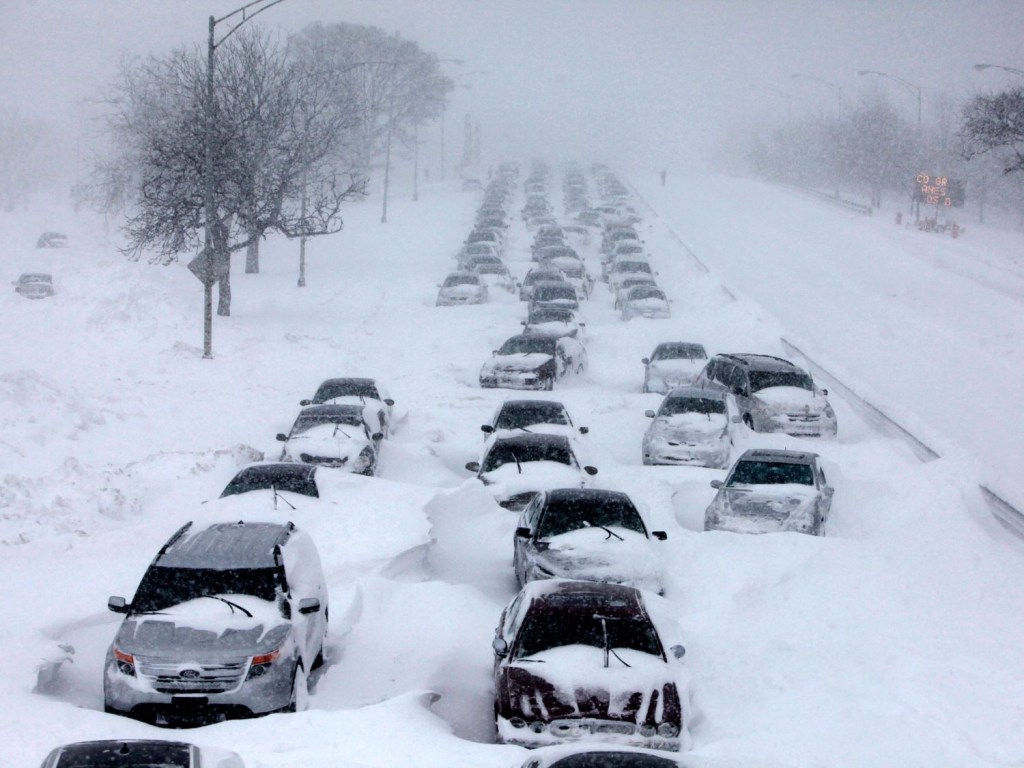
As far as I know, there is no country in the world in which it is illegal to complain about the weather, which is fortunate because we all do it. And natural disasters, of course — droughts, floods, volcanic eruptions, tornadoes, earthquakes, pandemics — are, by definition, disastrous. But they’re also fairly common, and we humans have learned to deal with them.
But on this date 107 years ago — January 15, 1919 — something unforeseen happened in Boston, Massachusetts, that, to my mind, redefines the concept of horrible ways to die.

It was an unseasonably warm winter day in Boston, where workers at the United States Industrial Alcohol building near Boston’s North End Park were loading product onto freight-train cars inside the building. It was close to lunchtime when a 58-foot-high tank filled with 2.5 million gallons of crude molasses exploded, the bolts holding the bottom of the tank shooting out like bullets, and the hot molasses spewing forth in an eight-foot-high wave that swept away the freight cars and caved in the building’s doors and windows. The few workers in the cellar of the building were trapped and killed. [“This Day in History,” History.com, January 15, 2026.]
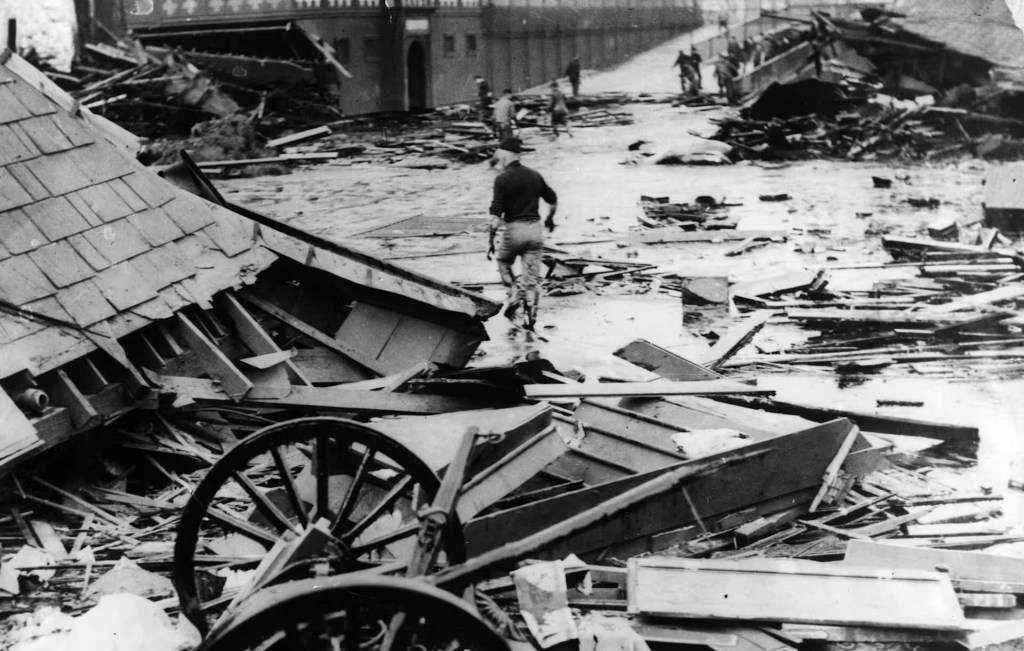
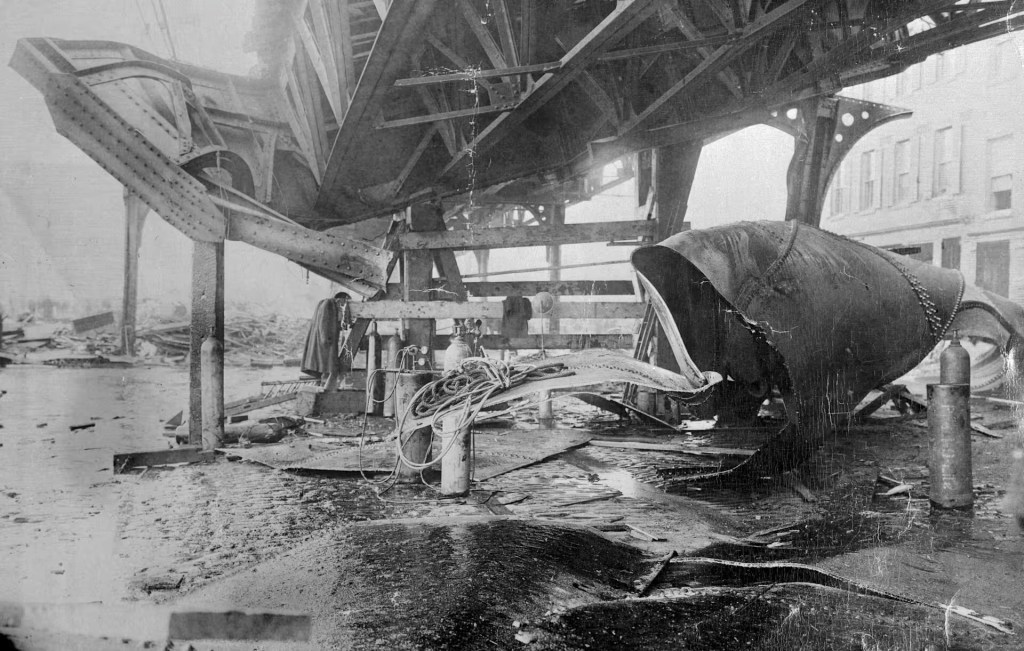
The torrent of molasses then flowed into the street, knocking over the local firehouse and pushing over the support beams for the elevated train line. Five workers at the nearby Public Works Department were drowned and burned. In all, 21 people and dozens of horses were killed by the flood.
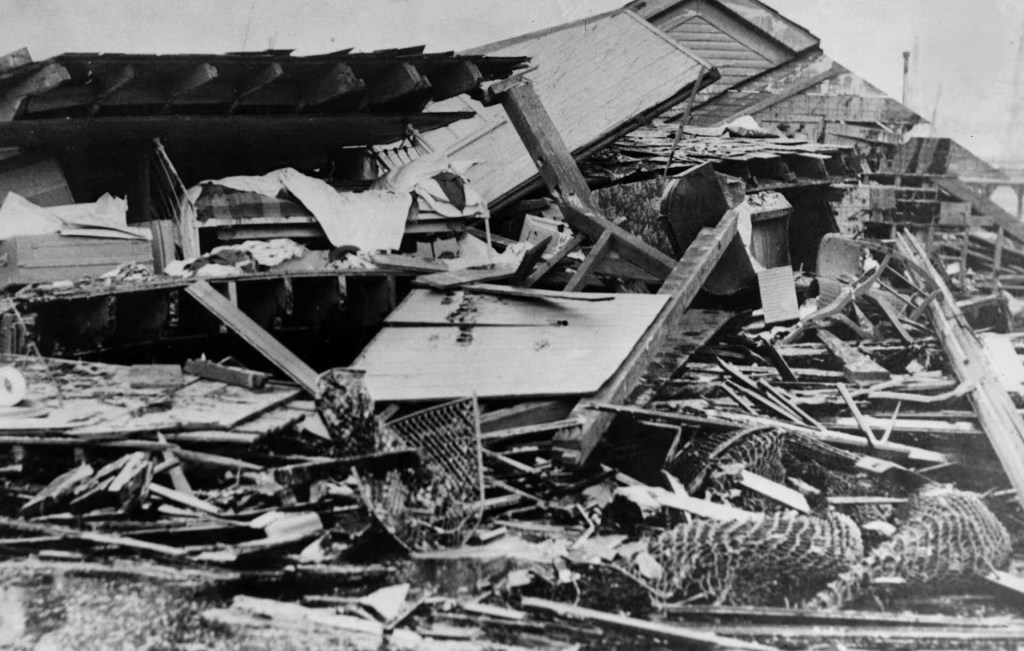
It took weeks to clean the molasses from the streets, and even longer to repair the damage. More than 100 lawsuits were filed against the United States Industrial Alcohol Company, resulting in a six-year-long investigation involving 3,000 witnesses and 45,000 pages of testimony. The company was finally held liable, and nearly $1,000,000 — the equivalent of about $19,000,000 today — was paid to settle the claims.

And now I have yet another nightmare scenario to invade my sleep. I think I prefer the old dreams in which I’m being pursued by killers who keep finding my hiding places, or . . . well, never mind. Suffice it to say, almost anything is preferable to being buried in burning hot molasses.

Just sayin’ . . .
Brendochka
1/15/26
 The Blog About Everything … and Sometimes Nothing