Has anyone noticed the silence? Not in Ukraine, of course, where the Russian missiles and drones continue to arrive by the dozens (or more) on a daily basis, damaging or destroying essential infrastructure, maiming and killing civilians, and leaving the survivors without heat, electricity, water, or proper shelter.
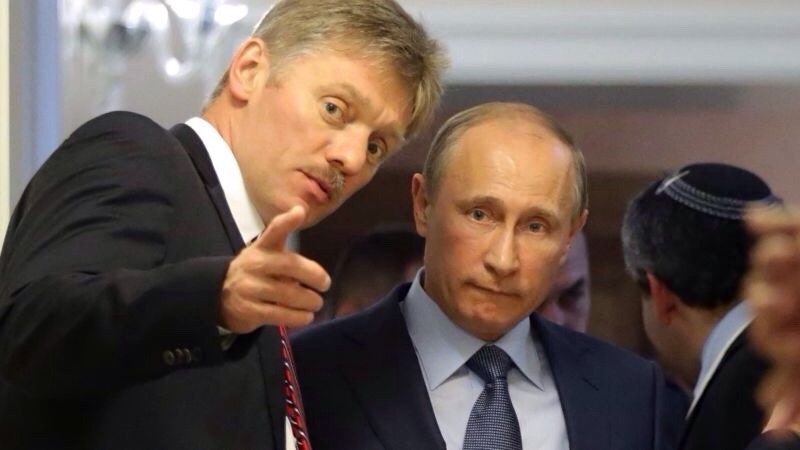
No, the silence is emanating — if silence can actually emanate — from the Kremlin. Why are we not hearing the customary daily rhetoric from Vladimir Putin, Sergey Lavrov, or Dmitry Peskov? While they’re inexplicably not bombarding the world with verbal threats of impending Armageddon, what the hell are they doing?
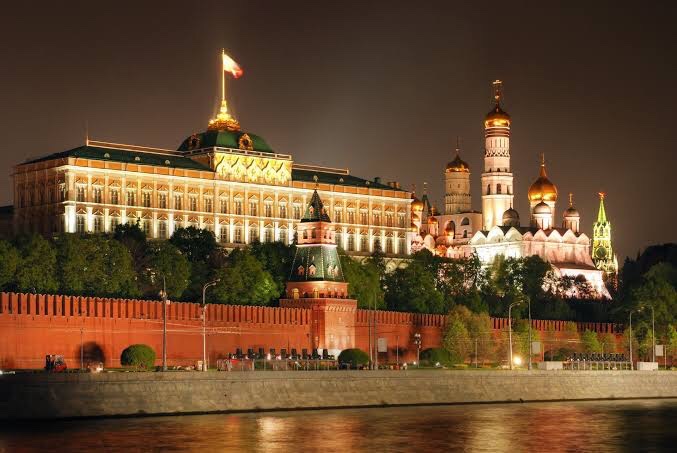
It is, of course, impossible to know what goes on behind the Kremlin gates. But beyond Russia’s borders — throughout Europe — Putin’s hybrid war has been continuing, bit by bit, incident by incident, in ways that provide Moscow with at least a semblance of deniability. Consider:
Drones over Europe. They’re not attacking; they’re simply showing up, violating NATO airspace, surveilling, and making Poland, Germany, Finland, Lithuania, and the rest of Europe . . . well, more than a little edgy.
Baltic undersea cables being cut. Accidental? Once, maybe. But multiple incidents in the Baltic? Hardly.
Railway explosion. Poland has charged three people for the November explosion on a key railway route used to transport aid to Ukraine.
Explosive device in Lithuania. One of the three people charged in Poland has also been found guilty of detonating a device at an Ikea store in Lithuania in November.
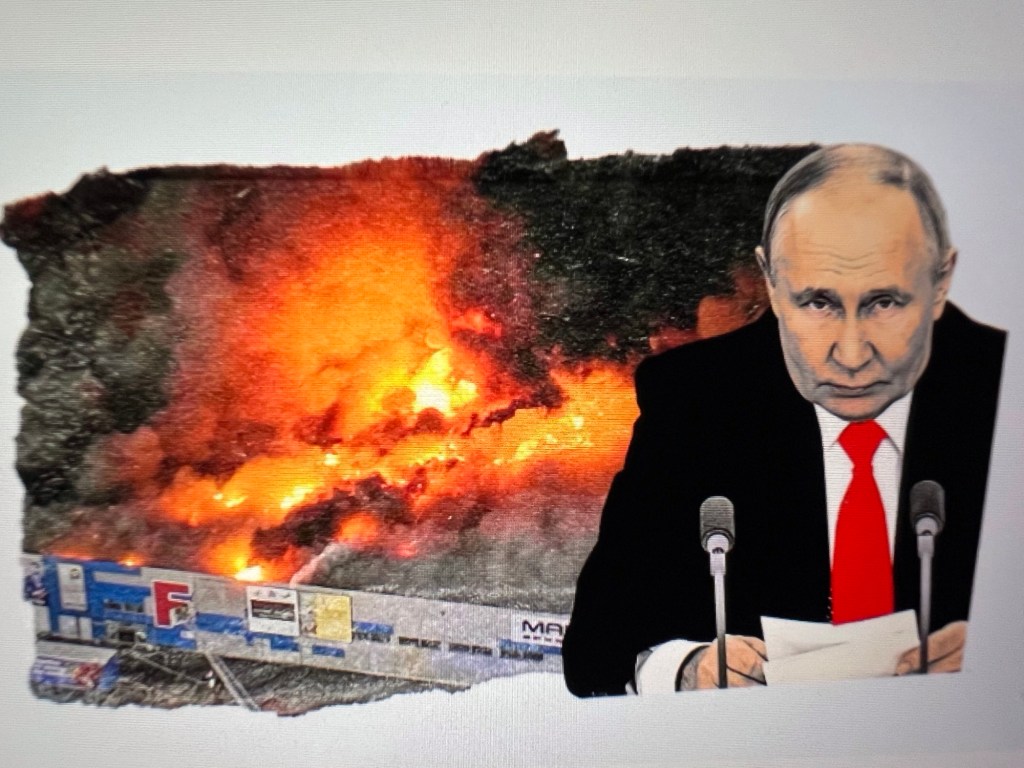
Arson. A shopping center was set afire in Warsaw, Poland, in 2024.
Communications and transportation. The jamming of GPS systems used by airports in the Baltic region has been attributed to Moscow.
Graffiti and cyber propaganda. Anti-Ukraine sentiment is being stirred up in numerous countries.
Election interference. An old story, continuing unabated.
*. *. *
Several days ago, Germany’s capital city of Berlin suffered a five-day blackout when arsonists attacked a gas-fired power plant. An estimated 100,000 people were left without electricity and heat in the frigid winter weather; some schools were closed; and hospitals were forced to rely on emergency generators.
A radical far-left group — Vulkangruppe — has claimed responsibility. But were they indeed acting independently? Or might they be part of Russia’s newest assemblage of mercenaries, sometimes referred to as Russia’s “disposable” saboteurs?
In much the same way as they recruit young men to serve in the military by offering financial incentives, the Russian authorities are now using online messaging apps and cryptocurrency payments to recruit “disposable” agents for sabotage operations throughout Europe . . . including financially-needy Ukrainian refugees who may not be aware of who is paying them. [Marc Bennetts, Thetimes.com, January 14, 2026.]

A report by the Royal United Services Institute (RUSI), a London-based think tank, said:
“The methods used to recruit and task saboteurs have shifted from Cold War-era reliance on trained intelligence operatives to a model characterised by remote, freelance and highly deniable assignments: the ‘gig-economy era’ of Russian sabotage.
“Low-level operatives are commonly recruited via encrypted messaging apps, such as Telegram, and paid small sums, often in cryptocurrency.” While most recruits are paid a few dollars for simple acts of vandalism such as graffiti, while others receive up to $10,000 for more serious crimes, the report stated that: “In several cases, saboteurs were not paid at all, underscoring their disposability.” [Id.]
One of the authors of the report — Kinga Redlowska, an expert on illicit finance and security — said that eroding support and creating fear and tension “is part of the logic of low-level [Russian] sabotage, even when the physical damage itself is limited. Europe has been relatively slow to recognise these incidents as part of a co-ordinated sabotage campaign. Money moves quickly, especially via crypto and informal cash services, while legal and cross-border co-operation processes move slowly. Even failed or low-impact attacks still achieve Russian objectives by creating fear, draining security resources and testing response thresholds.” [Id.]
*. *. *
Whatever else they may be up to inside those massive red brick walls, one thing is for certain: the Kremlin’s insidious work continues, albeit more quietly than usual. And that quiet is itself cause for concern.
Because the Great Russian Bear never sleeps.

Just sayin’ . . .
Brendochka
1/14/26
 The Blog About Everything … and Sometimes Nothing