It’s a matter of public record that the epicurean delight we know as the sandwich was named after one John Montagu, 4th Earl of Sandwich, in 1762. That nobleman is said to have been an inveterate gambler — so much so that he did not appreciate having his card games interrupted by anything as mundane as mealtime. So he ordered his servants to arrange some meat between two slices of bread, enabling him to hold onto his cards with one hand and his food with the other, without getting either of them greasy.
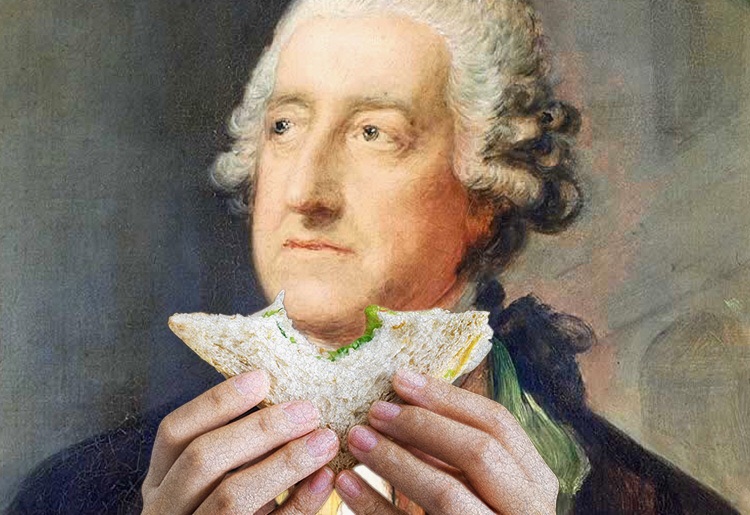
Of course, the sandwich as we know it today has evolved to the point where it wouldn’t be recognizable to the Earl — usually consisting of many layers of a variety of ingredients, often slathered in some sort of dressing, rendering it impossible to hold with one hand while doing anything else with the other except perhaps wiping one’s chin . . . thus defeating the Earl’s original purpose.
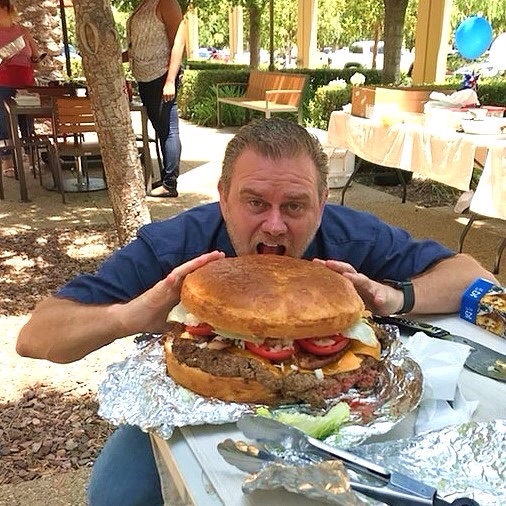
And what, you may be asking yourself, led me to this discussion of 18th-century British nobility and the equally noble gastronomic concoction we all love and consume by the truckload? Well, it was, of course, something I stumbled across while surfing the net.
As it turns out, Montagu did not originate the idea of convenience food; he merely popularized it. In fact, it had existed for centuries in one form or another, such as the Middle Eastern wrap made with flatbreads, and the highly improbable — and seemingly impossible — “Hillel sandwich” devised by the Jewish people who were not allowed to eat leavened bread during the eight days of Passover.
I say the Hillel sandwich seems impossible because what they had to use in place of the usual bread was unleavened matzo, which, as you may know, is as stiff as a board and crumbles into crunchy little shards when you touch it. So how, I wondered, would one eat a matzos sandwich? And I concluded: Very carefully.
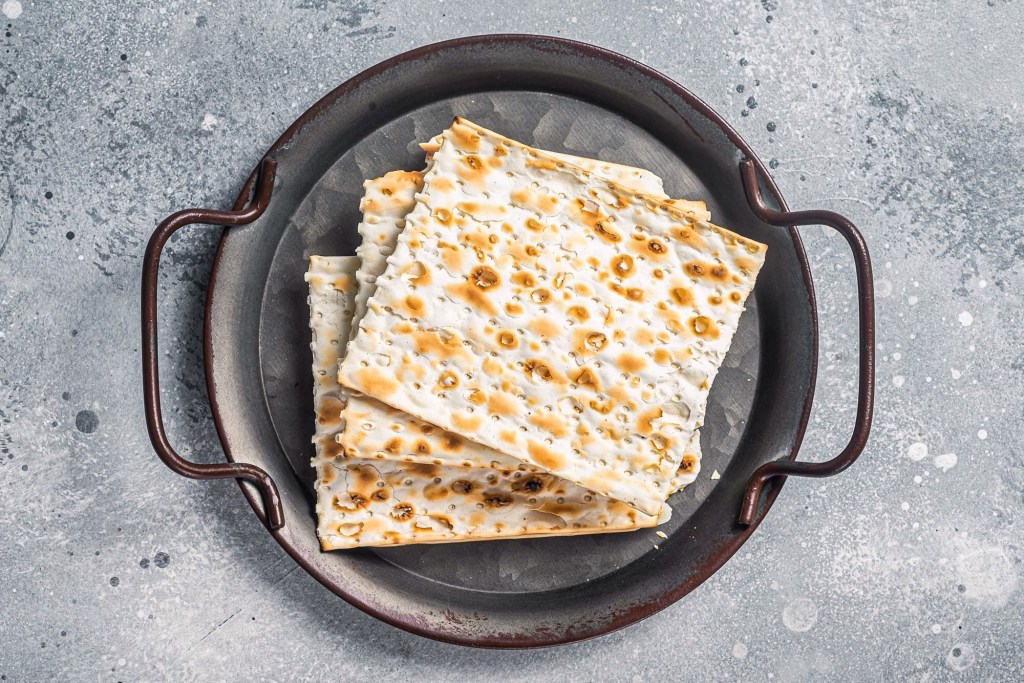
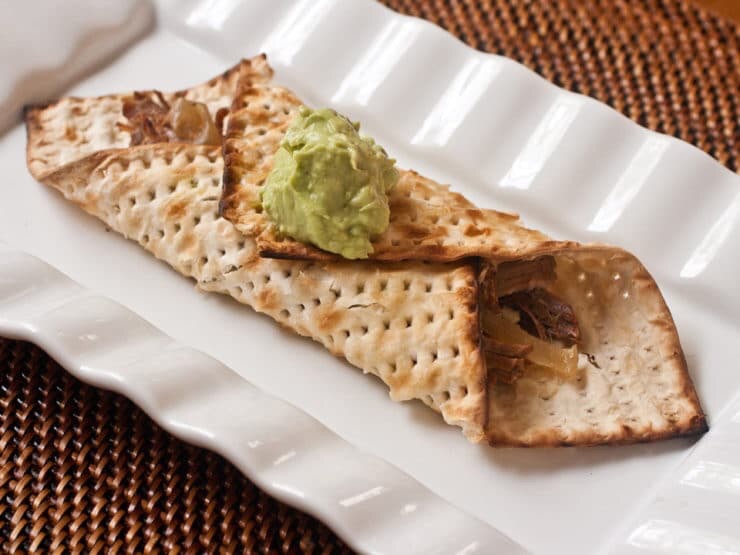
But of course that wasn’t enough for me, so I went on a search for more information, and found actual AI instructions for a matzo wrap, described as “a versatile meal or snack made by gently softening a sheet of matzo so it becomes pliable enough to fold around various fillings like a tortilla.”
And I wondered what my grandparents would have thought of a Jewish tortilla, because I know — I am absolutely positive — that I never saw anything like that when I was growing up.
Oy!
But having lived nearly half their lives in 19th-century Russia (the part that is now Ukraine), they had to be clever in order to survive. So perhaps such a thing did exist there, and they simply preferred to leave it behind them when they came to the promised land of America in 1905.
Anyway, in the certainty that I have aroused the reader’s curiosity, I will share with you an abridged version of the instructions I found:
1. Dampen the matzo: Briefly run a square of matzo under cool water for about 20-30 seconds, ensuring the entire surface is wet.
2. Soften it: Immediately wrap the dampened matzo in a clean kitchen towel and let it sit for about 7-10 minutes. It should be flexible enough to fold like a tortilla or wrap around fillings.
3. Fill and fold: Add your desired fillings. [Here AI goes on to describe a “tortilla hack” fold. If you really care, you might just Google “matzo wrap” and give it a try.]
4. Cook (optional): [This contains instructions for a “warm, crispy wrap,” using an oven, air fryer, or skillet.]
So now, after you’ve gone to the considerable trouble of softening the matzo to make it pliable, they’ve just told you how to make it crispy again. Don’t ask . . . just assume it’s an old-world Jewish thing. That’s what I always do.

But wait . . . there’s more. The bots (or whatever they are) at AI go on to offer suggestions for fillings, including hot dogs (kosher, no doubt); beef brisket; eggs and cheese (hold the bacon); pizza sauce with cheese and veggie toppings; and a tuna, cheese and sliced tomato combo for those who can’t go eight days without a tuna melt.
And there are other sites with recipes that actually look delicious. But I’m getting hungry just thinking about them, so I’m going to close now, try to forget about food, and get some actual work done. If you’re interested, though, feel free to start scrolling.
Also, if you’re up for a little extra-credit research, check out the history of why we don’t eat bread during Passover. It obviously took a great deal of ingenuity to keep up with God’s requirements in biblical times.

Just sayin’ . . .
Brendochka
1/12/26
 The Blog About Everything … and Sometimes Nothing