The December holiday season — encompassing Christmas, Chanukah, Kwanzaa, and the countdown to a brand-new year — is a time when we turn our thoughts to giving . . . giving of ourselves to those closest to us, and often donating to those around the world whom we’ve never met but who are in dire need.
And thus I have found it oddly appropriate to share with you this tale of perhaps the ultimate giver: Russian-born, exiled billionaire entrepreneur Pavel Durov . . . and why he made me think of the legendary “Johnny Appleseed.”

Though “legendary,” John Chapman was a real person. Born in 1774 in colonial Massachusetts, he developed an early interest in conservation that led him to a career as a nurseryman, and to the discovery of a means of growing trees from apple seeds rather than the traditional grafting method. He introduced his methods to the far-flung areas of Pennsylvania, Ohio, Indiana, Illinois, West Virginia, and even the Canadian Province of Ontario, becoming a folk hero who earned the nickname of “Johnny Appleseed,” and inspired the creation of numerous poems and songs in his honor.
Pavel Durov, on the other hand, probably doesn’t give a great deal of thought to trees. The creator of the original VKontakte (now simply VK) social networking service in Russia, he fled his native country to escape pressure from the Kremlin to reveal confidential information about his clients. Settling for a time in France, he turned his talents to the new network we now know as Telegram. He holds multiple citizenships and spends most of his time in Dubai; his net worth has been estimated by Forbes at $17 billion.
So, other than inventiveness and perseverance, what do these two men — from different centuries and different lands — have in common?
Well first of all . . . look at their pictures.
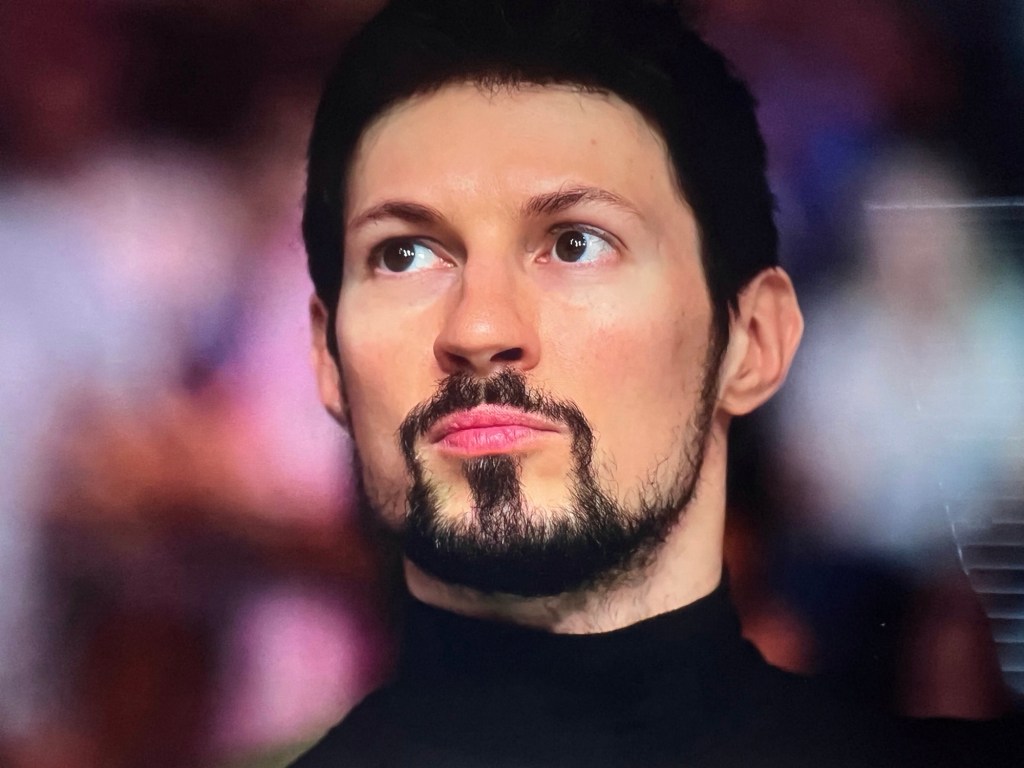
Now, that’s just eerie!
But setting aside the doppelgänger effect, these two men share another common passion: procreation. Johnny Appleseed grew trees from apple seeds; Pavel Durov grows children from a whole other kind of seed: his endless supply of human sperm.
Durov is a passionate advocate of pronatalism: a movement that has been likened to a rebirth of the theory of eugenics (selective breeding). Sometimes dubbed the “Russian Elon Musk,” he is said to have fathered 100 biological children across 12 countries by means of in vitro fertilization (IVF).
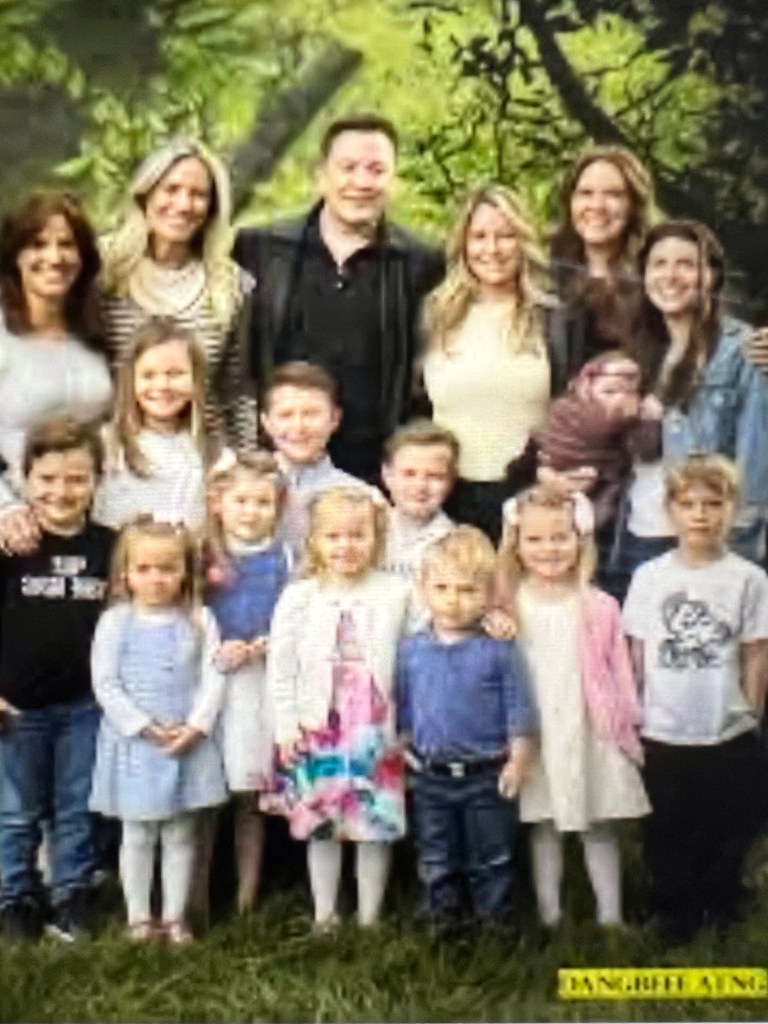
But unlike Musk — who boasts of having convinced multiple wives and girlfriends to become the “baby mamas” for his estimated 14 offspring, and actually takes an active part in their lives — Durov does not know the recipients of his largesse. His first donation occurred around 2010, when he helped out a friend who was having difficulty conceiving a much-wanted child. He later had the idea of providing his supposedly “high-quality” genetic material to others, in an effort to reverse the trend of a decreasing world population . . . and to help create a race of physically and intellectually superior — and, not incidentally, white — Homo sapiens.
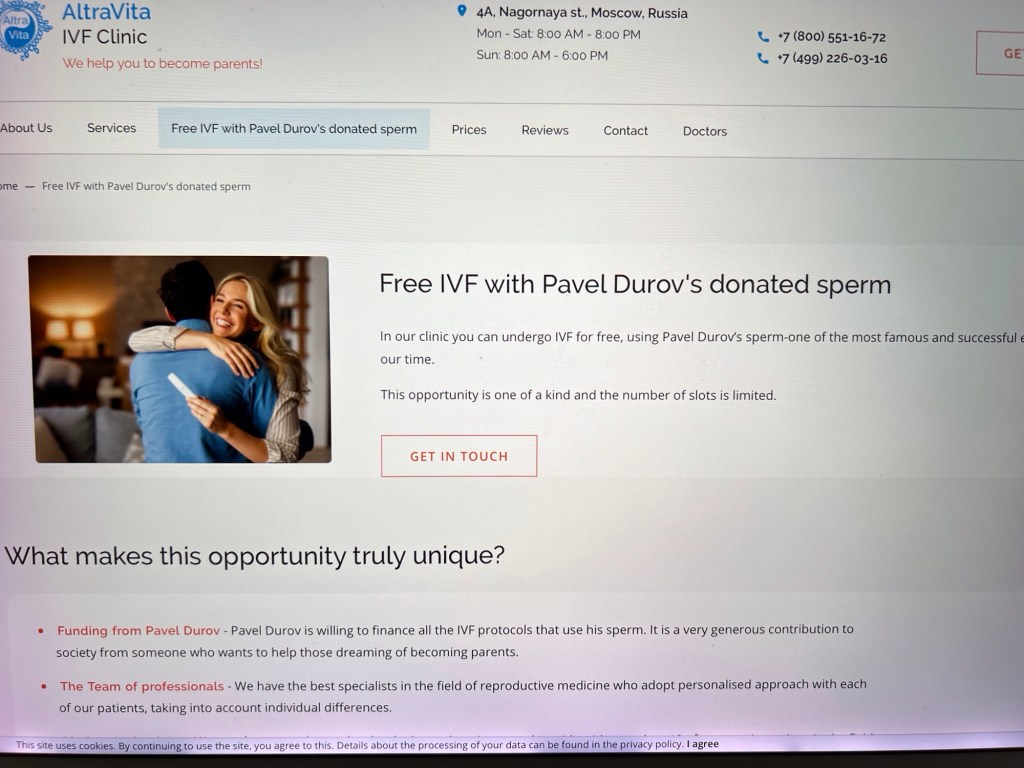
Durov is busy operating his business interests and dealing with his legal problems in France, and apparently no longer has time to spend in that private little room doing you-know-what for the future benefit of mankind. But when he fled Russia, he left behind sufficient sperm, safely frozen, with a Moscow fertility clinic known as AltraVita. The clinic now advertises — on its website, on social media and news sites, and at conferences — that it has Durov’s “biomaterial” available for free IVF treatment of qualified women . . . meaning that they also must be physically and intellectually superior.
A former doctor at the clinic said:
“The patients who came, they all looked great, were well-educated and very healthy. They wanted to have a child from, well, a certain kind of man. They saw that kind of father figure as the right one.” [Sam Schechner, Daria Matviichuk and Thomas Grove, Wall Street Journal, December 22, 2025.]
I’m not sure that “father figure” is the right description of someone the children will never know, but nevertheless . . .
Now Durov has generously offered an added incentive to those women who may be hesitating to undertake an IVF protocol for financial reasons: in addition to covering the cost of the IVF treatments, he announced in a podcast with Lex Fridman in October that his biological children could each receive an equal share of his inheritance:
“As long as they can establish their shared DNA with me, someday maybe in 30 years from now, they will be entitled to a share of my estate after I’m gone.” [Id.]
What a guy! There are others — some of the wealthiest and most influential men in the world — with a similar interest in producing as many little likenesses of themselves as possible . . . even to the extent of using genetic testing and experimental gene splicing. But I haven’t heard of any of the others offering the possibility of future inheritance. (Not that there’s any guarantee of fulfillment of that half-hearted promise from Durov, “someday maybe in 30 years from now.”)
*. *. *
Aside from the ethical questions that have always surrounded the concept of selective breeding in humans, my first reaction to Pavel Durov’s story was:

“Selective breeding” is how we pair race horses to produce winners, cows to supply us with high-quality milk and beef, and dogs to take Best of Show at Westminster. Is it also how we want to produce our next generation of children?
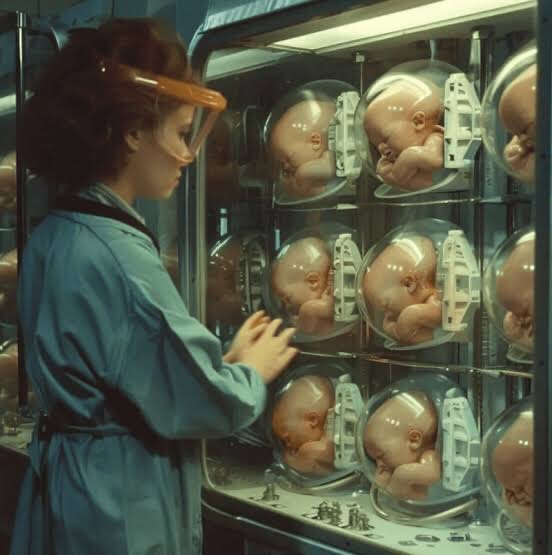
Seriously?
Just sayin’ . . .
Brendochka
12/26/25
 The Blog About Everything … and Sometimes Nothing