December 16th seems to have been an auspicious date in several parts of the world back in the 1700s.
To begin with, on this date in 1770, Ludwig van Beethoven was born, presumably kicking and screaming, in Germany.
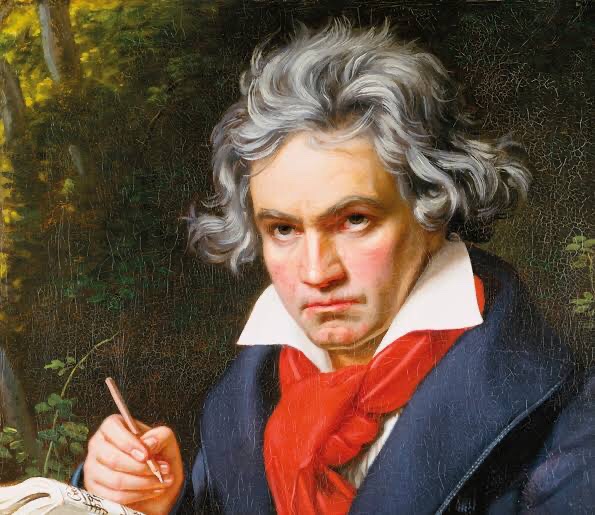
Now, I appreciate History.com’s daily reminders of historic events; but I have to take issue with their brief description of the musical genius who continued composing some of his most masterful works after losing his hearing. What they wrote was:
“German composer and influential figure in Western classical music with works like ‘Symphony No. 9.” [“This Day In History,” History.com, December 16, 2025.]
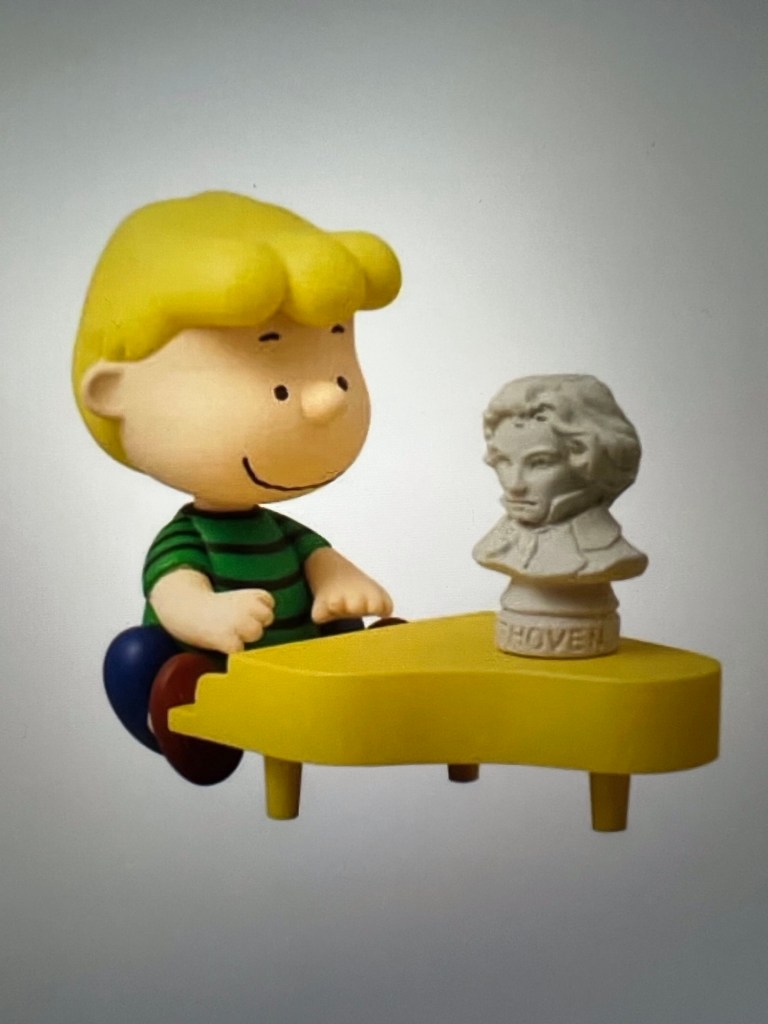
My point: Isn’t that like saying that Michelangelo Buonarroti was an Italian artist who once painted a church ceiling? Come on, people . . . let’s give credit where credit is due. Surely, Schroeder would never have described his idol in such understated terms.
*. *. *
But moving on . . .
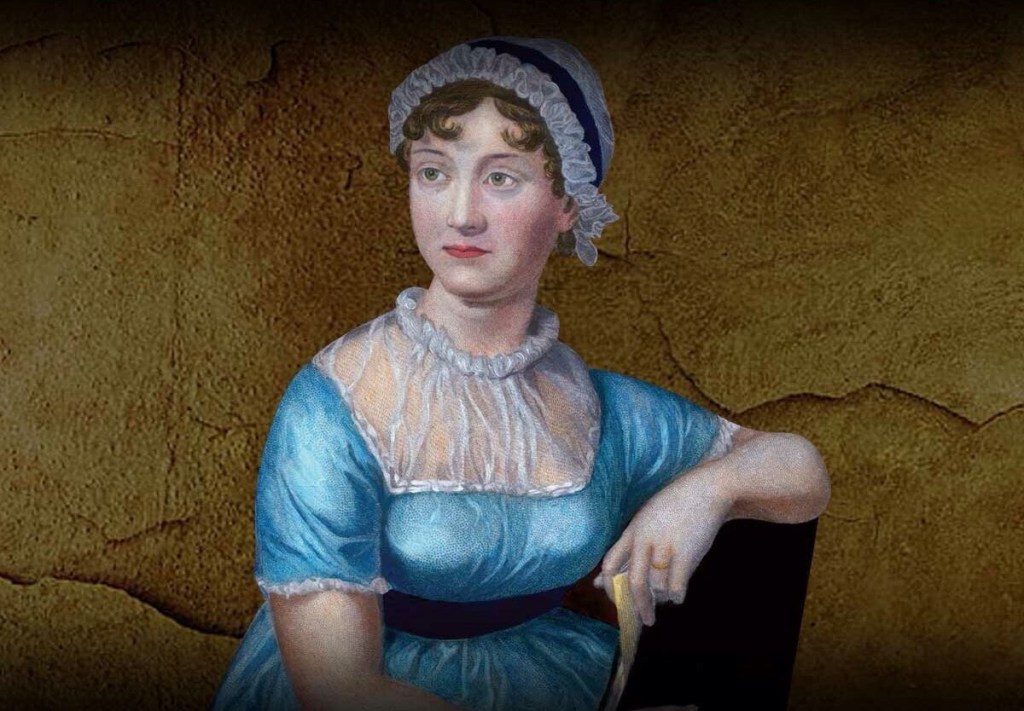
On December 16, 1775, a baby girl was born to George and Cassandra Austen in Hampshire, England. The seventh of their eight children, they named her Jane, and raised her in proper English fashion . . . meaning that she would eventually marry and have a family of her own. But Jane was blessed (or cursed) with intelligence and an independent spirit, and chose instead to become a writer. Thus the world inherited “Pride and Prejudice,” “Emma,” and “Sense and Sensibility,” among other treasures.
Thank you, Jane, for following your dream throughout your too-short life.
*. *. *
And on this date in 1773, in the British colonies across the Atlantic Ocean in America, a group of colonists — fed up with British taxes and other forms of political oppression — disguised themselves as Mohawk Indians, boarded three British tea ships, and threw one hell of a tea party, dumping 342 chests of the cargo into Boston Harbor.

It is unclear whether scones were also served. But we do know that the festivities, followed by retribution from the British in the form of the Coercive Acts of 1774, ultimately led to an all-out revolution. As we also know, the colonists won, and over time the two countries became — and still are — the best of friends, sharing many a “cuppa” throughout 250 years of trade, a couple of world wars, and a few recent royal and presidential scandals.
So let’s raise a glass to December 16th . . . altogether an outstanding day in history.

Just sayin’ . . .
Brendochka
12/16/25
 The Blog About Everything … and Sometimes Nothing