December, 1978:
In 1978, the Soviet Union, under the leadership of Leonid Brezhnev, was anxious to gain control over neighboring Afghanistan, which it considered vital to Russia’s national security.
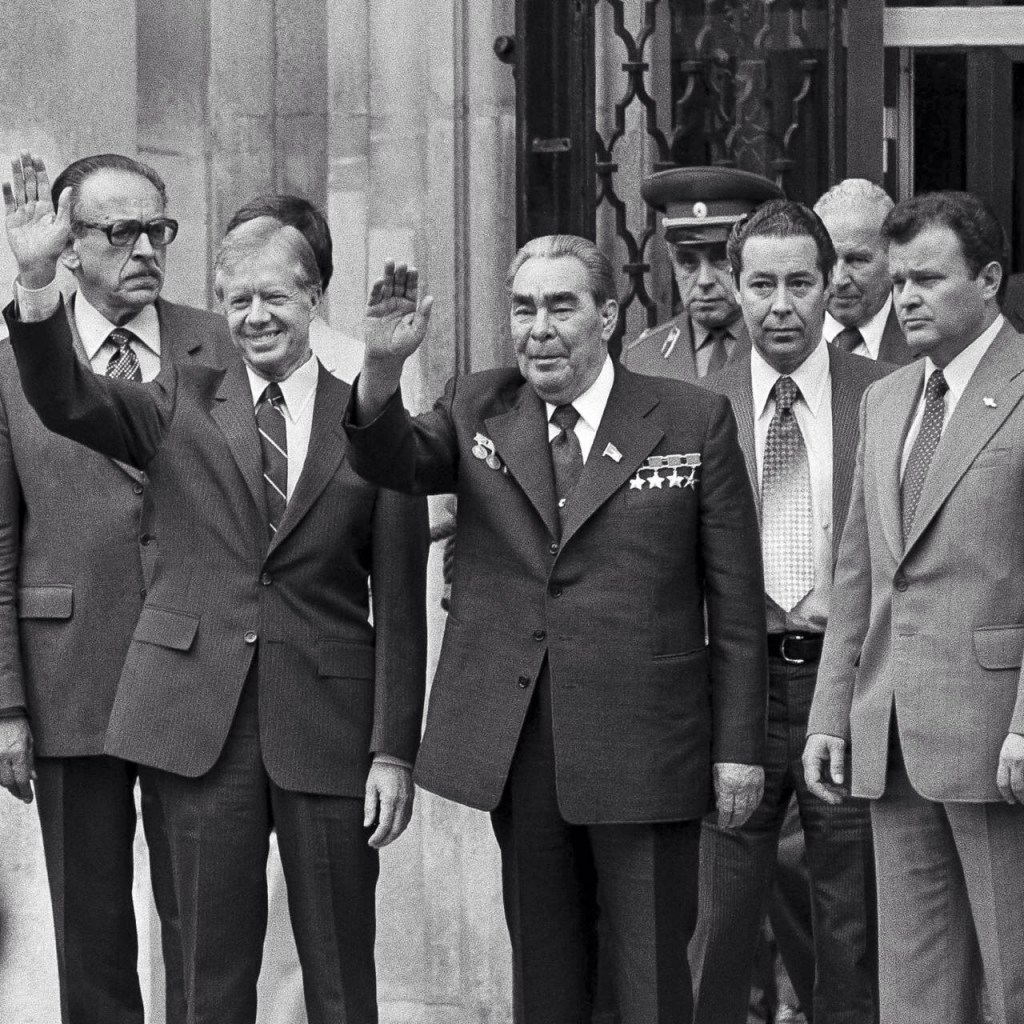
At the time, Afghanistan was in the throes of a civil war between the unpopular pro-Soviet regime and the rebel Muslim Mujahideen. In April of 1978, members of the Afghan Communist Party had overthrown the rebels and killed its leader, President Sardar Mohammed Daoud. The head of the Communist Party, Nur Mohammed Taraki, then took control of the government and declared one-party rule in Afghanistan.
To support the Communist bloc against the Mujahideen, the Soviet Union had for years been supplying economic aid and military assistance. But on December 5, 1978 — 47 years ago yesterday — they went a step further and signed a “friendship treaty” with the Taraki government, establishing a 20-year period of “friendship and cooperation” between the two countries, and promising continued military cooperation. [“This Day In History,” History.com, December 5, 2025.]
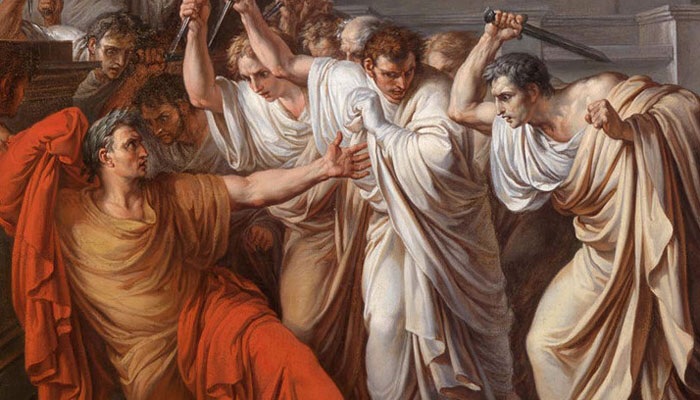
But, as they say, what goes around comes around. In September of the following year, Taraki — who was unpopular even within his own circle — was in turn killed by members of the Communist Party.
Shades of Julius Caesar!
*. *. *
December, 1979:
What a difference a year makes.
Shortly before Christmas of 1979, I was hard at work at my desk in the Washington law offices of Surrey, Karasik & Morse, not really aware of the soft music issuing from the radio behind me. I took a lot of good-natured flak from my boss, Walter Sterling Surrey, about that radio; he couldn’t understand why I found it soothing. But I refused to give it up.
Suddenly, the music was interrupted by an urgent news flash: Soviet troops had entered Afghanistan, joined up with the Afghan military, and declared war against the rebel Mujahideen and their Pakistani allies.
Our law firm had multinational corporate clients doing business throughout the world, including in the Soviet Union. The U.S. and Great Britain, among others, were sure to back the rebels against the Soviet-led Communist forces. This did not bode well for our clients’ business interests.
Those were the days before the miracle of the internet. I immediately shouted out the news to Walter, who began calling clients while I got onto the phone with the State Department’s press office, arranging to obtain a first copy of their press release. That early report saved several of our clients a great deal of money and angst, allowing them to slam the brakes on any potential transactions with Soviet entities.
And Walter never teased me about my radio again.
It would be nearly ten years before the Soviet forces were driven out of Afghanistan, in what came to be known as “Russia’s Vietnam.” That invasion served to heat up the Cold War, and to send U.S.-Soviet relations into a downward spiral that lasted until the glasnost and perestroika reforms of Mikhail Gorbachev and the 1991 breakup of the Soviet Union itself.
But then, in December of 1999, along came Vladimir Putin, who for the past quarter of a century has been turning the clock back in a drive to reestablish Soviet-style rule, reclaim as many of the former Soviet Republics as possible within his sphere of influence, and ultimately recreate his vision of a new Russian Empire.
Most important — and proving most difficult — for Putin has been Ukraine, which, like Afghanistan in the ‘70s and ‘80s, is strategically vital to Russia as a buffer zone between it and Europe’s NATO-member countries.
So, while Putin publicly rhapsodizes about the historical and spiritual ties between Russia and Ukraine, his real goal is one of geopolitical pragmatism. He will never willingly retract, or even compromise, his “peace” terms.

More important, though, is this lesson to be taken from the annals of history:
Leonid Brezhnev thought nothing of abandoning his “friendship treaty” with Afghanistan in 1979. And Vladimir Putin will not hesitate to ignore any peace treaty he may sign with Ukraine, so long as it suits his purposes to do so. It is, and always has been, the way of tyrants, regardless of nationality.
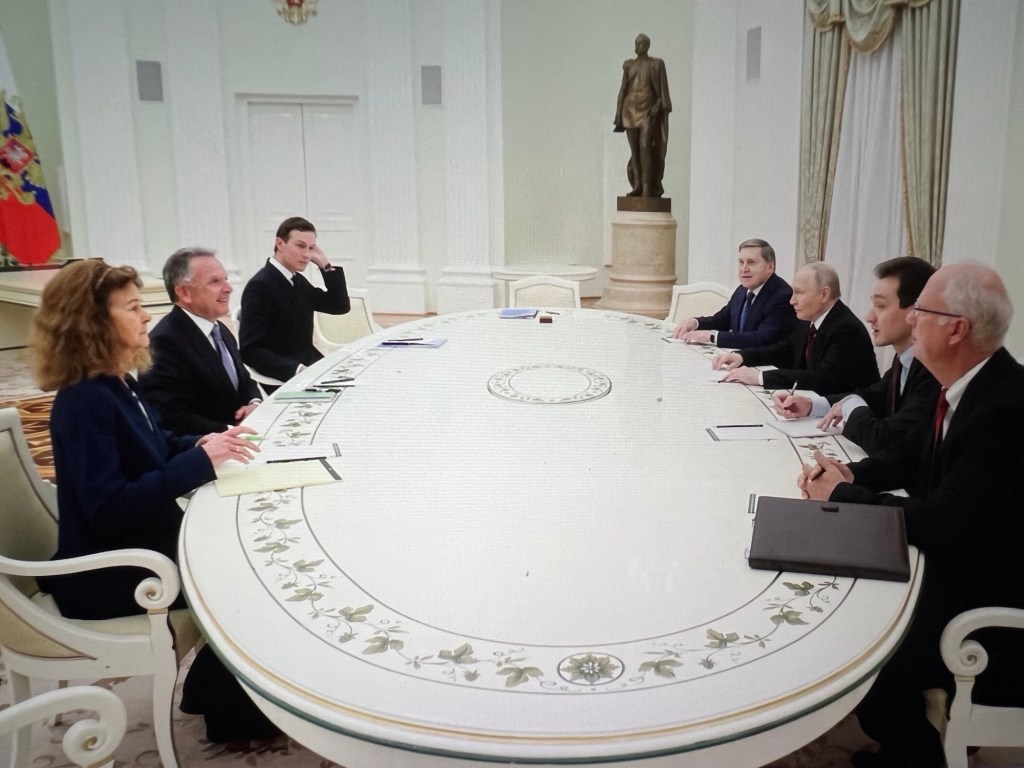
And if the U.S. negotiators believe they can defeat him with sanctions, or wear him down with their amateurish attempts at “diplomacy,” they are living in a dream world. Putin knows that Ukraine and its allies are growing weary and want to end this war as quickly as possible. He will never agree to a treaty unless it is in his favor.
And even then, it won’t be worth the paper it is written on.
Just sayin’ . . .
Brendochka
12/6/25
 The Blog About Everything … and Sometimes Nothing