So there I was, on the first day of school in a new city, a new part of the country, and no clue as to where I was supposed to catch the school bus. There were no websites to instruct us in those days, and my mother’s attempts to reach the school board had failed because they were closed until the actual opening day of classes.
That morning, with my only information being the street corner where the bus stop was supposed to be located, I headed out on my own as my mother and sister left for work. It was just a couple of blocks from our apartment, and as I neared the intersection, I saw two groups of school kids, one decidedly younger than the other.

Approaching the older group, I asked two girls standing together whether I was in the right place. They said yes, and became my two best friends throughout the next three years. It was just dumb luck.
Let me say here that I hated high school. I did well scholastically, but socially, I bombed. In New Hampshire, the two-year age gap hadn’t made any difference. But these teenagers were more sophisticated than my small-town friends had been, and I never did fit in. I wasn’t teased or bullied; I was just the smart, shy, younger-than-everyone-else girl on the sidelines.
And I was in the Commercial/Business course . . . not the Academic/College course with the cool kids.
That may need a bit of explanation. Back then, high school students had to choose among three curricula: College, Business, or Vocational/Technical. We all had to take the basics — English, History, Math, Science — but with specific additional classes geared toward our likely career paths.
Vocational courses at the time were for the benefit of the scholastically-challenged students, and included Shop for the boys and Home Economics for the girls (although there were some girls in Shop and vice-versa, but not much was said about that in those days).
I had made my choice — enrolling in Commercial courses — because of our family situation. My sister Merna had had to leave college and give up her dream of becoming a teacher when our parents separated. We three women were living on their two salaries: my mother’s as a bookkeeper, and Merna’s as a secretary. And I had reasoned that I was going to have to join the wage-earners after high school, so I made the decision — ultimately both good and bad — to prepare for a job. I needed to learn to type and take shorthand.

I know . . . I know. In today’s cyber world, where three-year-olds are computer literate as if by magic, that sounds strange. But back then, those were highly marketable abilities. And it turned out that I was good at both, winning awards in my senior year.
But after three years of honing my skills, I was still just 16 years old, and looked all of 14. Who was going to hire me? So I made a deal with my mother.
We were doing all right financially, thanks to her ability to squeeze six cents out of every nickel, and she offered to send me to our state school — the University of Maryland — but with some conditions. First, she could only afford tuition, but not board, so I would have to live at home and find a way to commute, as we didn’t have a car. Second, I was still somewhat shy, and UMD was a huge, rather overwhelming campus, where I felt I would have been lost in the crowd.
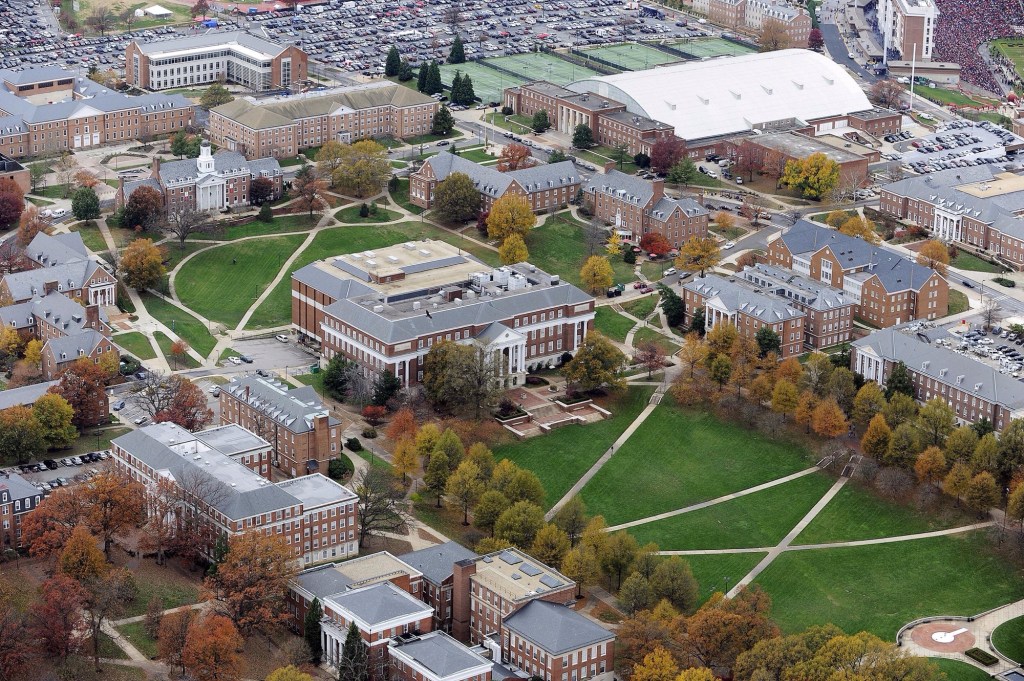
And third — and most important — was the fact that I would still be living, and going to college, partially off of my sister’s wages . . . the sister who had sacrificed her own education to help support us. I couldn’t do it.
So the deal was that I would look for a job, and if I didn’t find one within a few weeks, I would apply to UMD.
I would have considered going to work for the government, but I was still too young to take the Civil Service exam. So a friend of my mother’s referred me to a lady who ran an employment agency in D.C., and she sent me out on my very first job interview with one caution: She had told them I was 17, not 16.
Lying was so much easier in the days before computerization of all our personal data.
Unbelievably, three days after graduation I was hired as secretary to a junior partner in a small but prominent Washington, D.C., law firm. They were desperate for qualified help, so they took a chance on me. I stayed there for seven years. And after three years, on my 19th birthday, I finally told them the truth and we all had a good laugh.

And that was my next step in the lifelong process of character-building. That job — working with professionals, learning to love the law, learning to curse, learning to drink — and most importantly, learning to love learning for its own sake — turned a shy 16-year-old into a gutsy, self-confident, outspoken adult.
But was the decision to forego the four-year college experience a mistake?
Well . . . yes and no.
To be continued . . .

Just sayin’ . . .
Brendochka
11/18/25
 The Blog About Everything … and Sometimes Nothing