It’s lovely for our children to believe in fairy tale princes and princesses, and happily-ever-afters. But, along with magic genies and dolls that become sentient at midnight, we soon learn that — alas! — they are not real.

And that reality was again pointed out to us this week when Andrew Mountbatten Windsor ceased to be known as Prince Andrew. He is, of course, still the brother of King Charles, but he has been stripped of his title and all other perks of British royalty as a result of his connection with the continuing scandal surrounding the late Jeffrey Epstein.
That mess has been covered ad nauseam in the press and on social media, and won’t be discussed here. But the fate of Andrew as the result of his long-ago friendship with a subsequently-convicted sex offender is in itself a sad tale — not only for Andrew, but for his family, who have had to make the excruciating choice between family loyalty and service to the Crown.
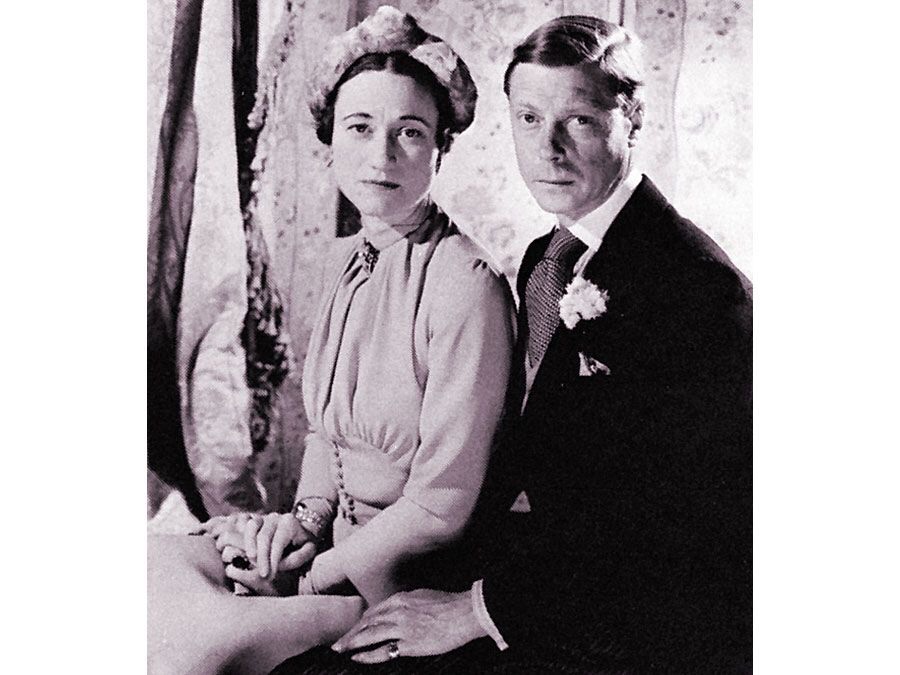
Charles is not the first British monarch to have been placed in this position. His great-uncle, King Edward VIII, was forced to choose between his position and the love of his life, the American socialite Wallis Simpson, who — as a foreigner and a divorcee — was considered unsuitable marriage material. As a result, Edward chose to abdicate the throne, leaving his unprepared (but ultimately capable) brother, George VI, to step into his shoes.
George VI was, of course, the father of the late Queen Elizabeth II, who dealt with many an errant family member throughout her long reign: a sister (Margaret) who would not be tamed; the scandalous affair of son Charles and Camilla Parker-Bowles (now Queen Camilla); and the acrimonious divorce of Charles from his first wife, Diana, and her subsequent tragic death.
And, of course, Andrew.
Charles himself has found himself caught up in the battle between his only two sons, William (heir to the throne) and Harry (married to a divorced, mixed-race American — that’s three strikes against her — and living in California).

Being a member of the British royal family is not a bed of roses. As an American, I am gobsmacked by the rules, regulations, traditions, laws, Church of England restrictions, and other minutiae that govern their every move and every word. And while I think that honoring tradition is lovely, and even necessary to preserve one’s history, I am also a firm believer in the necessity of adapting to societal changes over time.
But what do I know? As I said, I’m an American, where we do not have kings and queens. In fact, our country was founded by people escaping monarchal rule.
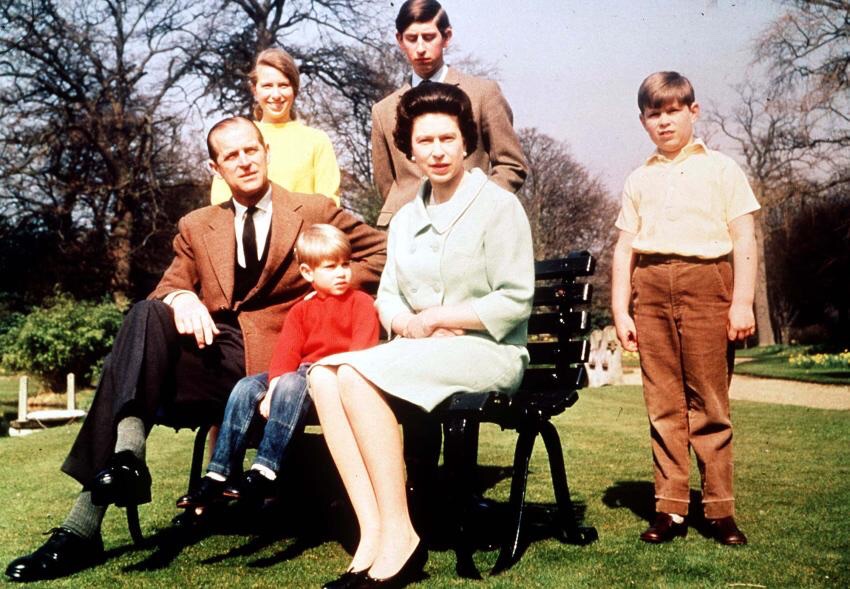
So I find it difficult to understand how a ruler, such as Charles, can make a decision that requires him to choose between his brother and the good of the Crown. Regardless of what Andrew may or may not have done years ago, he is still Charles’ (and Anne’s and Andrew’s) brother. This situation must be agonizing for all of them.
I had only one sister and no brothers. She and I fought, as sisters do, for half of our lives; but we always made up. And even when we were angry at one another, if a third person dared to criticize or threaten one of us, the other one jumped in to defend and protect. We both lived fairly principled lives; but we were hardly perfect. I ask myself now how I would have reacted if she had become embroiled in anything as abominable as the Epstein affair, and my answer is simple: I would have been greatly displeased, to say the least; but I would never have disowned or deserted her, not even to save my own reputation. And, were she alive today, I know that she would say the same about me.
I do not criticize King Charles for his decision; I’m sure that it was one of the most difficult ones he has ever had to make. But I feel saddened that he was forced to make it.

Just sayin’ . . .
Brendochka
10/30/25
 The Blog About Everything … and Sometimes Nothing