My blog site sends its members a daily question or challenge, which can range from naming your favorite author to asking what you would do if you had a million dollars to spare. They’re always fun, usually thought-provoking, and often give rise to serious introspection.

Yesterday’s question, though, was simply one that required me to search my memory:
“What major historical events do you remember?”
Well, for someone who has lived as long as I have, that can be a long list: the Korean War, the Cold War, the Vietnam War, the Kennedy assassination, 9/11 . . . a plethora of mostly horrific events. But there were also some good ones: the collapse of the Berlin Wall, the breakup of the Soviet Union, and the end of “Keeping Up With the Kardashians,” for example.
But coincidentally, History.com also reminded me yesterday of an event that occurred 63 years ago that I remember in excruciating detail: the announcement by then President John F. Kennedy of the discovery of Soviet missile bases in Cuba, ushering in a week in hell that felt like a year and became known as the Cuban Missile Crisis.
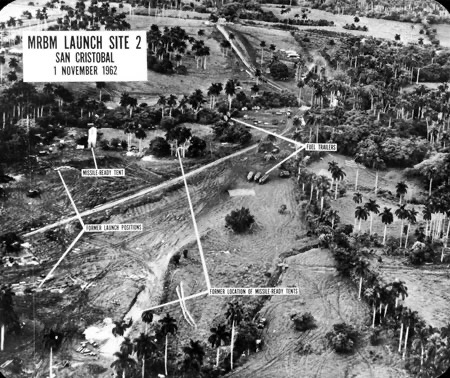
On October 22, 1962, I was living in Washington, D.C. — ground zero for any first strike by the “main enemy”: the Soviet Union. And on October 14th, U.S. spy planes had spotted missile sites under construction and nearing completion on an island less than 100 miles from Florida, and within easy striking distance of the nation’s capital. But it wasn’t announced to the public until the 22nd.
For the next six days, the world held its breath while President Kennedy stood toe-to-toe with Soviet Premier Nikita Khrushchev, first setting up a “quarantine” (in reality a blockade) of Cuba to prevent more Soviet ships from transporting additional weapons to the island, and demanding that the bases be dismantled and the existing missiles removed.
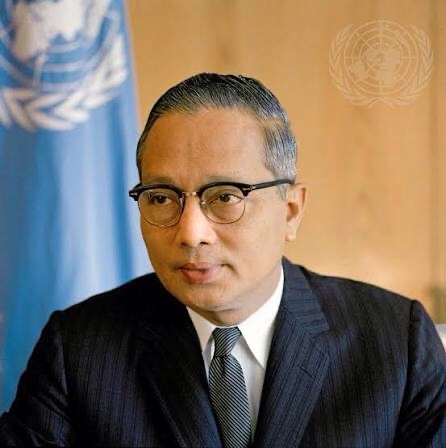
As U.S. military forces went to DEFCON 2 — the highest military alert ever declared in the postwar era — U.N. Secretary General U Thant sent private messages to Kennedy and Khrushchev, urging them to “refrain from any action that may aggravate the situation and bring with it the risk of war.” [“This Day In History, History.com, October 22, 2025.]
Then Khrushchev called for the U.S. to dismantle its missile bases in Turkey (now Turkiye).
In order to bring the world back from the brink of a nuclear holocaust, Kennedy and his advisers ultimately agreed to that demand in exchange for Khrushchev’s doing the same in Cuba.
In the end, cooler heads prevailed, all-out war was prevented, and people around the world slept peacefully for the first time in a week. Wisdom had won out over politics, hostility, spite, greed and ego.
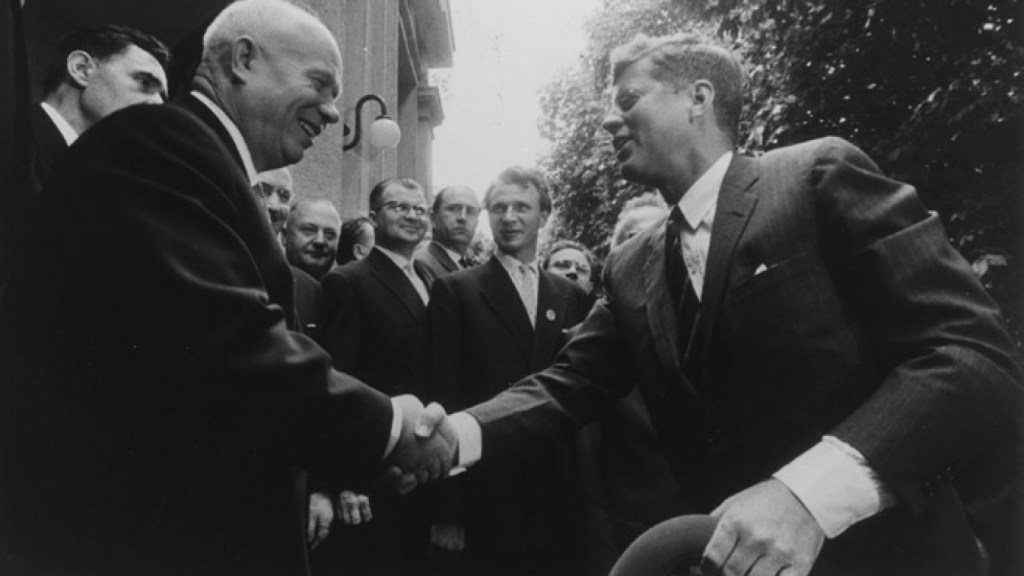
Those were the years when statesmen governed the United States: John Kennedy, Secretary of State Dean Rusk, and Secretary of Defense Robert McNamara. They weren’t safer times, and people were no more perfect than they are today. The difference was that the decision-makers were possessed of intellect and patriotism. They loved their country; they knew what was best for it; and they did their utmost to ensure its survival.
And we are all here today because of them.

Just sayin’ . . .
Brendochka
10/23/25
 The Blog About Everything … and Sometimes Nothing