When we think of the Great Depression of 1929-39, we think of the causes — the stock market crash, the run on banks, the gold standard, and the retaliatory tariffs engendered by the U.S. Smoot-Hawley Act. And we think of the effects on the general population — massive unemployment, lost investments and savings, bread lines, an epidemic of suicides.
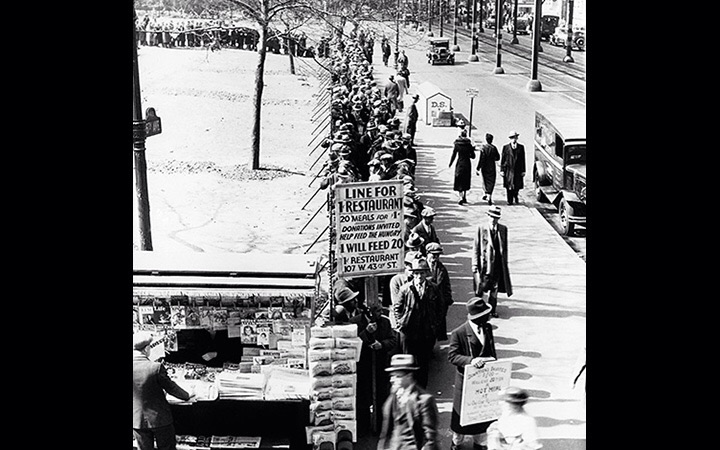
But how often do we think of what finally brought us out of that decade of decline and despair? It started with President Franklin Delano Roosevelt’s “New Deal,” of course: a jobs program that got Americans back to work building a bigger and stronger infrastructure for the country, stabilizing the economy, and benefiting everyone individually and collectively. But it wasn’t enough by itself.
What ultimately brought an end to one calamity was the start of yet another one: World War II.
America’s entry into the war after the Japanese attack on Pearl Harbor on December 7, 1941, created an urgent, immediate need for increased production of war materials. Existing factories were retooled and new factories built to produce tanks, airplanes and rifles instead of cars, refrigerators and bicycles — thus creating countless new jobs.
Military conscription was enacted and volunteerism escalated, putting millions of draft-age men to work fighting for freedom. The vacuum thus created in the civilian work force was filled by women and by men who were too old or physically ineligible to go to war.
The country was operating on a wartime economy, which not only ended the depression, but brought about the great economic boom of the late 1940s and forward into the ‘50s and beyond.

*. *. *
Is it surprising, then, that Russia — despite the punishing sanctions that have been levied against it by the U.S. and numerous other countries — has managed to survive the last three and a half years since its invasion of Ukraine?
The circumstances are different, of course. Before the invasion, Russia was not in an economic depression. It didn’t need to be dragged out of a slump; it simply needed to keep from plunging into one. So it seemed that the best way to punish Vladimir Putin’s actions against Ukraine would be to strike at his country’s economy, first by hitting it with disabling sanctions, and then by imposing tariffs against countries that continued to trade with it.
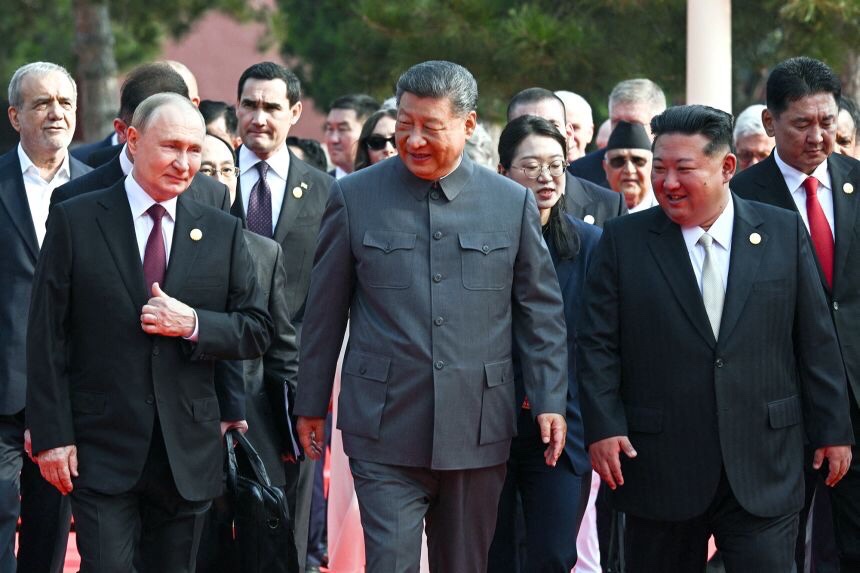
Thus far, that hasn’t turned out to be as crippling to Russia’s economy as intended. Countries like China, North Korea, India and Iran continue to purchase Russia’s seemingly endless supply of oil and gas, and to offer military assistance . . . weaponry as well as personnel.
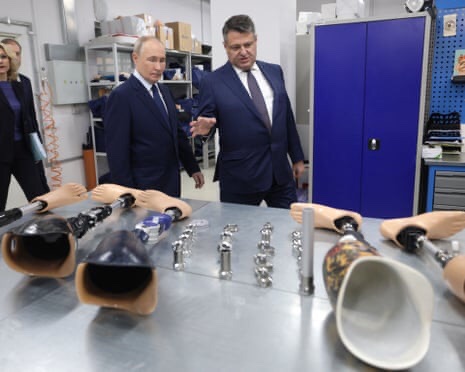
And — like the U.S. during World War II — Russia has been operating on a wartime economy, giving birth to new industries out of necessity. Case in point: prosthetics.
State Secretary for the Ministry of Defense Anna Tsivlyova, in a rare discussion of the casualties caused by the “special military operation” in Ukraine, told the Eastern Economic Forum in Vladivostok that Russia has achieved “huge breakthroughs” in prosthetic development because of the war:
“The participants of the special military operation have become, so to speak, the drivers of the development in this sphere, and we’re accumulating experience on a global scale.” [Matthew Loh, Business Insider, September 5, 2025.]
Tsivlyova added:
“Today, the participants of the special military operation allowed us to reach a priority, flagship level. Because what our state does is much higher than the standards adopted elsewhere. We are leaders here. It’s not China, it’s not anywhere in Europe. There is huge investment, huge amounts of money, huge opportunities that opened.” [Id.]
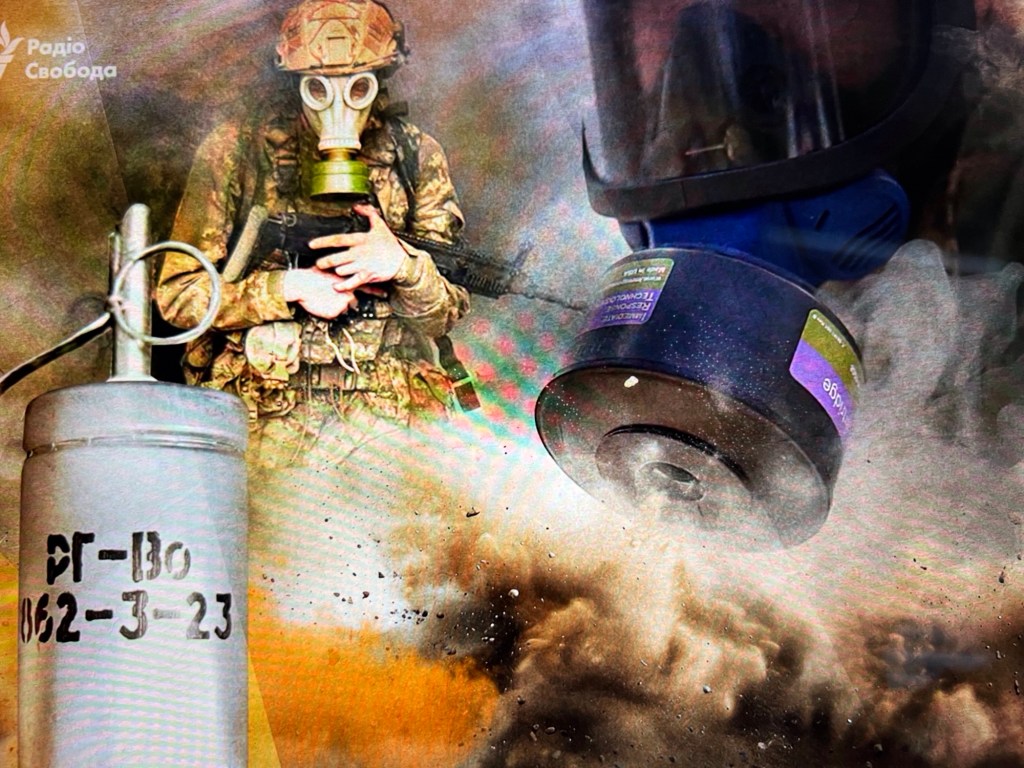
Another example can be found in a monastery town outside of Moscow at the Scientific Research Institute for Applied Chemistry (NIIPH). Though its website advertises such products as fireworks and sparklers, it has been mass-producing RG-Vo grenades — a toxic gas grenade — for use in Ukraine.
While prohibited from use in warfare under the Chemical Weapons Convention — to which Russia is a party — they have been circumventing sanctions against the Institute by manufacturing the banned weapons with raw materials from unsanctioned companies, and ingredients such as red phosphorus — which can be converted into deadly white phosphorus — from Chinese companies. [Kyrylo Ovsyaniy, et al., RFE/RL, September 6, 2025.]
Thus, Russia has taken the lessons of history and turned them to its advantage, creating and expanding industries to maintain its war against Ukraine . . . the war that it has no intention of bringing to an early end.
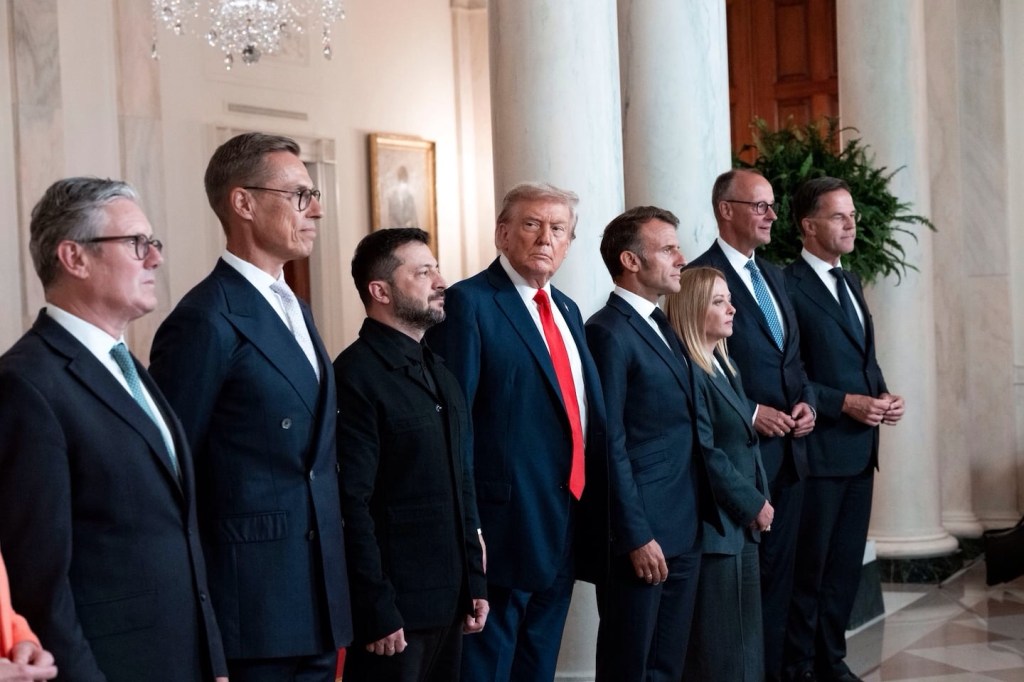
No matter how hard the U.S. and its European allies try.
Just sayin’ . . .
Brendochka
9/8/25
 The Blog About Everything … and Sometimes Nothing