We all do it now and then: start for the laundry room to get the towels from the dryer and pass the kitchen, where we realize we’ve forgotten to empty the clean dishes from the dishwasher. So we stop to take care of that, and remember that we need to defrost the meat for tonight’s dinner, and while rummaging through the freezer for the lamb chops, we spot the half-empty carton of Haagen-Dazs. So we take that out — solely in order to free up some space in the freezer, of course — and polish it off while perusing the catalogs that arrived in yesterday’s mail, which reminds us that we haven’t fetched today’s mail yet. So we head outdoors to the mailbox, noticing along the way that the hedges are in dire need of trimming. But the hedge trimmers are on loan to the neighbor three houses down, and it’s best to retrieve them now while we’re thinking about it and before she leaves to pick up her kids from school, so off we go . . .

You know how this ends, don’t you? A cup of tea and a chat with the neighbor, and suddenly it’s time to start prepping the vegetables for dinner. Heading back home, it hits you that you’ve left the hedge trimmers behind, the mail is still in the mailbox, the hedges are never going to be trimmed, the lamb chops never made it out of the freezer, the dishwasher hasn’t been emptied, and the towels are languishing in the dryer.

“Oh, crap!”
And all of the foregoing is to point out the circuitous route by which I came up with the actual topic for this post.
While researching my earlier article about China’s proposed school in Russian-occupied Luhansk, Ukraine, which some suspect will really be a cover for Chinese intelligence agents, I was reminded of the famous Cold War-era university in Moscow — then known as Patrice Lumumba University (PLU) and now renamed People’s Friendship University — which was widely also believed to be a school for spies.
Oh, not the sort of schools that every country operates to train its intelligence officers, like the FBI Academy at Quantico, Virginia, or the KGB’s Academy of Foreign Intelligence. No, PLU was special.
To begin with, it was — and, from all accounts, still is — a legitimate university. But back in the day, it was also a magnet for students from a number of underdeveloped African nations in which Russia had . . . for lack of a better word . . . a paternalistic interest.
Thinking about PLU and its questionable history, I was next reminded of a wonderful Russian gentleman I had the pleasure of knowing back in the late 1980s and early ‘90s: Professor Viktor Mozolin, who had been a professor of law at PLU years before I met him through the International Law Institute (ILI) in Washington. As I sat reminiscing about the lovely evening when Viktor and his wife Valya hosted me at their apartment in Moscow on one of my visits there, I decided to see what the PLU website had to say about him, and . . .
Nothing. It had been too many years, I suppose. But my search did bring up a rather odd list of 69 names of what I presume to be their most notable alumni. Not surprisingly, 65 of them were completely unfamiliar. But the other four jumped out at me — three because they’re famous, and one because he isn’t . . . although I did know him personally.
And now you’re dying to know who they are . . . right?
*. *. *
First is Anna Chapman (real name Anna Kushchenko), whose Wikipedia listing shows her occupations as “Entrepreneur, television host, and agent of the Russian Federation.” And it is in that last capacity that she became well-known in June 2010 when she was arrested in the United States for spying on behalf of Russia.
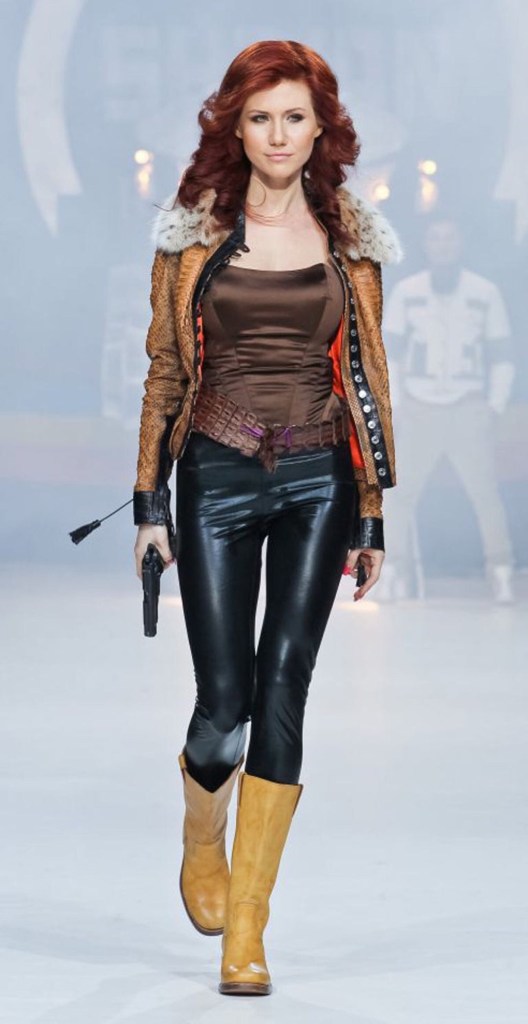
The daughter of a Russian diplomat and reported KGB official, she was included in a major spy swap in July of the same year, whereupon she returned home, became a popular TV personality, a fashion model, and head of a government youth council. Probably not the best role model for young girls; but it helps to know the right people to get you into the job.
*. *. *
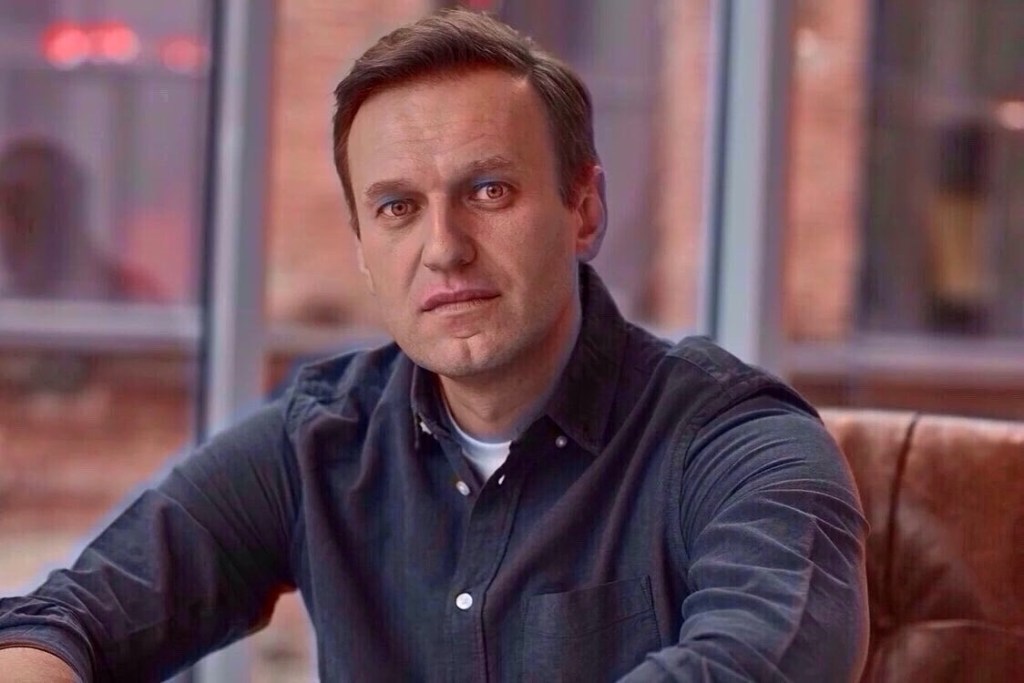
The other surprise name was that of Alexei Navalny, who needs no introduction. The most widely known and revered of all of Putin’s opposition leaders, Navalny was murdered while in a Russian prison camp in February of 2024. His name and his work live on through his Anti-Corruption Foundation, now headed by his widow, Yulia Navalnaya, and a number of his former colleagues. I knew he was a lawyer, but would not have expected him to choose PLU for his education . . . though perhaps he didn’t have a choice.
*. *. *
Now comes the fun part. I knew this man had attended PLU (how I knew will be explained later), but was shocked to see him listed, not by his real name — Ilyich Ramirez Sanchez — but by his infamous adopted moniker: Carlos the Jackal.
The real Carlos:
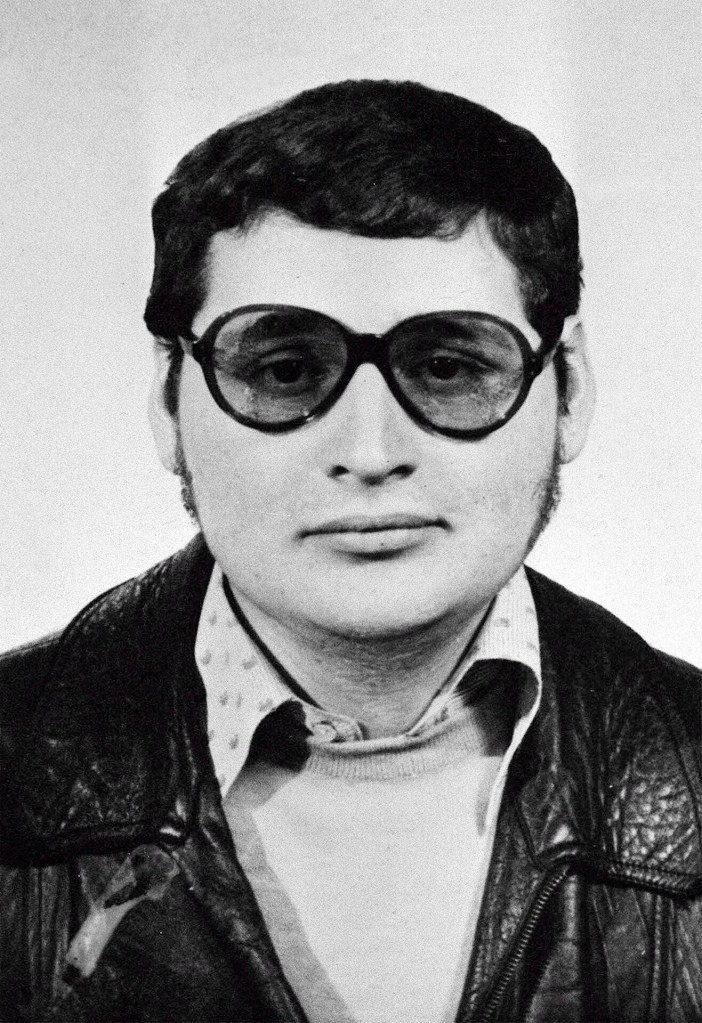
You’ve probably heard of him: a notorious Soviet-trained terrorist in the 1970s and ‘80s, he is the son of a Venezuelan Marxist lawyer who enrolled him in PLU when he was refused admittance to the Sorbonne in France. (I’ll never understand how he made the mental leap from Paris to Moscow, but that’s what his bio says.) His persona and his name have appeared in countless books, movies and TV shows, adding immeasurably to his notoriety. Small comfort, though, as he has been in a French prison since his capture in 1994, serving three consecutive life sentences without possibility of parole.
*. *. *
And last, as well as the least famous, is Yuri Shvets. He is the only one of the four with whom I am — or was — personally acquainted . . . a fact which does me no credit whatsoever. And he’s also the one of whom you are least likely to have heard.
But as this article has already become much longer than intended, and I must in any event hurry off to a doctor’s appointment (just routine), I’m going to have to leave you hanging until tomorrow for the rest (and best) of the story.
I think you’ll find it worth the wait.

Just sayin’ . . .
Brendochka
7/31/25
 The Blog About Everything … and Sometimes Nothing