In yet another indication of the burgeoning relationship between Russia’s Vladimir Putin and China’s Xi Jinping, word has spread in Russian state media of a plan by Chinese activists to open a private school for Chinese citizens . . . in Russian-occupied Luhansk, Ukraine.
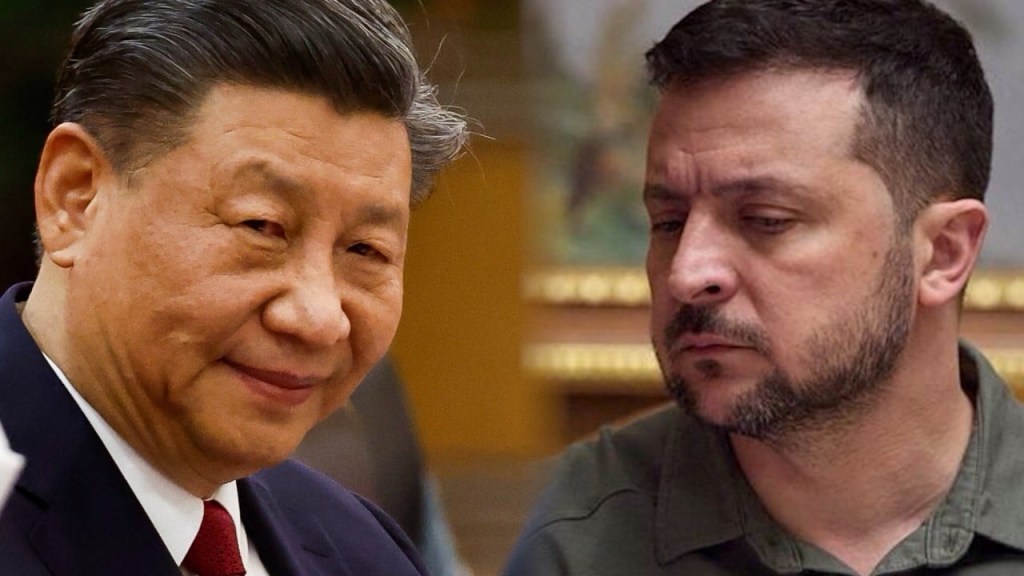
According to a story first released by Russian state outlets and repeated by pro-Kremlin Telegram channels, the school will admit 300 Chinese students, teaching them the Russian language in preparation for eventual enrollment in Russian universities.
It is officially being touted by the Kremlin as a step toward “economic normalization” in Ukraine, reflecting “changes in the geopolitical situation in the world.” [Olha Katsan and Donbas.Realities, RFE/RL, July 27, 2025.]
In other words, justifying Russia’s current, illegal occupation of 20% of Ukrainian territory.
But Ukrainian political analyst Kostyantyn Batozskiy says:
“Consider this: Would Chinese families really risk sending their teenage children into an active war zone for education? This is not about education. It’s about optics, influence, and control. . . . Like their endless talk of rebuilding the ruined Donetsk airport or restoring the town. of Shyrokyne — none of it materializes. It’s about keeping occupied populations distracted with grandiose promises.” [Id.]

But beyond mere distraction, there is concern that other forces may be behind the proposed school. Artur Kharytonov, president of the Liberal Democratic League of Ukraine and an expert on East and Southeast Asia, cautions:
“In China’s totalitarian system, nothing of this scale happens without top-level approval.” [Id.]
Referencing Xi’s recognition of Russian elections and expressions of respect for Russia’s constitution, as well as China’s proven involvement in trade and investment activities in Ukraine, Kharytonov continued:
“Crimean wine makes its debut at Chinese trade fairs. Stolen Ukrainian grain and metals from occupied Donetsk appear on Chinese platforms, such as AliExpress, China’s online retailer. This is reality, not speculation.” [Id.]
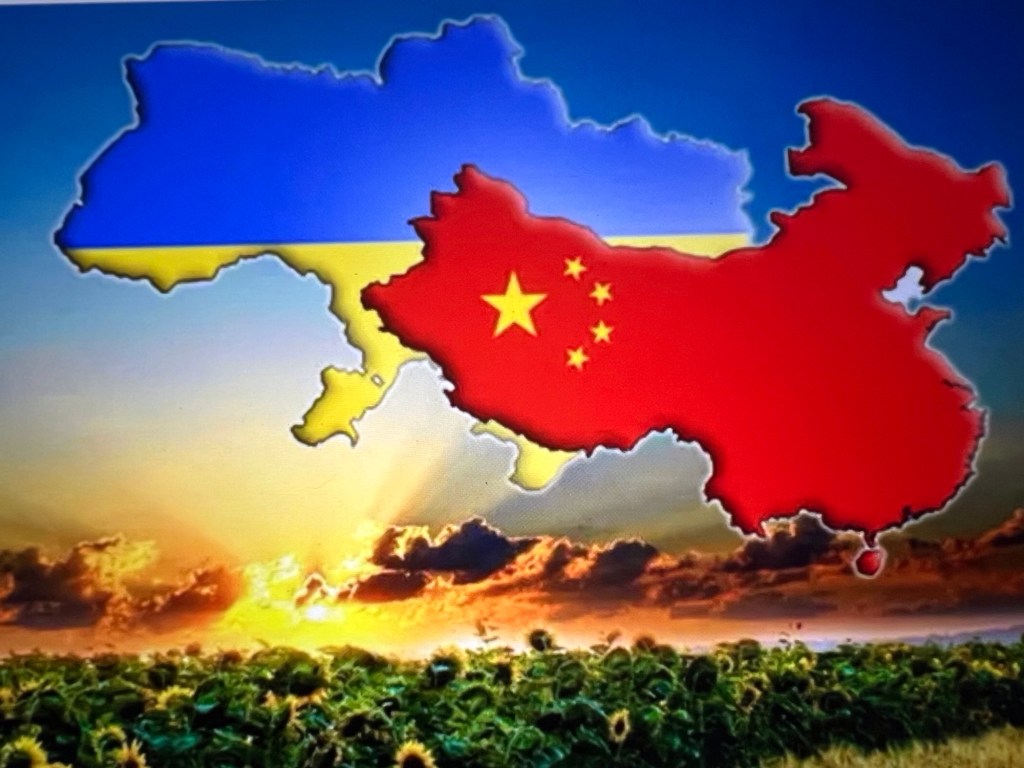
And Yuriy Poita, head of the Asia-Pacific Section at the New Geopolitics Research Network, takes it a step further, saying that he believes the “school” may not be for teenagers at all:
“It’s more plausible that this is a facility to train Chinese engineers, technicians, or workers involved in joint Russian-Chinese projects in occupied territories. Complex equipment requires skilled personnel. You can’t deploy these systems without on-site Chinese experts. Language training for local workers — and vice versa — could easily be packaged as ‘education.’” [Id.]
In view of the existing evidence of Chinese technology and materiel being provided in support of Russia’s war in Ukraine, this makes perfect sense.
And as political analyst Batozskiy said:
“They [the Russians] desperately want to show the world that Ukraine’s occupied region is a de facto part of Russia, attracting foreign citizens for work and study.” [Id.]
Even more concerning, Batozskiy added:
“Chinese specialists brought into Luhansk might be linked to the People’s Liberation Army or Chinese intelligence services. Proximity to the frontlines gives them unparalleled access to battlefield data and Ukrainian infrastructure.” [Id.]
Bingo!
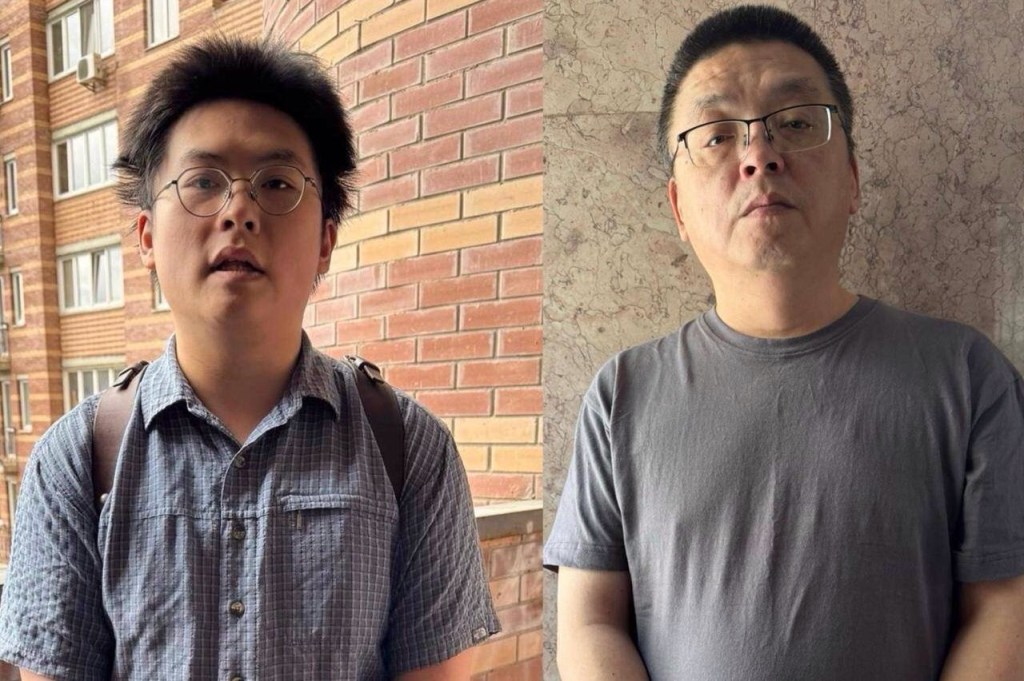
Just days ago, two Chinese men — a 24-year-old student and his father — were reported to have been arrested by Ukrainian intelligence for attempting to obtain classified information about the Neptune missile program. [RFE/RL, July 25, 2025.] And there were earlier reports of North Korean officers entering the Russian-occupied region of Donetsk disguised as students, revealed when several were killed and others captured by Ukrainian forces. [RFE/RL, July 27, 2025, op.cit.]
But what do the pragmatic Chinese gain from such an arrangement? According to Kharytonov:
“China ideologically supports Russia’s war. It will buy anything from these territories — grain, metals, whatever — because it’s cheap and politically useful. . . . Nothing in China happens by accident. Even a modest presence — engineers, trainers, or ‘students’ — could serve multiple purposes: economic, political, and military.” [Id.]
*. *. *
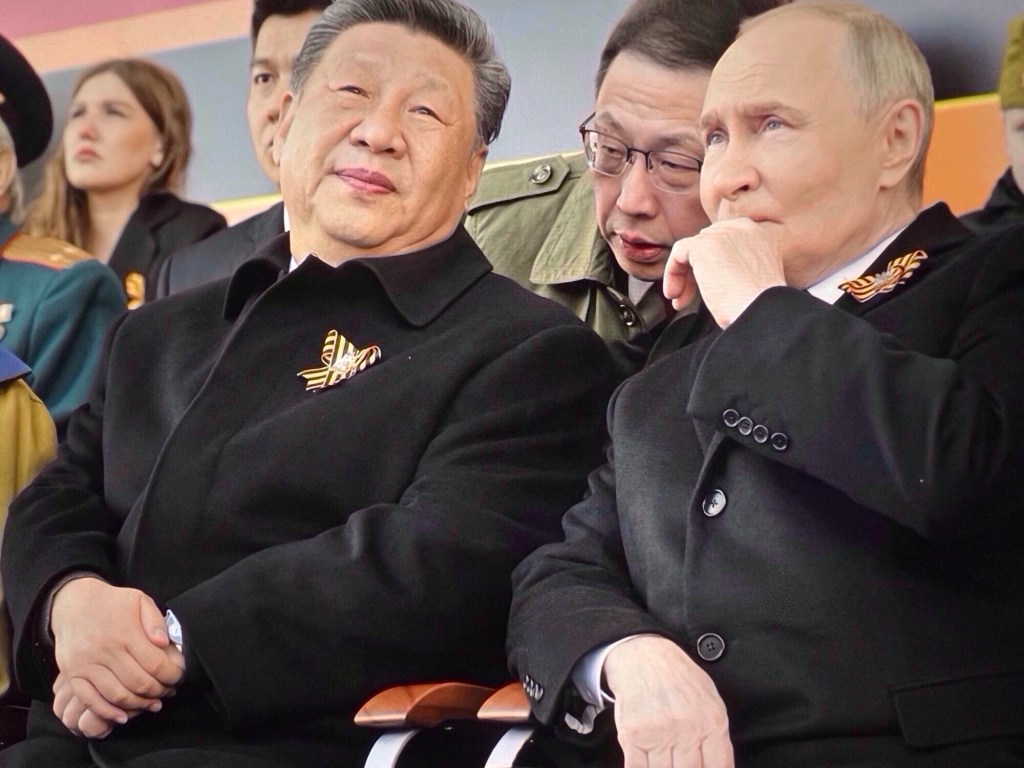
Despite their sometimes competing separate interests, Russia and China are natural allies, bound by a shared political ideology and a mutual goal of displacing Western economic dominance with their own “new world order.” Nothing — not even the seemingly smallest of clues — can be overlooked in dealing with this pair.
Just sayin’ . . .
Brendochka
7/31/25
 The Blog About Everything … and Sometimes Nothing