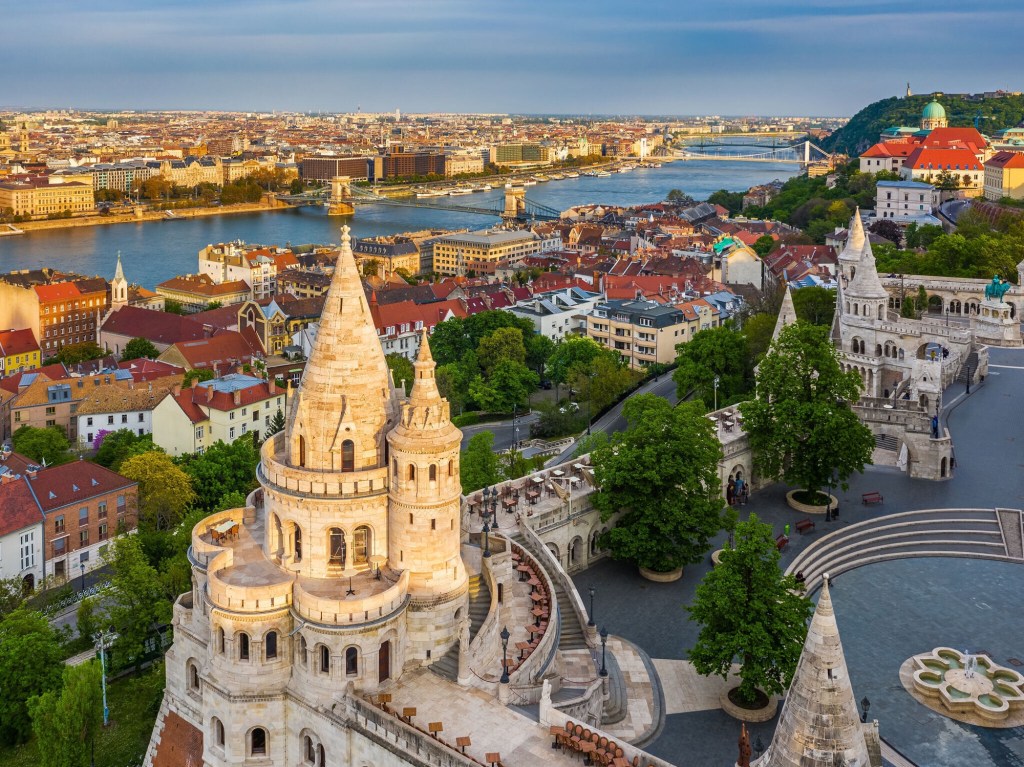
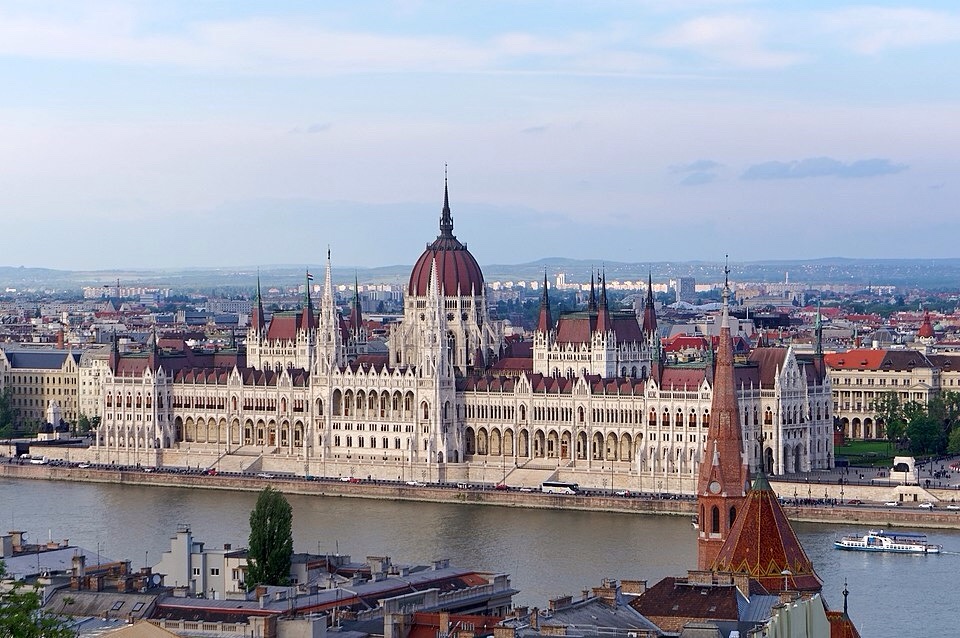
The memories I have of my one visit to Hungary, in the fall of 1990, are all positive: the architectural wonders of Budapest, the boat trip along the beautiful Duna (Danube) River to the artists’ village of Szentendre, the lights on the Lanchid (Chain Bridge) that were turned off precisely at midnight each night, a private tour of the magnificent Parliament building, the outstanding cuisine, the beautiful and friendly people, and so much more, all combined to make the week a magical one.
We — a small group from our Washington law firm — were there as co-sponsors of a conference on doing business in Eastern Europe and the Soviet Union. Less than a year earlier — on November 9, 1989 — the Berlin Wall had been breached, and one by one, the satellite nations of the Soviet Bloc were finding their way toward independence and democracy. We were there to help.
The spirit of the Hungarian people seemed to permeate the very air. Their 1956 uprising had been quashed by the Soviet forces; but this time was different. This time they would remain free.
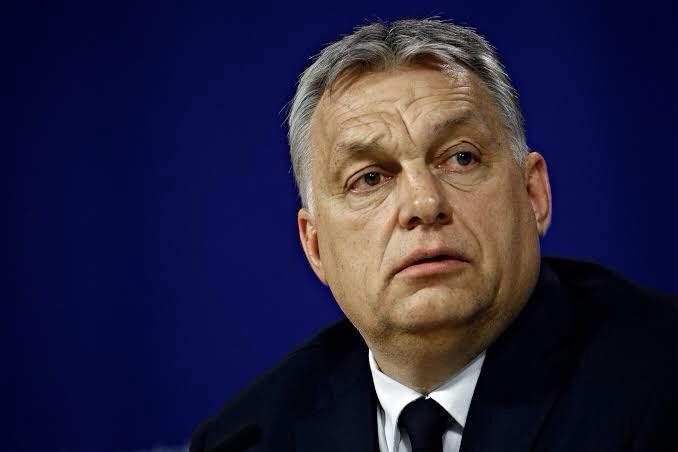
And so they have, for 35 years. But since the emergence of Viktor Orban on the political scene, things have begun to change. Head of the Russia-friendly, right-wing Fidesz Party since 2003, and Prime Minister of Hungary since 2010, he has instituted an authoritarian rule that is disturbingly reminiscent of the “bad old days.”
One of his recent laws prohibits the “exposure of young people to non-heterosexual lifestyles” . . . a euphemistic way of placing a jackbooted foot on the neck of the LGBTQ community of Hungary. Despite popular protests, as well as condemnation from the EU and human rights groups, he forbade a march scheduled for June 28th.
But the people came anyway. Budapest’s Mayor, Gergely Karacsony — an opponent of Orban — declared it a municipal event, thus exempting it from the requirement for police approval. The organizer of the Pride parade, Viktoria Radvanyi, estimated the crowd size at 180,000 to 200,000 people, despite a record-setting heat wave. To avoid confrontations with an anticipated counter-demonstration by right-wing groups, the parade route was changed, and the march was on. [RFE/RL, June 28, 2025.]

Radvanyi said, “We’re not just standing up for ourselves … If this law isn’t overturned, Eastern Europe could face a wave of similar measures.” [Id.]
And one of the marchers told RFE/RL, “We need to stay together. In Europe, we see fascism … The Orban ban is not legal.” [Id.]
Peter Magyar is a leading oppositionist whose popularity makes him a major threat to Orban in the 2026 parliamentary elections. He wrote of the event on social media:
“I call on our police officers to protect all Hungarian citizens.

“The goal of the failed leadership is to turn Hungarians against Hungarians, to create fear and divide us.

“I ask everyone not to give in to any provocation. If anyone is injured or hurt in Budapest today, Viktor Orban alone will be responsible.“ [Id.]
According to Orban, participants in the march would be subject to “legal consequences” — most likely a fine of up to $580 — while organizers could be imprisoned for a year. It was also suggested that authorities might use facial recognition technology to identify the individuals.
But Mayor Karacsony said that there would be no reprisals. He insisted that the job of the police “is a serious one: to ensure the safety of Hungarian and European citizens attending the event” . . . to which the Hungarian Justice Minister, Bence Tuzso, responded with a threat of a one-year prison term for Karacsony’s part in organizing the event.
And so it goes in Hungary. As in much of the world today, threats of a resurgence of authoritarianism — even fascism — are on the rise. But the spirit that I saw in 1990 Hungary lives on.
And we might do well to take a lesson from their experience.

Just sayin’ . . .
Brendochka
7/1/25
 The Blog About Everything … and Sometimes Nothing