On July 1, 1947, an article entitled “The Sources of Soviet Conduct” was published in the July edition of Foreign Affairs. Its author was identified only as “Mr. X” . . . in reality, his name was George F. Kennan.

Kennan, an historian and diplomat, had been serving as the U.S. charge d’affaires in post-war Moscow in February 1946, when he wrote what became famously known as his “long telegram” to the Department of State. That telegram, defining his analysis of the Russian government’s expansionist goals, later became the basis of the published article. The “Mr. X” nom de plume was used to avoid any inference that his opinion might constitute official U.S. government policy.
The Soviet Union had been our ally in World War II; without their involvement, that conflagration might have dragged on indefinitely, and ended quite differently. But once Hitler was defeated, Josef Stalin reverted to type, and a new battle began: the battle of the West against Soviet communism . . . memorably inspiring Winston Churchill’s famous “iron curtain” speech on March 5, 1946.
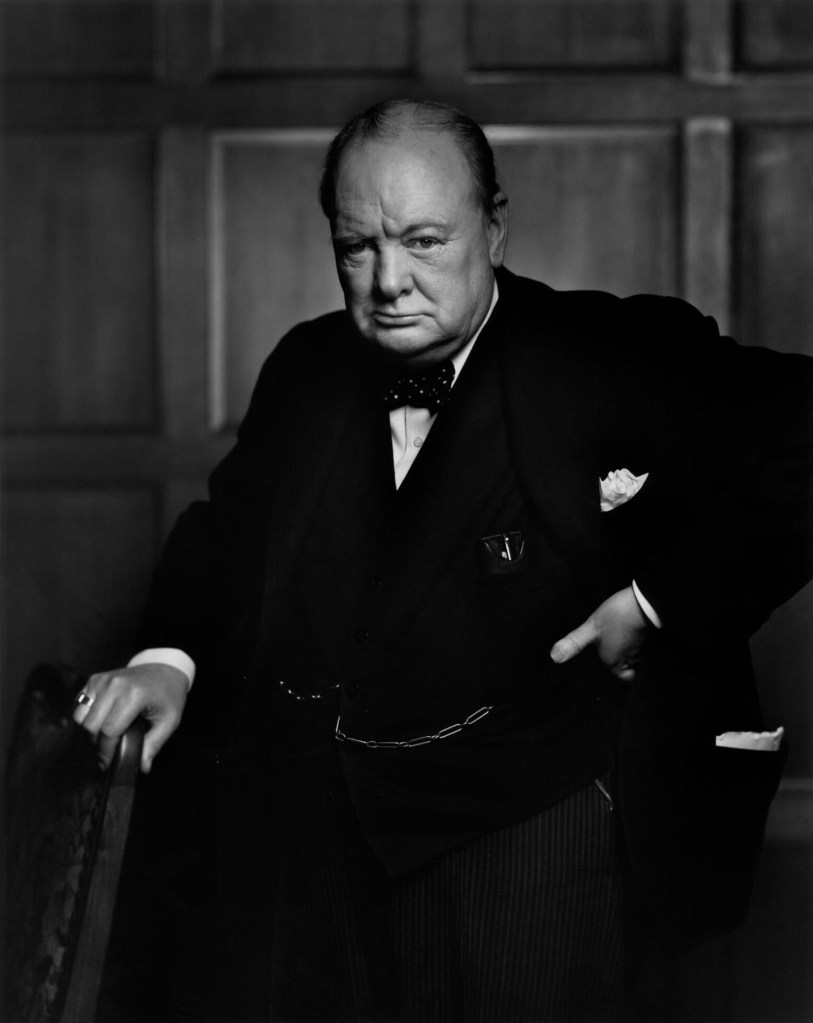
Churchill and Kennan were obviously in sync in their analyses of Stalin’s aims. What Kennan wrote to the State Department in February of that year — and later published in Foreign Affairs the following year — is notable for its prescience, and deserves our attention today.
Kennan explained that the Soviet leaders were determined to spread their communist doctrine throughout the world, but were also extremely patient and pragmatic in pursuing their goals. He said that, in the “face of superior force,” the Russians would retreat and wait for a more propitious moment. But the West should not be lulled into complacency, as Soviet foreign policy “is a fluid stream which moves constantly, wherever it is permitted to move, toward a given goal.” [“This Day in History,” History.com, July 1, 2025.]
He advised the following in regard to U.S. foreign policy:
“The main element of any United States policy toward the Soviet Union must be that of a long-term, patient but firm and vigilant containment of Russian expansive tendencies.” [Id.]
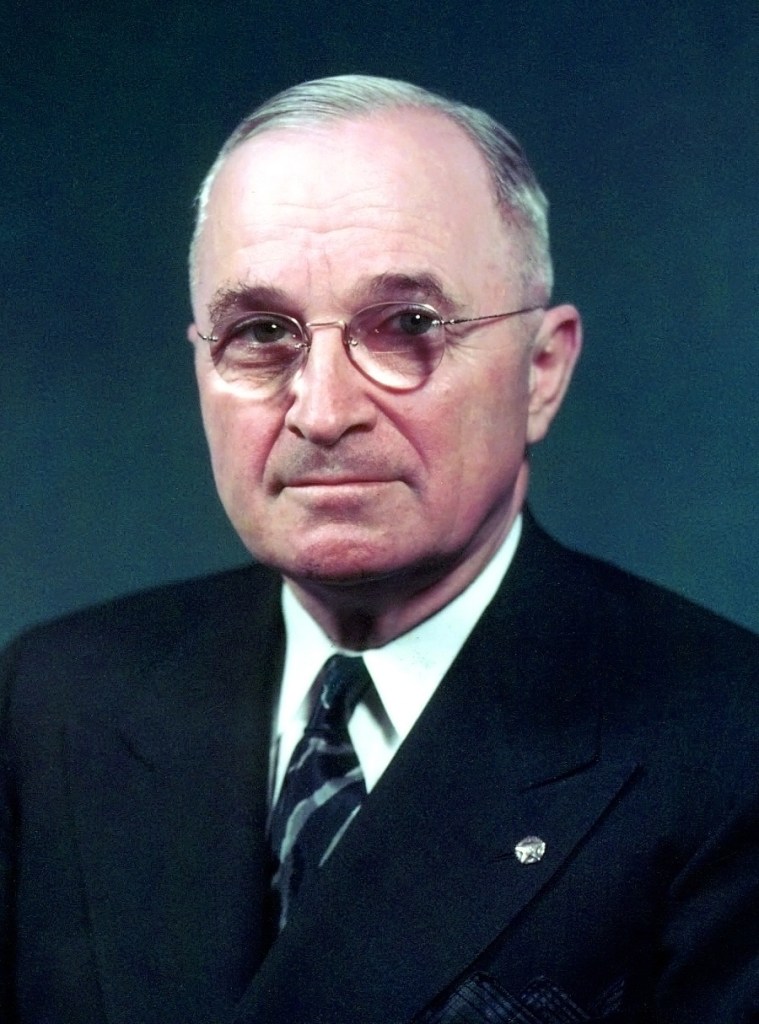
Just as Churchill’s “iron curtain” found its way into the lexicon of the Cold War, so did Kennan’s “containment.” President Harry S. Truman agreed, and in the years that followed, the policy of containment became a principal focus of the U.S. and allied governments, leading to the establishment of NATO in 1949.
*. *. *
Those were years when the world was blessed with a generation of true statesmen . . . knowledgeable, dedicated people who recalled the lessons of history, understood the delicate balancing act of diplomacy, and genuinely believed in the superiority of a democratic form of government. They were the men and women who formed U.S. and European policy, propelling the Western allies forward through the second half of the 20th century to a prosperity never before known or dreamt of.
They were not oligarchs . . . not self-anointed Neros . . . not would-be emperors ruling over an impoverished, enslaved populace while themselves reveling in lives of corruption and debauchery.
The lessons of 1946 are as pertinent today as they were then. But where are the statesmen qualified to understand and deal with Vladimir Putin as Truman and Churchill dealt with Josef Stalin?
I believe they’re out there: the historians, the scholars, the political scientists, the educators. But perhaps they’re simply too smart to be lured into the abhorrent world of politics. If so, then we are truly doomed to become the victims of our own inaction.

Just sayin’ . . .
Brendochka
7/1/25
 The Blog About Everything … and Sometimes Nothing