So, it turns out that no single individual — not even the almighty Donald Trump — was able to evoke a response from Vladimir Putin beyond a half-hearted offer of a three-day ceasefire that never actually happened. In the end, it took the combined resolve of 30 nations to make a meaningful dent in Putin’s armor.
And even that dent isn’t a guarantee of a cessation of hostilities in Ukraine. But it’s a start.
It began as usual, though, with some well-scripted Kremlin-speak offered by Putin’s spokesman, Dmitry Peskov, in an interview with CNN’s Frederik Pleitgen in Moscow. Following the May 10th meeting in Kyiv of the aptly-named “Coalition of the Willing” — led by Ukrainian President Volodymyr Zelensky, U.K. Prime Minister Keir Starmer, French President Emmanuel Macron, German Chancellor Friedrich Merz, and Polish Prime Minister Donald Tusk — the interview in Moscow went as follows (transcribed from CNN News video, May 10, 2025):
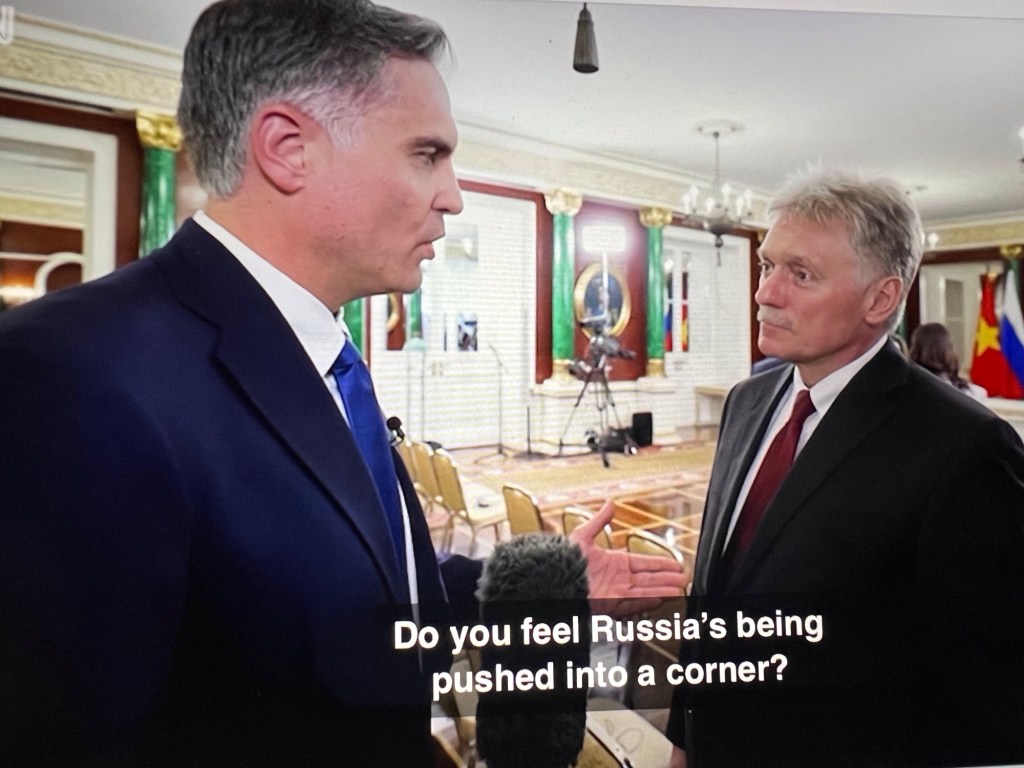
Pleitgen: “In Kyiv they said they are demanding a ceasefire. Do you feel Russia is being pushed into a corner?”
Peskov: “No, I don’t think so. Well, actually a couple of days ago Putin announced a ceasefire for three days. Have you heard any reaction from Kyiv? No. We haven’t heard it either. Have you heard any criticism of Kyiv for not being able to respond or not willing to respond? No. So if Kyiv is willing to have a ceasefire, why not have a ceasefire for at least three days?”
Pleitgen: “They want the three-day ceasefire to essentially go on for 30 days.”
Peskov: “We have to think about that. These are new developments. So we have our own position. Yes, definitely. We see that Europe is confronting us. Europe is actually confronting us very openly. And we are quite accustomed to that.”
Pleitgen: “And do you think that Russia can be pressured in this case?”
Peskov: “Well, if you look during the history — during the old history, during the modern history — you will see that Russia is quite resistant to any kinds of pressure. We are open for dialogue. We are open for attempts to have a settlement in Ukraine. We do appreciate efforts of mediation. We do appreciate, and we are very grateful.”
Pleitgen: “From the Trump administration?”
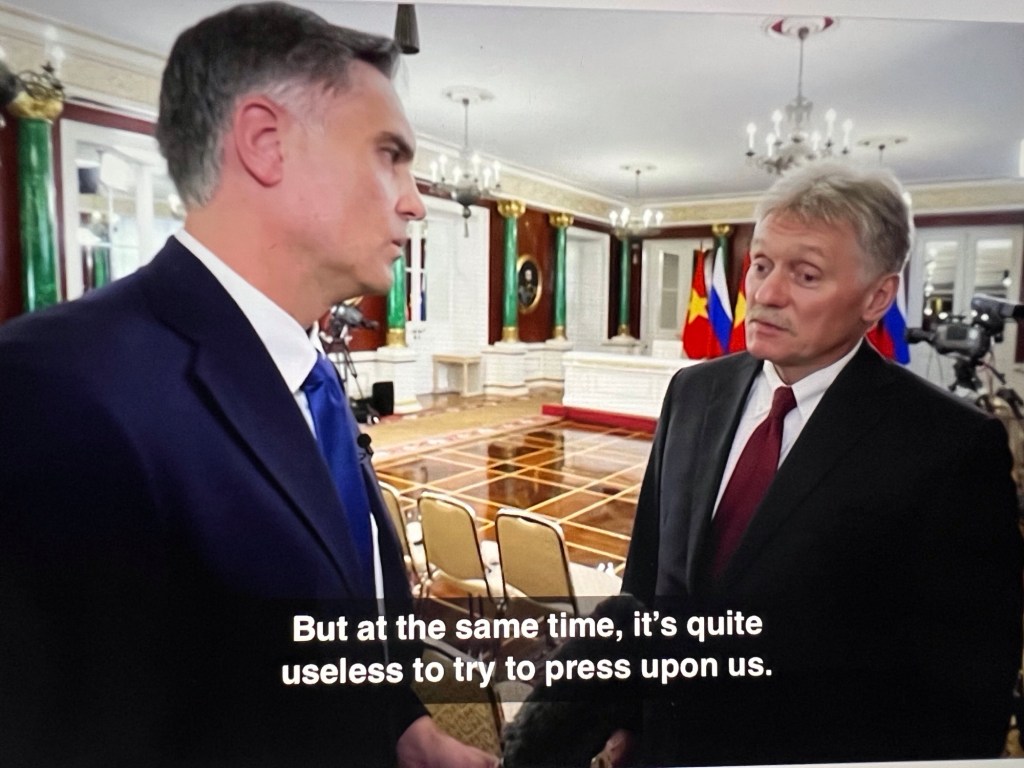
Peskov: “But at the same time, it’s quite useless to try to press upon us.”
*. *. *
But then Putin had some comments of his own to make in an unusual late-night televised address, indicating a more amenable attitude toward direct negotiations:
“We would like to start immediately, already next Thursday, May 15, in Istanbul, where they were held before and where they were interrupted.” [Mariya Knight, CNN, May 10, 2025.]
He emphasized that the talks should be held “without any preconditions,” adding that:
“We are set on serious negotiations with Ukraine . . . [intended to] eliminate the root causes of the conflict . . . [and] reach the establishment of a long-term, durable peace.” [Id.] [Bold emphasis is mine.]
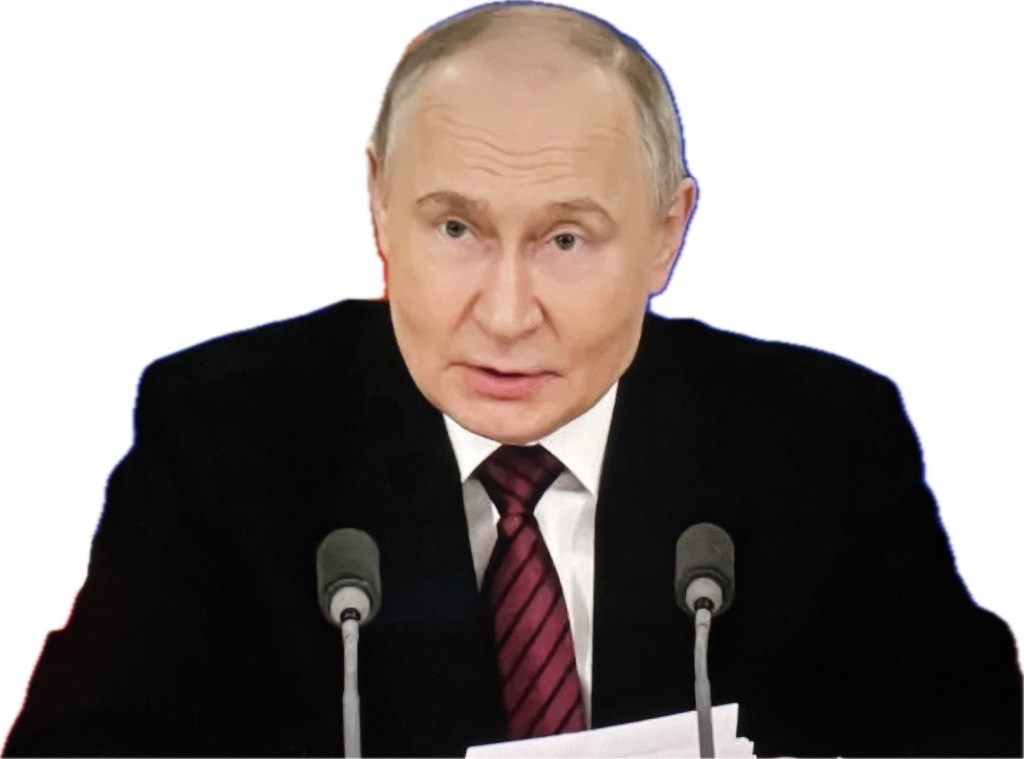
Then on Sunday, Putin denied that Moscow has refused to enter into a dialogue with Kyiv, and said that the “decision now lies with the Ukrainian authorities”:
“We do not exclude that during these talks there will be a possibility to arrange some kind of new truce, a new ceasefire.” [Id.]
*. *. *
But how much stock can we place in Putin’s words? His promises thus far have meant nothing . . . how can we now believe he has truly had a change of heart? Particularly when he speaks of eliminating “the root causes of the conflict.”
Keep in mind what he considers — or claims to consider — the “root cause” of his “special military operation” in Ukraine: i.e., the alleged (and totally fabricated) oppression by Ukraine’s “nazi” government against Russian-speaking Ukrainians in regions he claims as belonging to Russia: Donetsk, Luhansk, Kherson, Zaporizhzhia, and the long-occupied Crimean Peninsula.
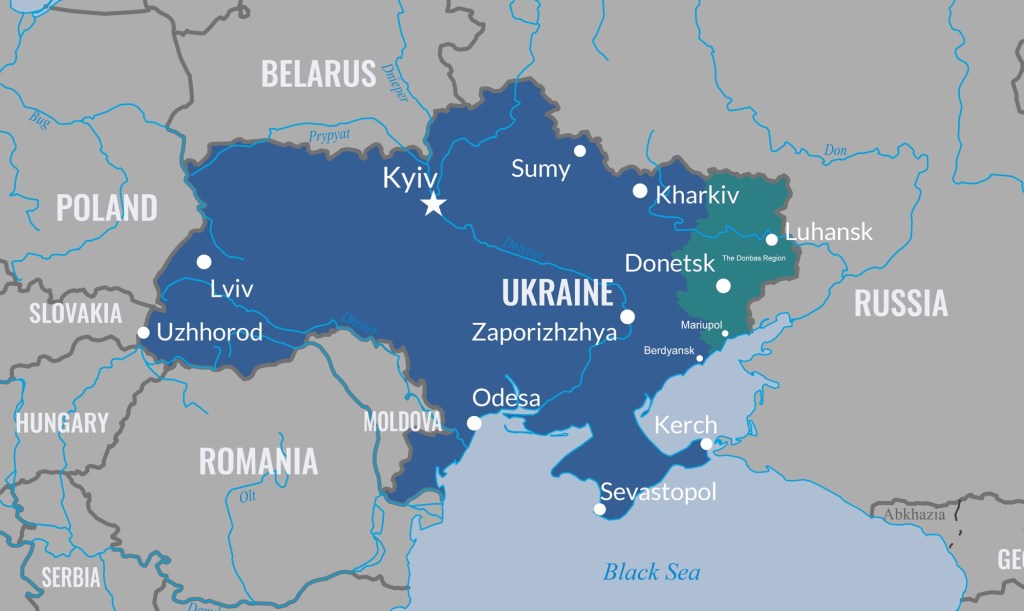
He also faults the West for impinging on Russia’s borders by having admitted former USSR republics and Soviet Bloc countries to NATO and the EU, claiming that their proximity represents an ever-present danger to the security of Russia.
So, if he plans to come to the table in Istanbul with his mind still firmly set on eliminating these so-called “root causes,” then I fear his alleged willingness to negotiate may be nothing more than another delaying tactic, staged to lay the blame . . . yet again . . . on Ukraine and its Western allies.
Still . . . we have to try, don’t we?

Just sayin’ . . .
Brendochka
5/11/25
 The Blog About Everything … and Sometimes Nothing