Not since King John of England signed the Magna Carta in the year 1215 A.D. had there been such a document. But from the time the Constitution of the United States was ratified in 1788, it has stood as the bulwark of democracy and freedom for this country, and as a shining example to the rest of the world of how — despite inevitable differences and imperfections — people can live together as a peaceable and prosperous nation.
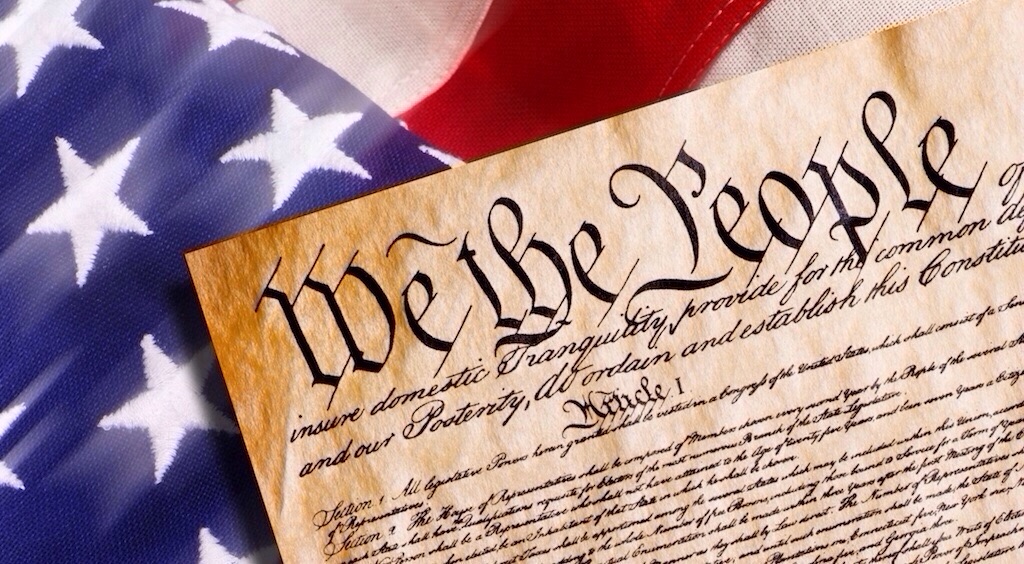
But that is not to say that the framers of the Constitution were infallible. They did foresee the possibility of a future tyrant taking control of the government; and so they provided for three separate branches of government, and carefully set out the responsibilities of each in order to prevent one branch from usurping the powers of either of the other two. But they did not specifically state that this separation was immutable, thus leaving room for flexibility . . . and more than two centuries (thus far) of debate.
And they made two additional mistakes in this regard. They gave a good deal of unspecified power to the President, leading to further debate as to whether the holder of that office is legally permitted to take virtually any action, so long as it is not specifically prohibited by the Constitution. Since a single document could never conceivably predict the character of every future president, that unfortunately left the door open to potential disaster should the American people somehow choose to elect an autocrat to lead the country.
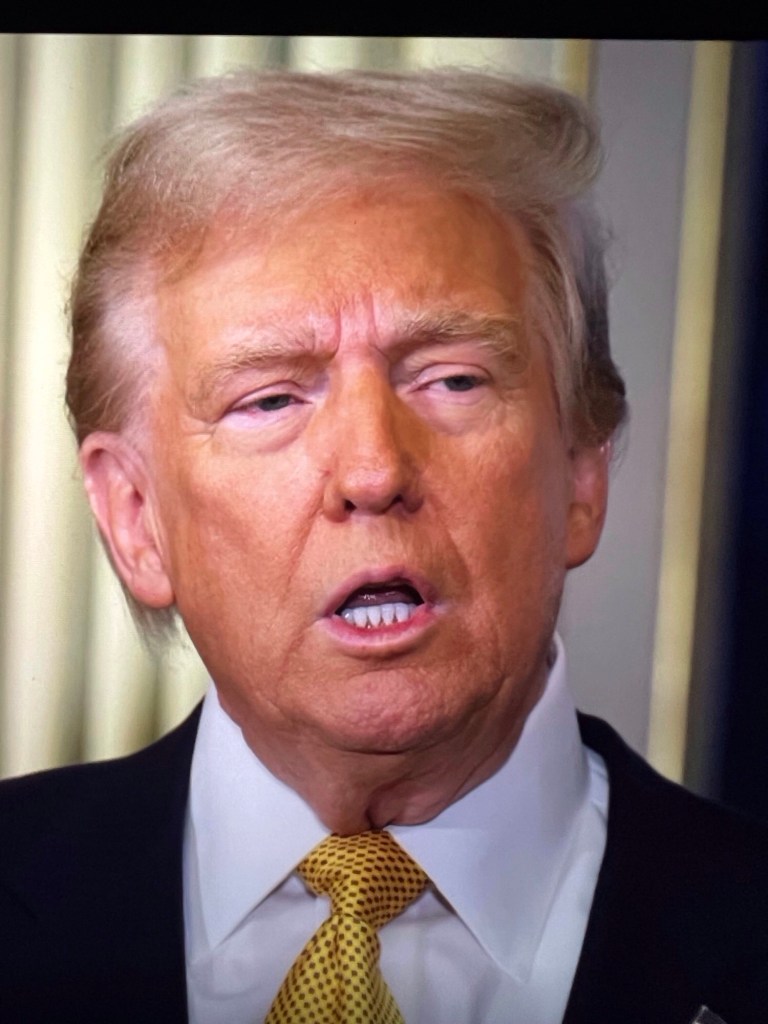
And third, they designated the Vice President of the United States as “President of the Senate.” While having no vote of his own in normal circumstances, he has the power, and the responsibility, to cast the deciding vote in the event of a tie, thus preventing a stalemate. The original intent was honorable; but naming a member of the Executive Branch to that role clearly presents a case in which the Executive is able, at times, to cross that line of separation and exercise control over the Legislative Branch . . . a circumstance destined eventually to lead to trouble.
Which is exactly what has just happened.
Yesterday, the Senate voted on a resolution to block Donald Trump’s onerous global tariffs by revoking his emergency order. Half of the Senate — in a bipartisan move — realized the likely disastrous worldwide effect such tariffs are having, and will continue to have, if Trump is allowed to willy-nilly continue imposing, revoking, reimposing, increasing, suspending, decreasing, and reinvoking tariffs as it suits him from one day to the next.
But since we have two senators from each state, we have a legislative body with an even number of votes (100) and a potential tie at any given time. And despite the heroic effort, the rational half on this occasion was unable to persuade just one more Senator to see the light. There was a tie vote; JD Vance happily stepped in to wield the deciding vote; and . . .

Well, to say it was a foregone conclusion would be a gross understatement. The White House overtook Congress’ mandate, and confirmed its own executive order.
*. *. *
It would take a Constitutional amendment to designate a different individual to act as tie-breaker for the Senate. And since a Constitutional amendment requires, not just a majority, but a two-thirds vote of both houses of Congress, that appears unlikely to happen under the current administration. But it might be something to consider for the future.

Just sayin’ . . .
Brendochka
5/1/25
NOTE: The foregoing is solely the opinion of the writer, and not a scholarly treatise. Feel free to disagree, to add polite comments, or to correct any factual errors (though hopefully there aren’t any of those). And thanks for reading to the end.
 The Blog About Everything … and Sometimes Nothing