On this date in 1978, a Korean Air Lines passenger jet en route from Paris to Seoul veered into Russian air space and was intercepted by Soviet jets. Although instructed to land at a specific airfield, the KAL plane instead made a rough landing on a frozen lake about 300 miles south of Murmansk. Two people were killed and several others injured during the landing. [“This Day In History,” History.com, April 20, 2025.]
Although South Korean officials claimed that “navigational errors” had caused the plane to fly off course, Soviet officials were not convinced. Nevertheless, the Soviet Union did allow a civilian American aircraft to retrieve the survivors. [Id.]

That little bit of history brought back a much clearer remembrance of a similar, but even more devastating, incident just over five years later. The following is from one of my earlier posts, but in light of the present state of U.S.-Russia relations, it seems worth repeating.
*. *. *
September 1, 1983: Korean Airlines flight shot down by Soviet Union. This one is personal, and still makes my heart ache to think about it.
I was in the office when the call came from the Dean of Columbia University Law School, telling me that John Oldham had been on that Korean Air Flight 007 to Seoul, en route to China for his summer of study and teaching. “No! Not the one the Soviets shot down!”
Tragically, it was.
John was an amazing young man — smart, hard-working, decent, with a bright future. Just having graduated from law school, he was scheduled to join our firm; but first he had been offered an internship in Beijing for a year of study, with a side job of teaching English. He had been scheduled to leave a day earlier, but had changed his reservations in order to accommodate a friend who needed help with something. That was John.
And now he was gone.
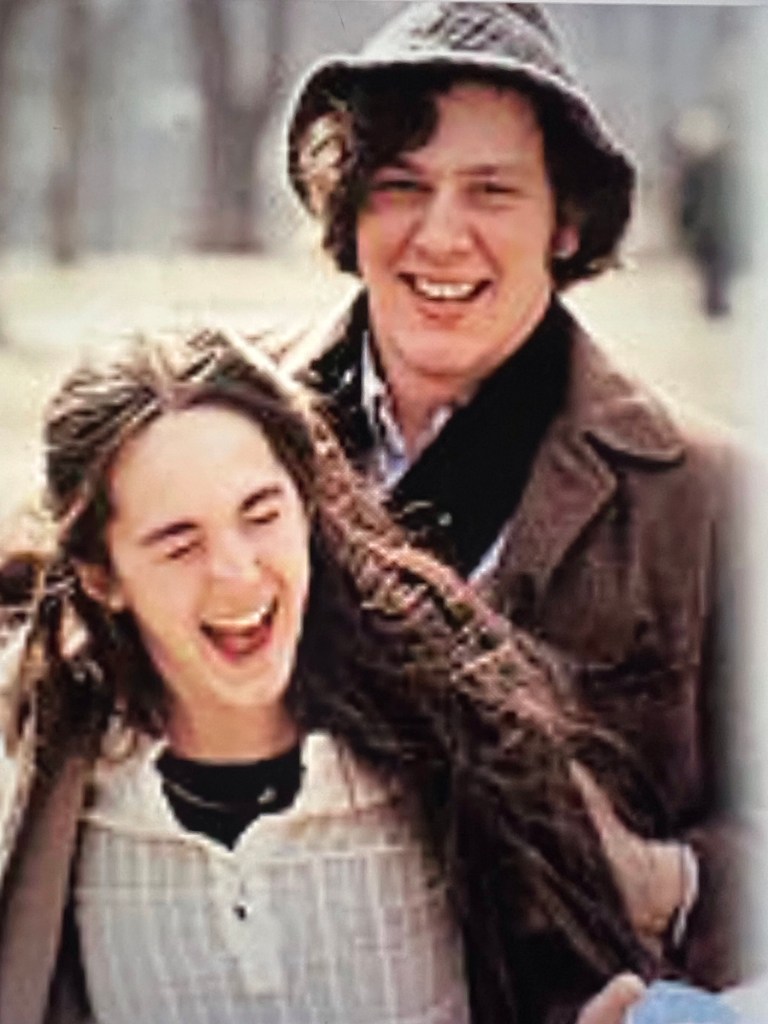
It fell to me to tell everyone in the office . . . but first of all, Walter. That was my immediate boss, Walter Sterling Surrey — a prominent international attorney and senior partner of the Washington-based law firm of Surrey & Morse — with clients doing business throughout the world, including China and the Soviet Union. But he was at a dental appointment that morning, so I had to tell him by phone, before he might hear it somewhere else.
When I called him at the dentist’s office and broke the news, he said nothing for a moment. Then: “Call Tregub. I want him in my office at noon. No excuses.” And he hung up.
Valeriy Tregub was our commercial contact in the Soviet Embassy. When I reached him by phone, there were none of the usual niceties. I told him bluntly, “One of our people was on that plane. Walter wants to see you here at noon.” And he didn’t argue.
When Tregub arrived, he looked as though he’d already been through hell; and his meeting with Walter didn’t help. I learned later from Walter that he had told Tregub what he thought his government should do — accept responsibility for a terrible, accidental tragedy, and offer restitution — but of course, they did just the opposite, denying fault and accusing the Koreans of spying.
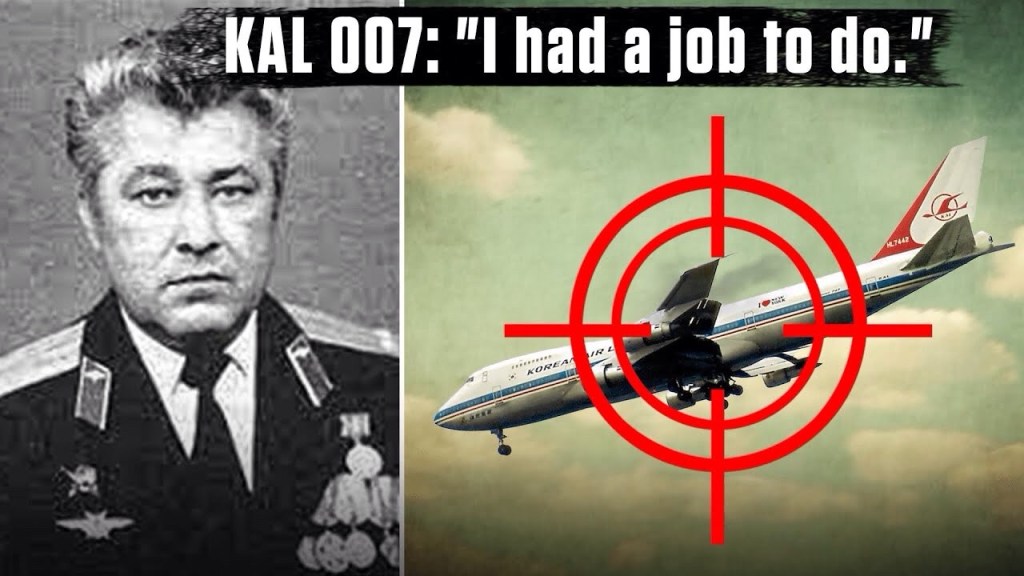
And to this day, there has been no justice for the 269 passengers and crew members on that flight . . . John Oldham included. He would have been around 65 now, probably married with children and grandchildren, and likely looking forward to retirement from a successful and meaningful career.
But that never happened for John . . . just as it will never happen for the tens of thousands of those killed during the past three years, and still being killed, on the battlegrounds and in the cities and villages of Ukraine. Because it never stops.
In 1983, it was Yuri Andropov seated in the Kremlin; today it is Vladimir Putin. It seems that only the names have changed.

Just sayin’ . . .
Brendochka
4/21/25
 The Blog About Everything … and Sometimes Nothing