I don’t actually remember them, because they took place between 1933 and 1944. But I’ve heard about them — those “fireside chats” delivered over the radio wires by then President Franklin Delano Roosevelt. They carried the country through the Great Depression and World War II — some of America’s toughest years. And they began on this date in 1933, just eight days after Roosevelt began his first term in office.
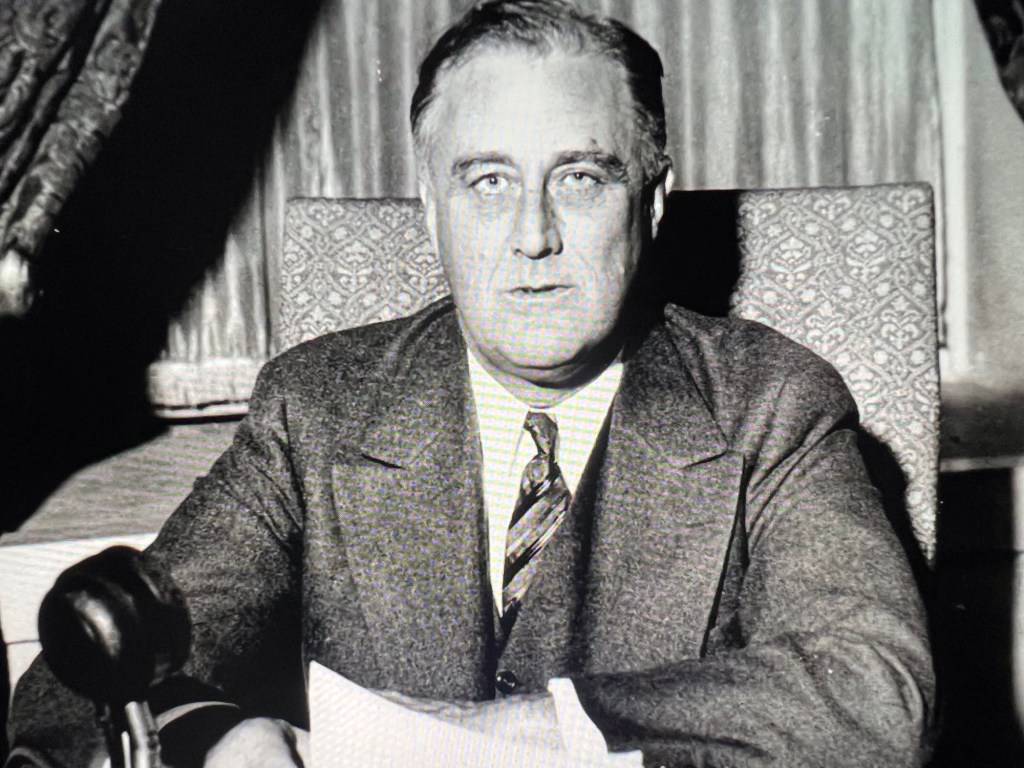
He walked into the world’s most difficult job that month, inheriting from Herbert Hoover the leadership of a country in an economic crisis unlike anything ever before experienced. And he set about uniting the country — not dividing it — by delivering facts, not lies; offering hope, not despair; and thinking first, last and always about the average American people, and not just the wealthy.
His first radio address to the nation began simply:
“I want to talk for a few minutes with the people of the United States about banking.” There had been a run on the banks, and to prevent a total collapse of the banking system, he explained to the people that the banks would be closed — just for a one-day “bank holiday” — to put a stop to it and safeguard their money. He called on the American people to have “confidence and courage,” and concluded with these words:
“Let us unite in banishing fear. Together we cannot fail.” [“This Day In History,” history.com, March 12, 2025.]
Inspirational words . . . not excuses, not anger, and not hate-mongering.
*. *. *
An educated man from an aristocratic family, FDR nonetheless spoke to the people in terms that everyone could understand, using anecdotes and analogies to explain the complex issues of the day.
Over the next years, he created the New Deal, putting people back to work; and he used his fireside chats to explain the details to them . . . despite opposition from — not in collusion with — big business. And when the bombing of Pearl Harbor forced the United States into World War II on December 7, 1941, Roosevelt took to the airwaves the following day to deliver the immortal “Day of Infamy Speech,” beginning:
“Yesterday, December 7, 1941 — a date which will live in infamy — the United States of America was suddenly and deliberately attacked by naval and air forces of the Empire of Japan.”
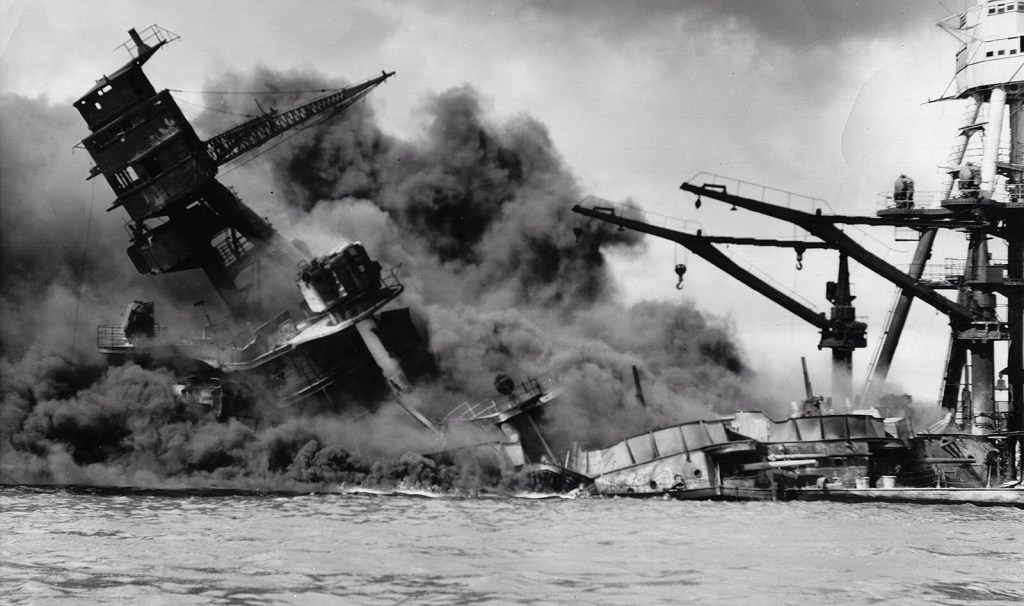
FDR delivered straight talk to the people. And — through grit, determination, and honest communication — he brought the nation safely through those critical years and into the unprecedented prosperity of the post-war era.
He spoke of unity, not division; of courage, not fear; of patriotism, not hate.
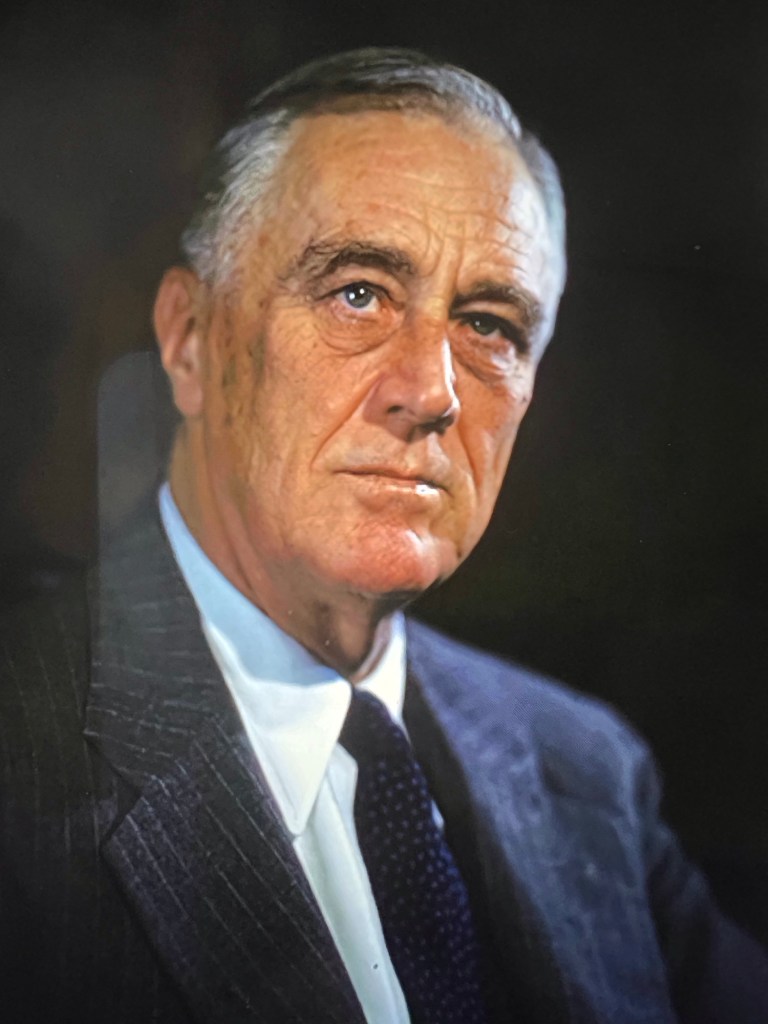
Now, that’s what I call a President.
Sadly, they don’t seem to make ‘em like that anymore.
Just sayin’ . . .
Brendochka
3/12/25
 The Blog About Everything … and Sometimes Nothing