It’s always been political, you know, never about legal considerations: the round-up of dissidents and journalists on specious grounds, to be held as collateral in Russian (and now, also Belarusian) prisons.
But since late January — with the sudden, completely unexpected release of three hostages in just three weeks, timed to coincide with the equally sudden announcement of discussions between Donald Trump and Vladimir Putin regarding Ukraine — the motive behind all of those arrests and lengthy imprisonments has become clear enough for even the most politically naive individual to discern, which is that . . .
Putin will now be able to get what he wants in Ukraine.
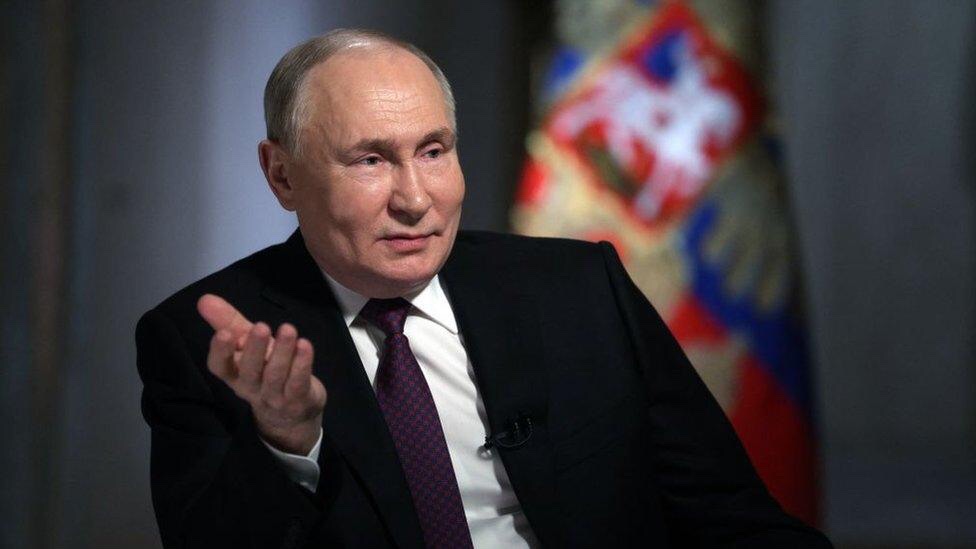
The fact that Trump will get credit for engineering the release of the hostages, and ultimately for negotiating an end to the war in Ukraine . . . that’s just political gravy.
And the fact that Ukraine will be the sacrificial lamb . . . well, that will simply go into the next generation of history books as another interesting part of the story of a once-great land.
*. *. *
Putin was never going to lose, of course. He never expected the Ukrainian people to put up such a valiant defense; or that Volodymyr Zelensky would become such an heroic, unifying president; or that the Western nations would join together so firmly in defense of a country that was neither a member of NATO nor the EU.
But once he realized that the Biden administration would never turn its back on Ukraine, and would fight to keep the rest of the free world on their side as well, he knew he would have to change his tactic. All he had to do was wait . . . let the war drag on until Ukraine was weakened; the Western allies were feeling the pinch of supporting Ukraine’s defense; and someone — preferably someone more malleable, like, say . . . oh, I don’t know . . . maybe Donald Trump? — was in the White House.
And in the meantime, he had all those prisoners to hold for ransom. Yes, there was that historic prisoner exchange back in August; but that wasn’t generosity on Putin’s part; he got back eight of his most prized criminals . . . sorry . . . citizens.
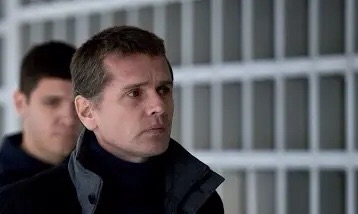
But what did he get for these last three? Interestingly, we only know of one Russian — Aleksandr Vinnik — who was arrested in 2024 and was being held in the U.S. on charges of money laundering connected to his cryptocurrency exchange, BTC-e. He got to go home this week.
From the Russian side, it seems like a lopsided exchange. U.S. Secretary of State Marco Rubio, however, said:
“I think it’s also important to note it was not in return for anything. There wasn’t some deal here where we had to release, like, 10 spies.” [Louise Radnofsky, Georgia Kantchev and Alex Leary, The Wall Street Journal, February 12, 2025.]
Oh, well then, like . . . okay.
Donald Trump said that the agreement was”very, very fair, very reasonable. Not like deals you’ve seen over the years.” He added that Russia had shown goodwill “in terms of the war … It’s a very important evening for ending that war.” [Id.]
But then we heard from dear old Kremlin spokesman Dmitry Peskov, who can always be counted on to contradict whatever anyone other than Putin says, thus putting a major damper on the party. He said that the deal was the result of “meticulous negotiating work,” and added, for good measure:
“Of course, such agreements are not capable of becoming a turning point, but at the same time, bit by bit, these are certain steps towards building up that very mutual trust, which is now at its lowest point.” [Id.]
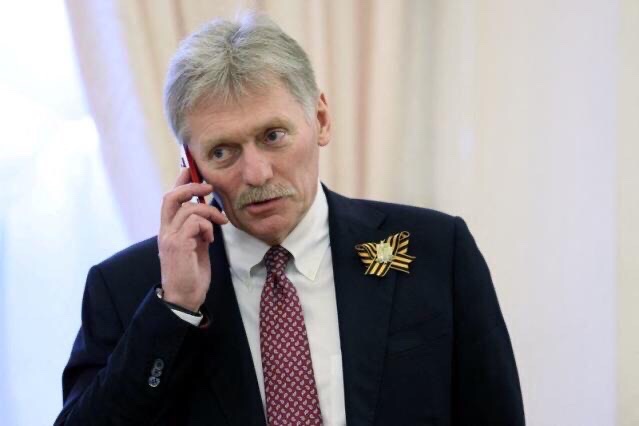
Well, there you go. Trust Dmitry Peskov to deliver that touch of realism guaranteed to extinguish any glimmer of optimism. Thanks, Dima.
But he’s not wrong. It is only a step, and a tiny one at that. It doesn’t portend an imminent end to the war in Ukraine, because Vladimir Putin still won’t give in on his demands, and Volodymyr Zelensky won’t willingly give his country away.
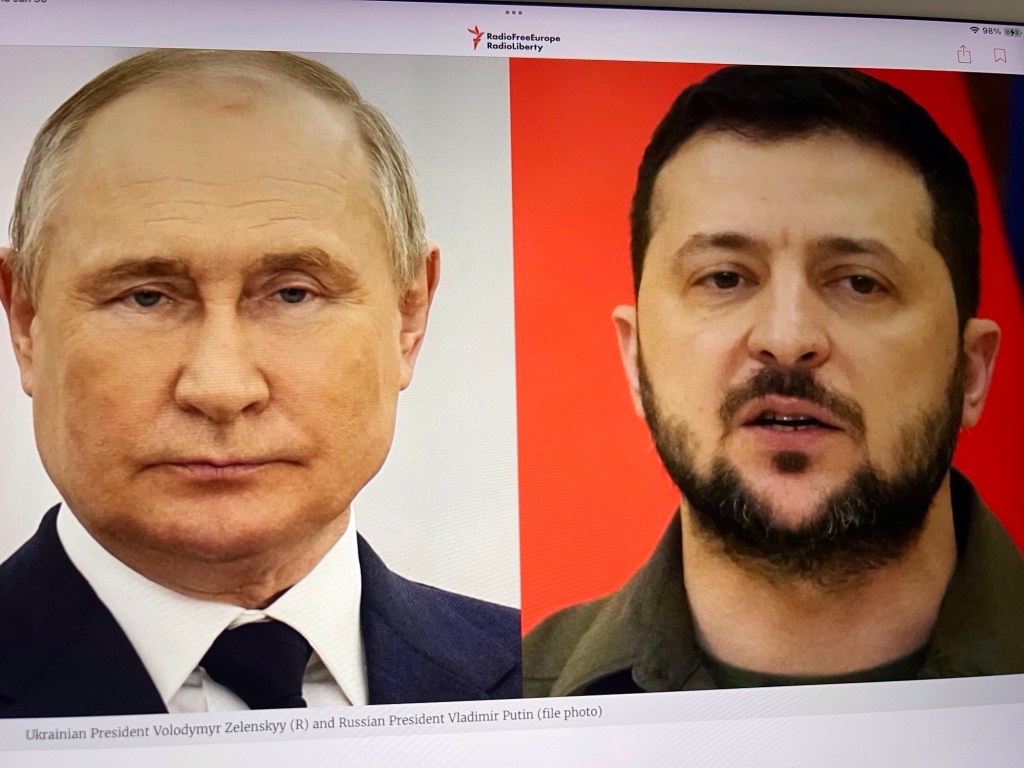
Talk about the irresistible force and the immovable object!
Just sayin’ . . .

Brendochka
2/13/25
 The Blog About Everything … and Sometimes Nothing