It’s not like the London Blitz of World War II; there are no bombs dropping from enemy planes flying over the city of Moscow . . . although there is the occasional Ukrainian drone.
The explosions hitting Moscow recently are much more personal, directly aimed at specific individuals, and with the added “benefit” (to the perpetrators) of being likely to take out a few bystanders, destroy a bit of property, and instill fear in the Russian people.
The question is: Who is doing it?
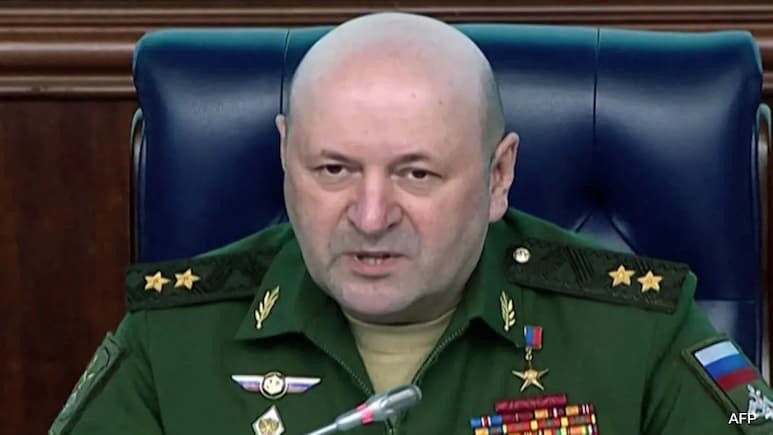
There have been two instances in just the past three weeks, both involving the Russian military. The first, previously reported on, was Igor Kirillov, commander of the Russian chemical, biological and radiation defense troops, who was killed when a motor scooter parked in front of his apartment building was detonated by remote control as he and his aide exited the building on December 17, 2024. The aide also died in the explosion.
In that case, Ukraine’s intelligence agency, the SBU, did not deny responsibility; in fact, an SBU source has “informally” stated that the blast was “the result of an operation” by their agency. [Steve Gutterman, RFE/RL, February 3, 2025.]
*. *. *
And on Monday, February 3rd, Armenian-born Armen Sarkisian was killed, along with one other individual, by an explosion in the high-end Alye Parusa (“Scarlet Sails”) residential complex in northwest Moscow.
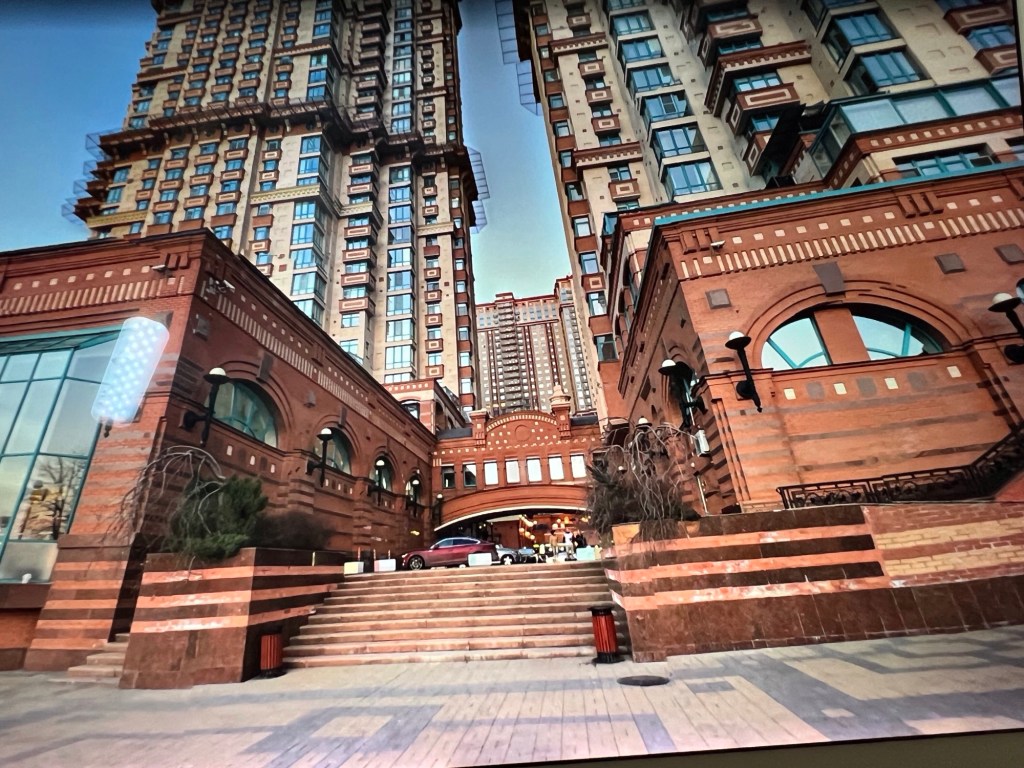
Sarkisian was a long-time member of notorious crime groups, who worked his way up during the early 2000s to found his own paramilitary force known as “Arbat” — short for Armenian Battalion — which is now part of Redut, a mercenary network backed by Russia’s military intelligence agency, the GRU. [Id.]
He has been wanted by Ukraine since the first Russian invasion in 2014, charged with aiding the Russian forces, and for “organizing murders in the center of Kyiv.” [Id.]
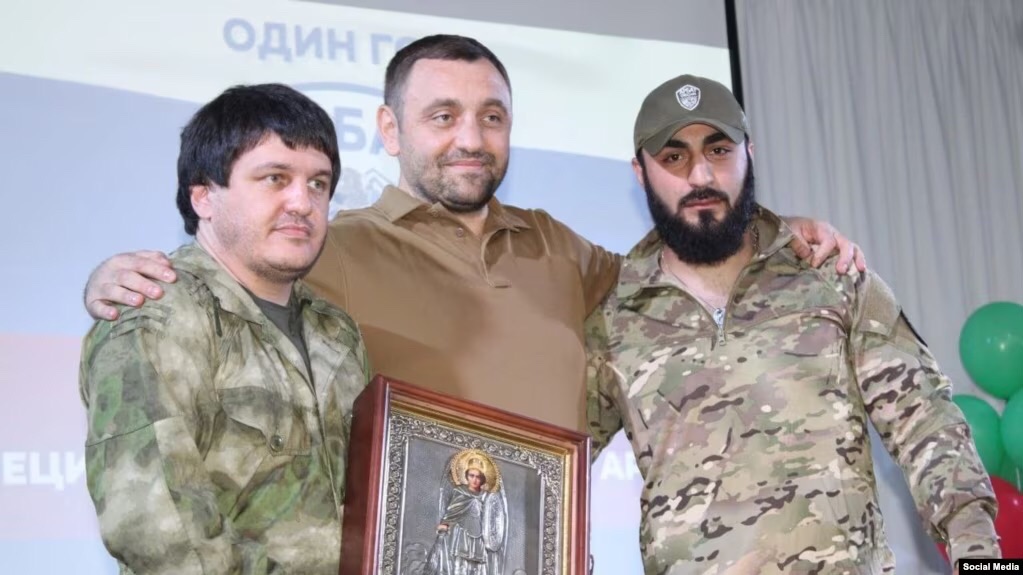
In this case, there is not yet a clear-cut picture of responsibility; but there is a good bit of finger-pointing taking place. On the one hand, because of Sarkisian’s criminal activities, this may have been just one more Mafia-style hit by a rival gang, of the sort that was so commonplace in Russia in the 1990s.
But on the other hand, it may have been another assassination by Ukrainian forces of Russian commanders considered responsible for so much of the devastation of the past three years. No “credit” has as yet been claimed for this hit, and the investigation is ongoing.

*. *. *
While the frequency of these incidents seems to be increasing, they’re really nothing new. These types of killings, along with attacks by alleged terror groups such as last year’s slaughter at the Crocus Music Hall, have all the earmarks of the “Wild East” days of Moscow in the 1990s. It brings back memories of the months I lived and worked there in ‘93: the burnt-out cars by the side of the road; the daily reports of shootings, kidnappings, and robberies; the limousines with darkened windows that you knew belonged to the new oligarchs and their security details.
In other words . . . the good old days.
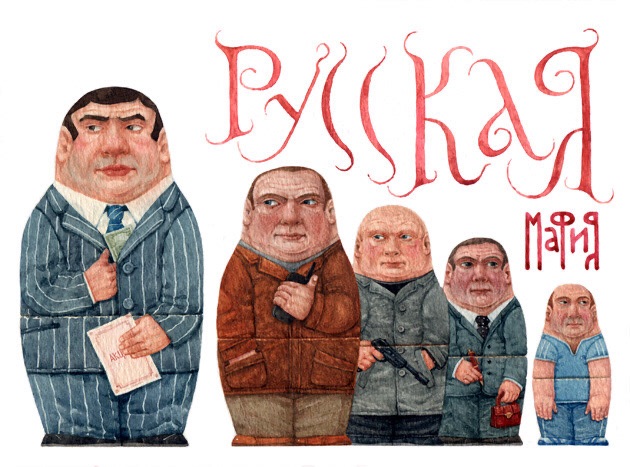
And, in the words of the old (1974) Peter Allen song, it seems that indeed, “everything old is new again.”
Just sayin’ . . .
Brendochka
2/5/25
 The Blog About Everything … and Sometimes Nothing