When his son, Laertes, was leaving home for university, Polonius famously gave him a good deal of fatherly advice on how to conduct his life as an honorable man — with caution, common sense, and above all, with integrity. And he ended with this bit of wisdom:
“This above all: to thine own self be true,
And it must follow, as the night the day,
Thou canst not then be false to any man.”
(William Shakespeare, Hamlet, Act I, Scene 3)
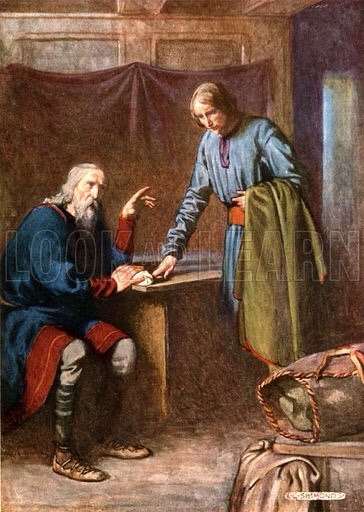
Excellent advice. But what Polonius was obviously counting on was that his son was inherently honorable, and that by being true to his “own self,” he would be certain to behave honorably.
But what if Polonius had been wrong about Laertes? What if, underneath a benign exterior, his son had been a lying, cheating, heartless, misogynistic, power-mad, narcissistic scumbag who wanted from life only what benefited him, no matter how many other lives — or nations — he destroyed along the way?
Then being true to himself would take on an entirely different meaning, wouldn’t it? Certainly, the effects of his behavior would not be at all what poor, deluded Polonius had in mind for his beloved offspring.
Indeed, Laertes would more likely have ended up as did poor old King Richard III — glorying in his evil nature:
“And thus I clothe my naked villainy
With odd old ends stol’n out of holy writ,
And seem a saint, when most I play the devil.”
(William Shakespeare, King Richard III, Act 1, Scene 3)
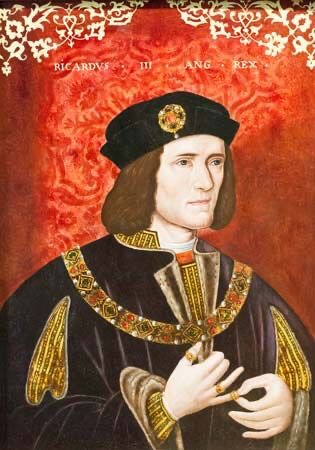
Now, does that description remind you of anyone . . . covering his villainy with meaningless, purposely deceptive speeches “stol’n out of holy writ”?
Just sayin’ . . .
Brendochka
2/4/25
 The Blog About Everything … and Sometimes Nothing