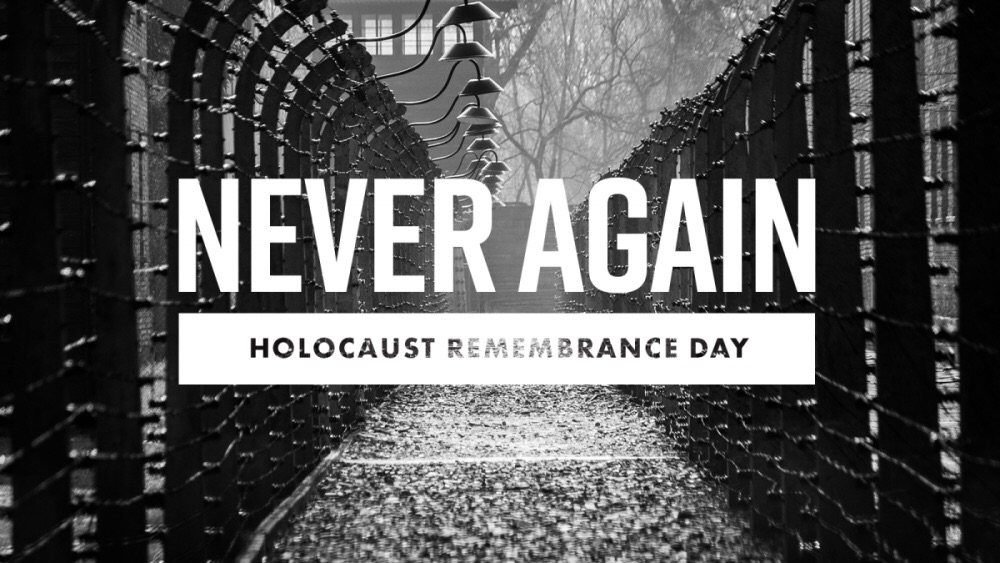
Today is the 80th anniversary of the liberation of Auschwitz Concentration Camp.
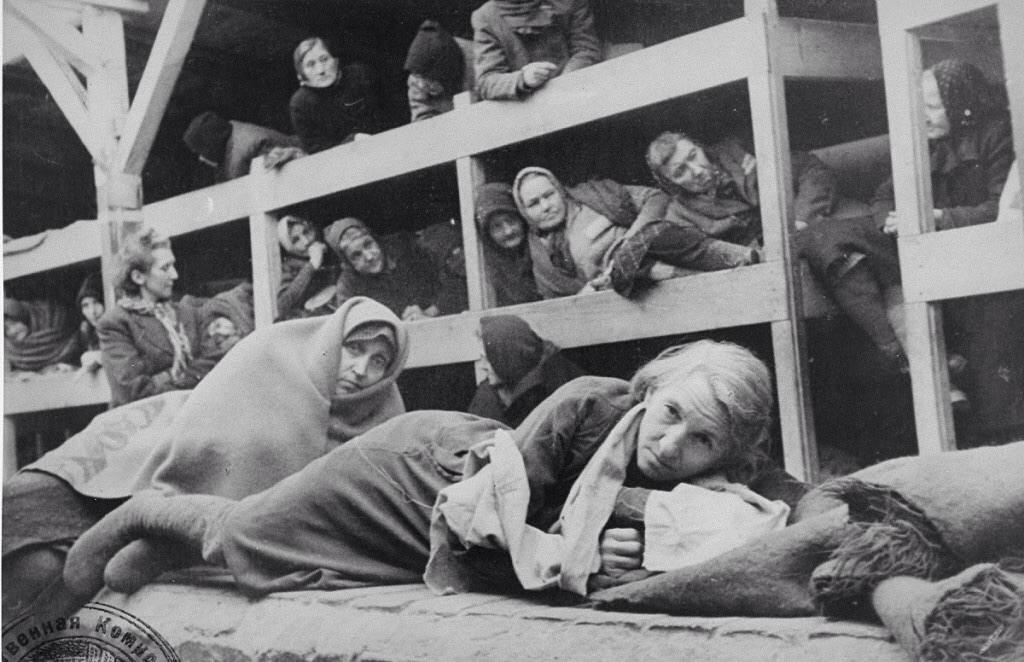
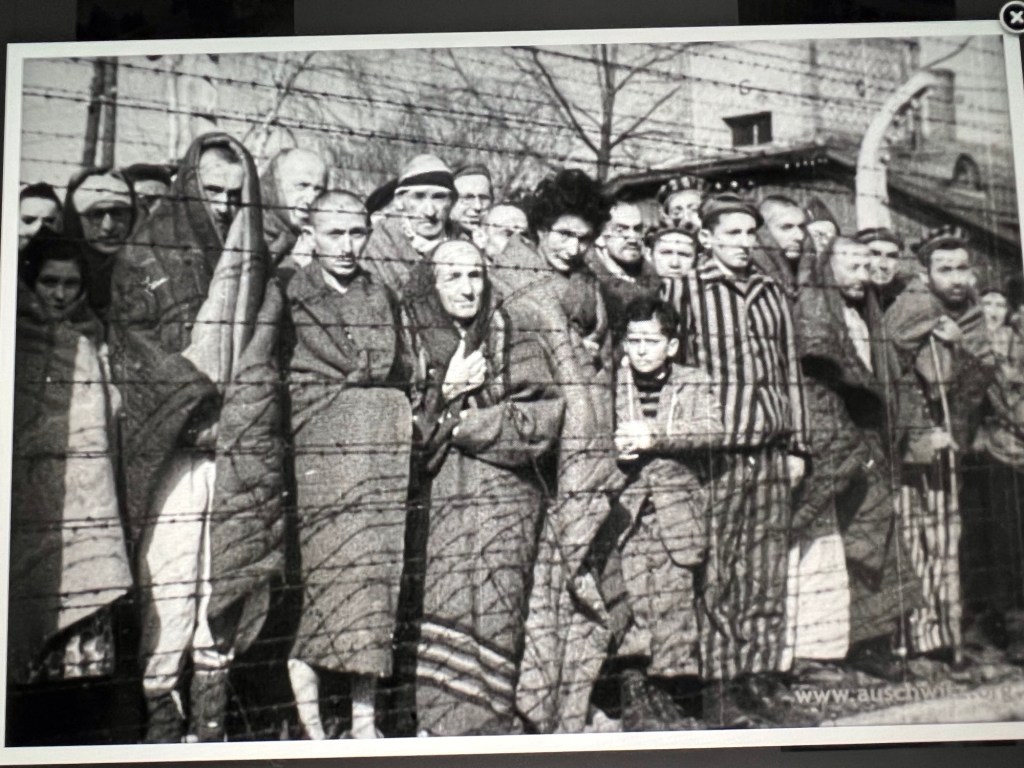
I read yesterday of an Israeli woman — Hila Weisz-Gut — who is the only Jewish resident in the town of Oswiecim, Poland (population 34,000). [Allison Gordon, CNN, January 26, 2025.]
Being part of a minority population is nothing new for Jewish people in many countries . . . though being the last one standing is rather unusual. However, what truly sets Hila Weisz-Gut apart is the proximity of the town in which she lives to that most notorious of the World War II Nazi concentration camps: Auschwitz.
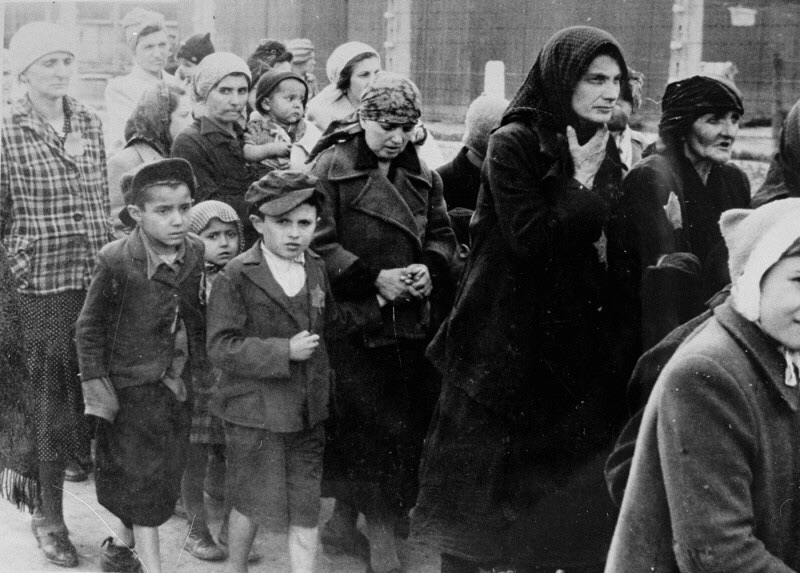
Hila moved from Israel with her Polish husband to his hometown of Oswiecim in 2023, despite the fact that nearly every member of her grandmother’s family had been lethally gassed there upon arrival from Hungary in the 1940s. In fact, she can see from her bedroom window the very place where her grandmother managed to survive. [Id.]
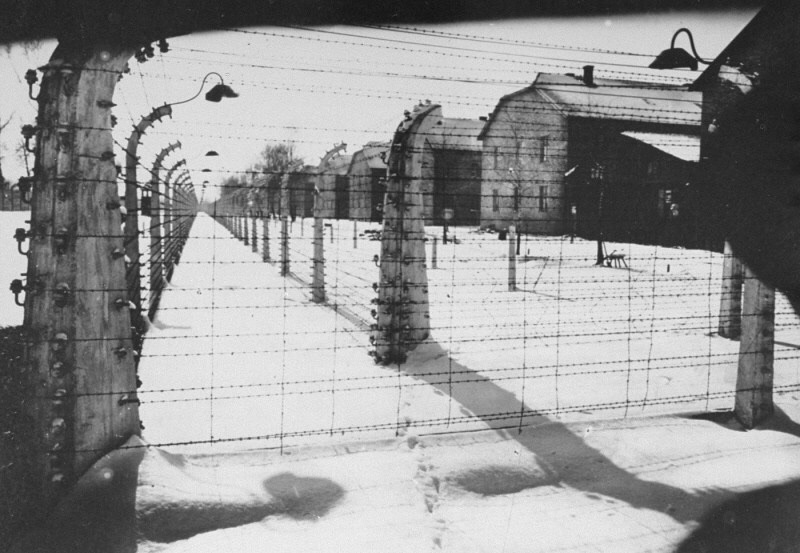
While her decision to relocate has been met with derision on the part of many of her Israeli and other Jewish acquaintances, she says that her new neighbors have been welcoming and kind:
“I haven’t had even one altercation that connected to antisemitism,” she says. [Id.]
She should — and no doubt does — consider herself very fortunate, in light of the appalling rise in antisemitism being seen in many parts of Europe, including France and Germany. I cannot even imagine the level of inner strength and resolve it must have taken for her to face her family history and begin a new phase of her life in the shadow of the most unspeakable genocide in the history of mankind.
I know I could not do it, even though my family members were all safely ensconced in the United States long before the Holocaust.
*. *. *
In 2009, as part of a Baltic Cruise with my sister, one of our ports of call was Rostok (Warnemunde), Germany. We had chosen as our shore excursion a train ride to Berlin, a tour of the city, and a side trip by bus to the nearby town of Oranienburg — a town that I recall as resembling a picture postcard (if you’re old enough to remember those), with lovely little cottages sporting window boxes of red geraniums all along the route we took.

But we merely passed through the charming neighborhoods, not stopping, and after a short distance reached our true destination: Sachsenhausen Concentration Camp. My sister was a long-time student of World War II history, with particular emphasis on the Holocaust.

Sachsenhausen was said by our tour guide to have been one of the “lesser” camps — not an abattoir like Auschwitz. There were no gas chambers, we were told; but there was a crematorium, and a “hospital” where medical experiments were performed on the inmates — a whole different type of horror — as well as a barracks that still held the sleeping quarters and toilet areas. A small museum contained exhibits detailing the overcrowded living conditions: freezing cold in winter and steaming hot in summer.
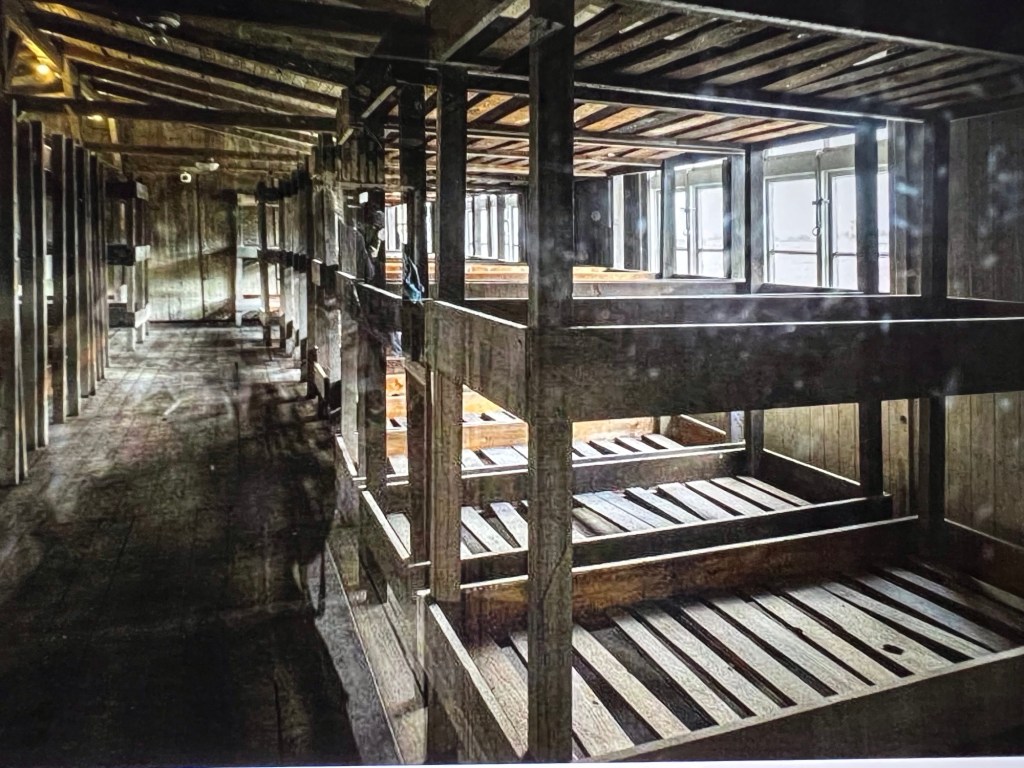
We were there on a pleasantly warm summer day, and although the windows and door were open to the fresh air, the rooms felt close and I was finding it difficult to breathe. As I read the descriptions of the horrific conditions that once existed, I could imagine hearing the groans and cries of those prisoners . . . and I suddenly knew I was about to be violently ill. I told my sister I needed air and rushed outside, gasping for breath but managing to keep from losing the large lunch we had enjoyed in Berlin.
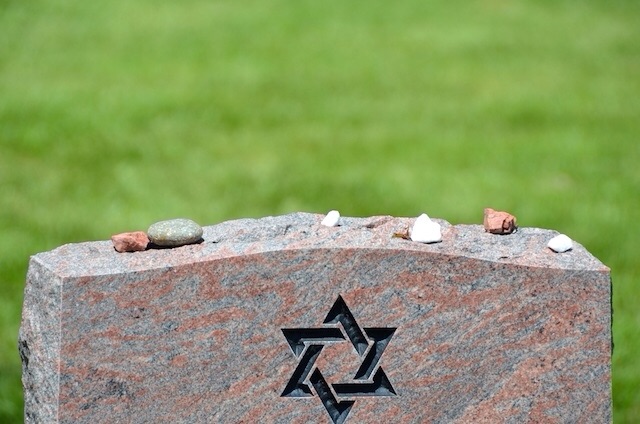
My sister came after me, of course; and as I began to feel better, we strolled around the grounds for a few minutes, coming across a single gravestone close by the barracks. Whether there was actually anyone buried there, we had no way of knowing; there was no carving on the stone. But several people had laid pebbles on top of the marker, and we found some small grey stones with which to pay our respects to all those who had not survived that place of horror.
That was one of the most difficult days of my life: visiting the sites of Kristallnacht, the bunker where Hitler committed suicide, the remains of the Berlin Wall, and Sachsenhausen. After all of that, could I ever think of also visiting Auschwitz?
No . . .
Just sayin’ . . .
Brendochka
1/27/25
 The Blog About Everything … and Sometimes Nothing