As I read yesterday’s “This Day In History” column, I focused on an item that brought back a vivid personal memory:
“January 16, 1991: The Persian Gulf War begins.”
It was the memory of a death, a quick round-trip visit to New York, a memorial service, a surprise message from the Kremlin . . . and the start of a war in the Middle East. It was quite a day.
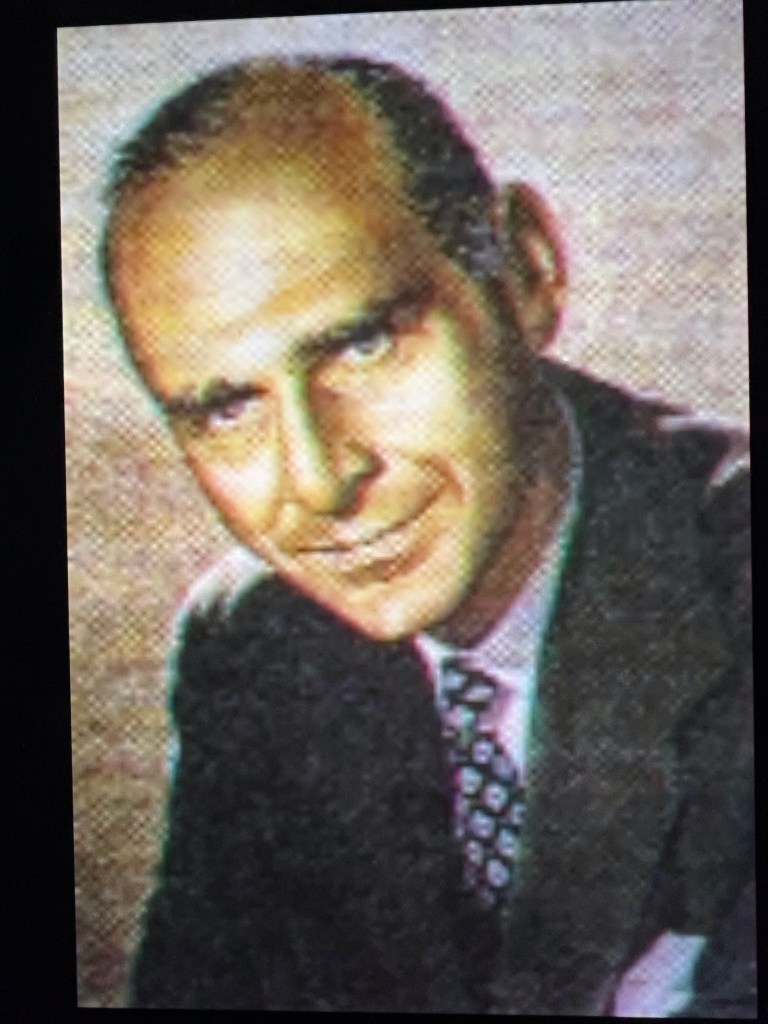
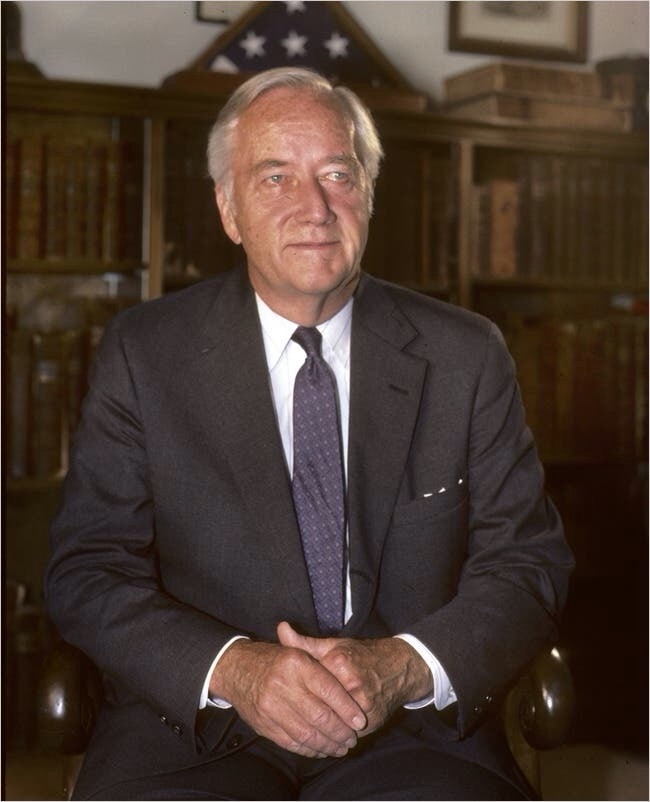
And immediately I was transported back to a time when our law firm had just lost one of its senior, and most distinguished, partners: David A. Morse: former U.S. Undersecretary of Labor; for 22 years Director-General of the United Nations International Labor Organization (ILO); old-world gentleman; and one of those people you could honestly say you were privileged to know.
Although he spent a great deal of time in our Washington office, New York was his home town, and that is where his memorial service was to be held. A group of us from the D.C. office arranged to travel to New York that morning for the service, and I offered to go along with Mr. Morse’s assistant, Diana Minghi, who was also my good friend and in need of a bit of moral support. Leaving my car at Washington’s Union Station, we took an early express train, arriving at Penn Station in plenty of time for the service at the prestigious Temple Emanu-El on upper Fifth Avenue.
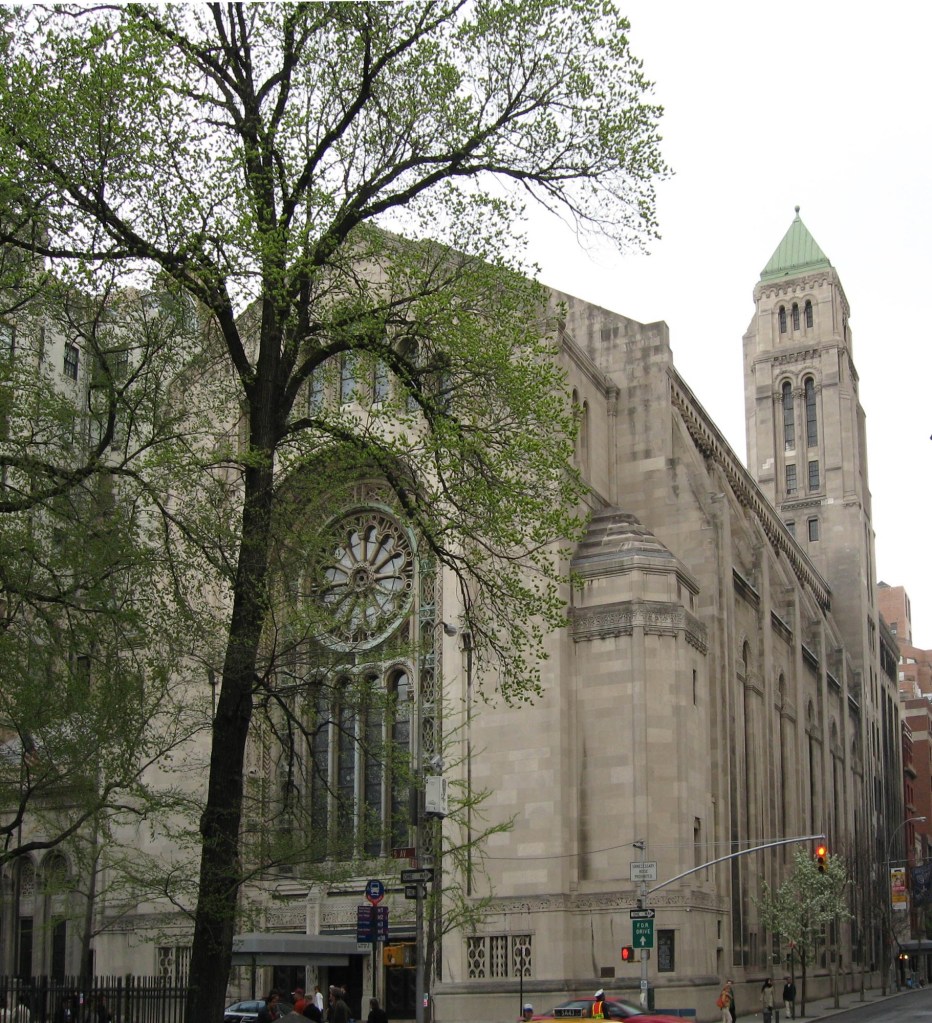
We had expected a good turnout; but we were not prepared for what awaited us upon entering the synagogue. There was a security detail that would have sufficed for a president or a monarch — metal detectors, bag searches, and a complement of guards positioned every few feet around the sanctuary. What was going on?
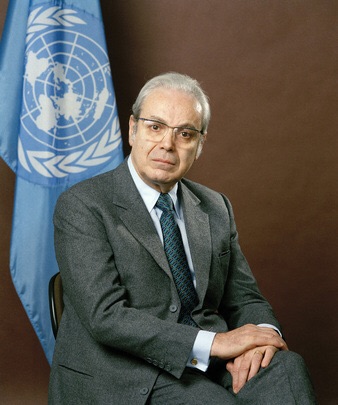
We had part of the answer to that question once we were seated and looked at the program for the service. Among the speakers — in addition to former Maryland Senator Charles McC. Mathias, who had joined our firm following his retirement from politics — was then Secretary-General of the United Nations Javier Perez de Cuellar, who was there to honor the former head of the ILO.
So the big, scary-looking men lining the walls of the sanctuary were United Nations security. That made sense . . . but it still seemed a bit excessive for a private event.
And then the service began. It was — as are most funerals — sad, inspiring, and infused with memories both sorrowful and funny. When it ended, our group from Washington gathered together, hailed a couple of taxis, and headed for the New York office where a luncheon had been organized for us.
*. *. *
Even the worst of days can have its moments of levity; and the day of David Morse’s memorial service was no exception. I was standing with a group of our New York people in the office when Senator Mathias walked by. Spotting me, he stopped and walked toward us. He had flown in from Paris that morning on the Concorde, following a business trip to Moscow, in order to speak at the service, and was looking a bit jet-lagged.
“Sir Senator,” as I used to call him, had a droll sense of humor, and could drag a story out endlessly while still keeping your attention. As he began speaking, no one could have imagined what was coming. He started out slowly:
“Yesterday morning . . .” (looking at his wristwatch) “. . . at about this time . . . I was in Moscow. In fact, I was in the Kremlin. In the Great Hall of the Kremlin. At a reception for President Gorbachev. I was talking to some people, when suddenly I heard a booming voice call out to me from across the room: ‘Senator Mathias! Say hello to Brenda Lipson for me!’”
At which point, Sir Senator stopped talking and just stared at me, a slight smile showing itself in his eyes. And all I could do was stare back, open-mouthed . . . as did every other person in the room. And after a few seconds it hit me: I knew who he was talking about.
“Dmitri?” [Not his real name.]
The Senator nodded.
“Oh, he didn’t!” I exclaimed in disbelief.
He nodded again, and went on:
“Oh yes, he did. No ‘Hello, Senator.’ No ‘How are you, Senator?’ No ‘Good to see you, Senator.’ Just, ‘Say hello to Brenda Lipson for me.’”
And we both laughed, leaving the bystanders wondering who in hell I knew in the Kremlin, and why he would think to send me such a vocal greeting.
I never did enlighten them, but my anonymous “admirer” in Russia was someone I had met, through our firm’s commercial dealings on behalf of clients, when he had been stationed at the Soviet Embassy in Washington, and who was now back in Moscow on President Gorbachev’s staff. I just grinned and left them in the dark, probably imagining that I was leading some sort of intriguing double life. I figured a little mystery never hurts anyone’s reputation.
And it did break up an otherwise depressing day.
*. *. *
But by now, you’re no doubt wondering what any of this has to do with Desert Storm. Actually . . . everything.
Because after we had left the New York office, and Diana and I had arrived back at Union Station, I still had to drive her home. It was my long-standing habit to immediately turn on the car radio to my favorite music station, and as I did, we heard — instead of soothing music — a special news bulletin.
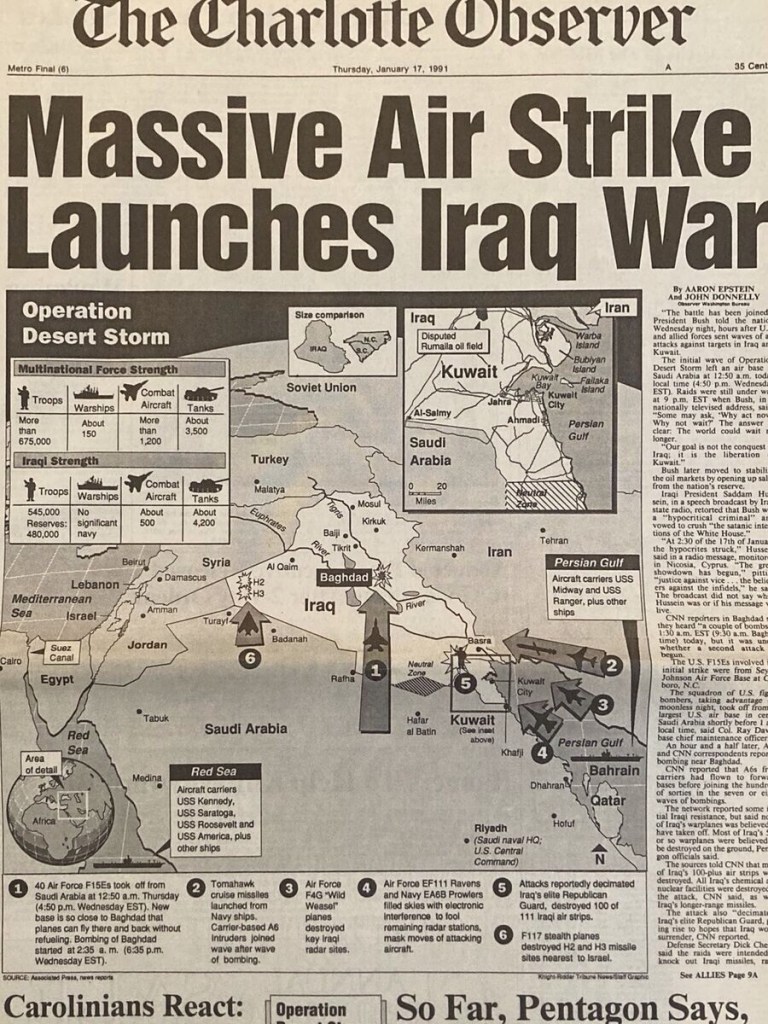
At midnight (Iraq time), U.S. and British forces had begun bombing Iraq in retaliation for its five-month occupation of Kuwait. The deadline for Iraq’s withdrawal of troops had expired; they had been warned; they had ignored the warnings; and we followed through.
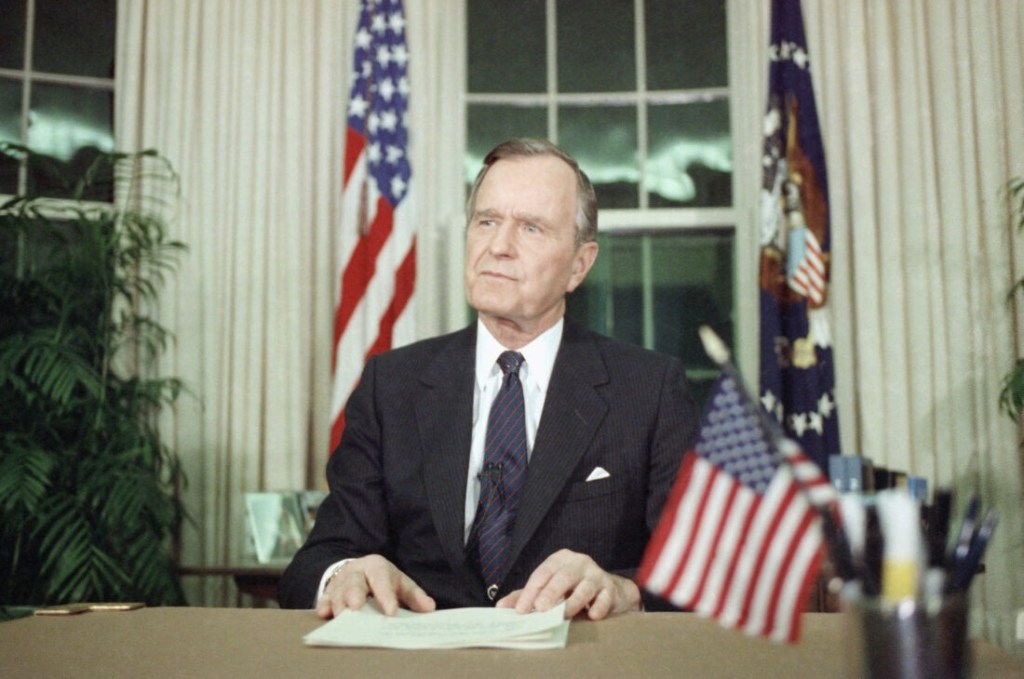
President Bush had announced the start of Operation “Desert Storm” while we were attending a funeral, eating lunch, and riding a train from New York back to D.C. There were no cell phones in those days, and no internet; we had to wait until we could turn on a TV or radio to find out what was going on in the world.
We sat in that garage for a full ten minutes, listening to the broadcast, before I could begin the drive home. It was the perfect dismal end to an already dismal day . . . and it finally explained the extent of the security for Perez de Cuellar, who had been giving his eloquent eulogy while knowing that yet another war was about to be launched in the Middle East.
And it was the day I received a hilarious message from a friend in Moscow by way of a retired U.S. Senator following a funeral at a Fifth Avenue synagogue in New York some 250 miles from my home. It was a day I wouldn’t be likely ever to forget.

Life is endlessly surprising . . . as it should be.
Just sayin’ . . .
Brendochka
1/17/25
 The Blog About Everything … and Sometimes Nothing