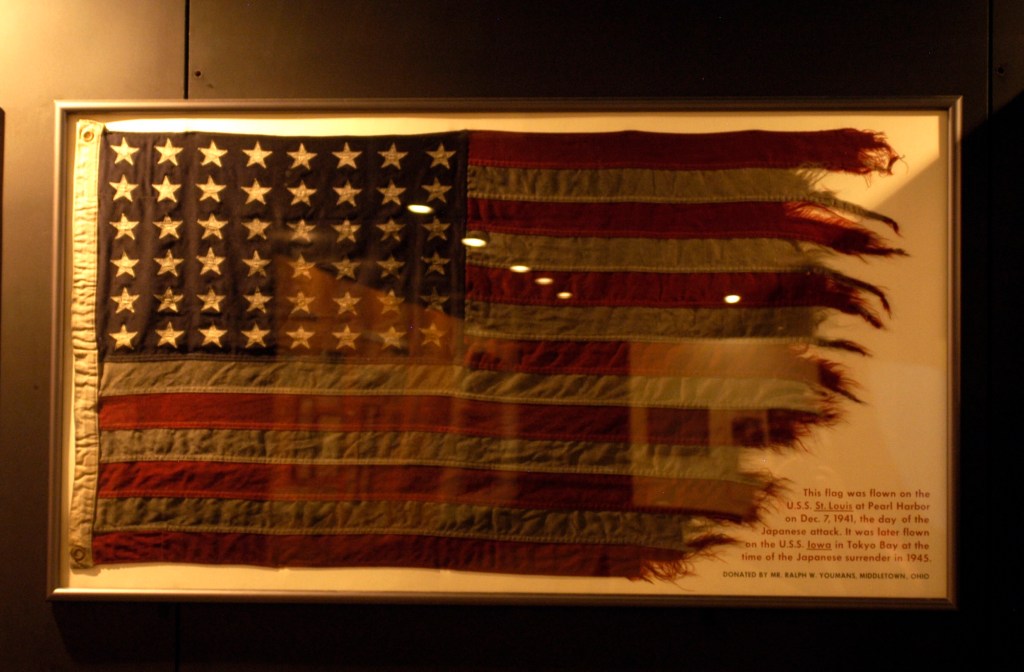
On December 6, 1941, U.S. President Franklin Delano Roosevelt received a report that the Royal Australian Air Force had sighted Japanese warships headed for Thailand — just after the Australian pilot who radioed the report was shot down by Japanese guns. Word also quickly circulated to British Prime Minister Winston Churchill, whose country was already at war with Nazi Germany, and who called a meeting of his chiefs of staff to discuss the new crisis.
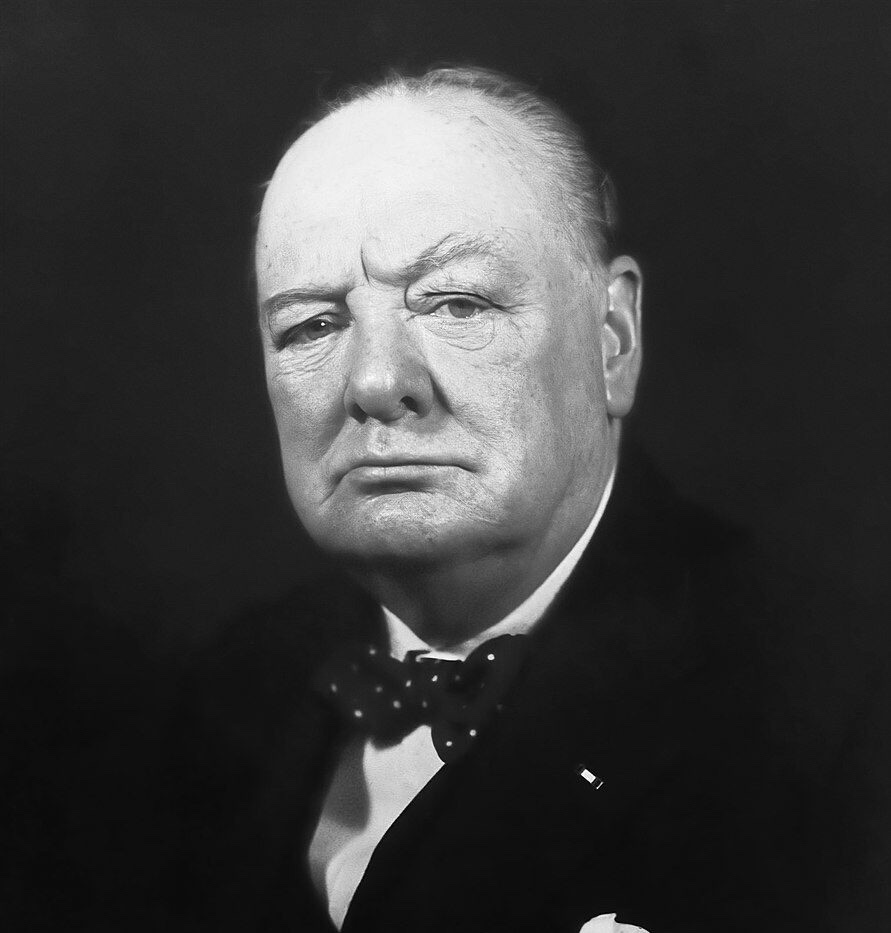
Some thought the convoy headed toward Thailand might have been a red herring — a diversion — but no one was sure. In fact, Britain was already preparing to launch its 11th Indian Division — on what was code-named Operation Matador — to counter any Japanese invasion.
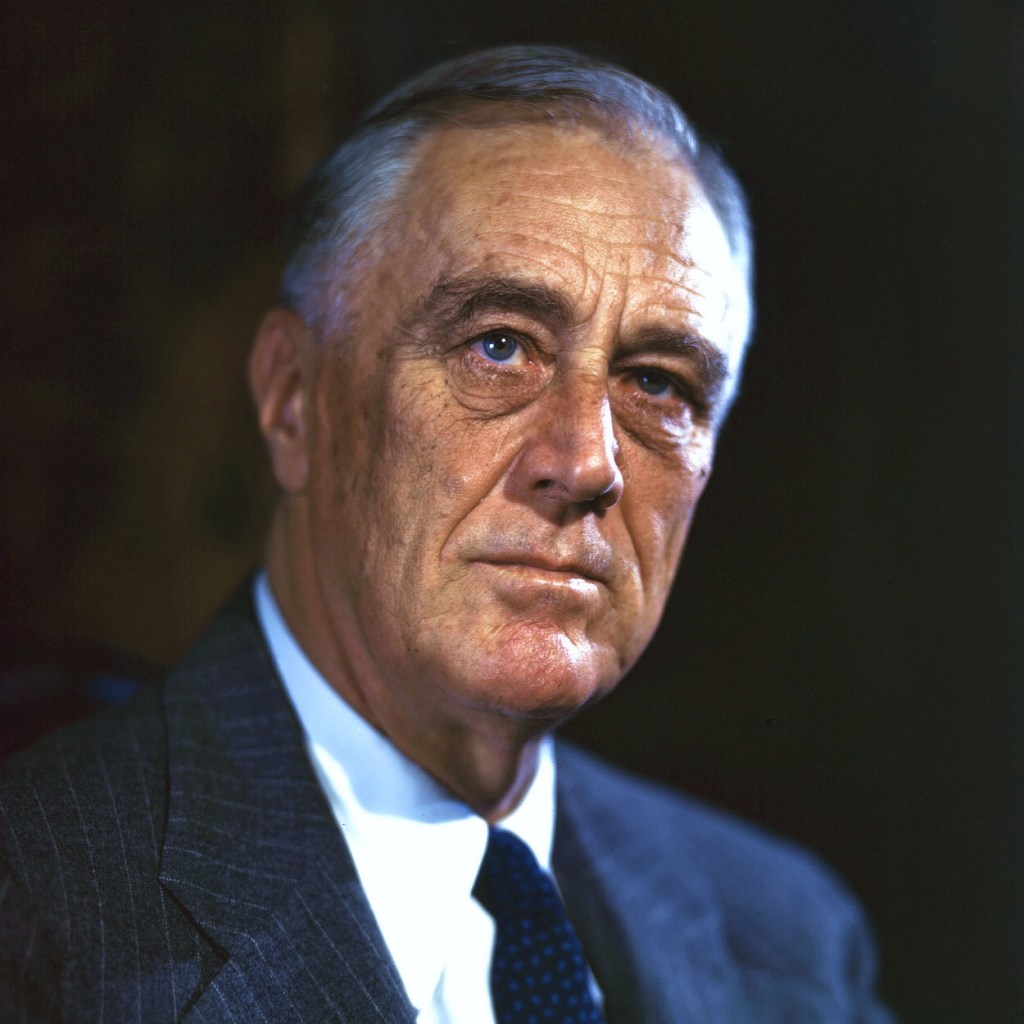
And in Washington, President Roosevelt — still believing that the Japanese were about to attack Thailand — sent a telegram to Emperor Hirohito requesting that the Emperor intervene, “for the sake of humanity . . . to prevent further death and destruction in the world.” [“This Day In History, History.com, December 6, 2024.]
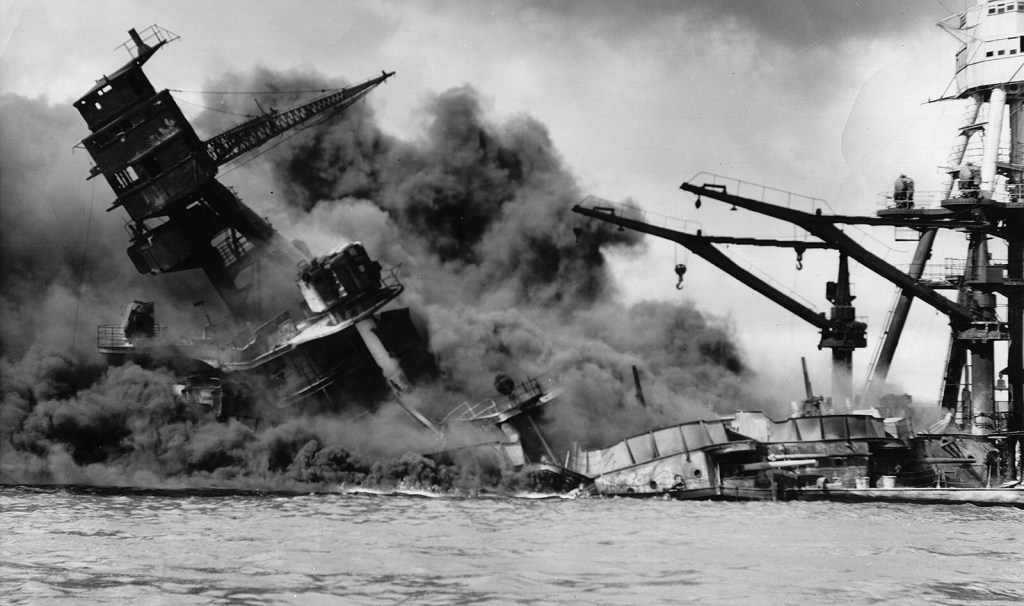
The following morning — December 7th — the Japanese Air Force laid waste to the U.S. Naval Fleet at Pearl Harbor, Hawaii, then a territory of the United States. On the same day, Japan also attacked Guam, the Philippines, Hong Kong, Singapore, and Malaya. But not Thailand.
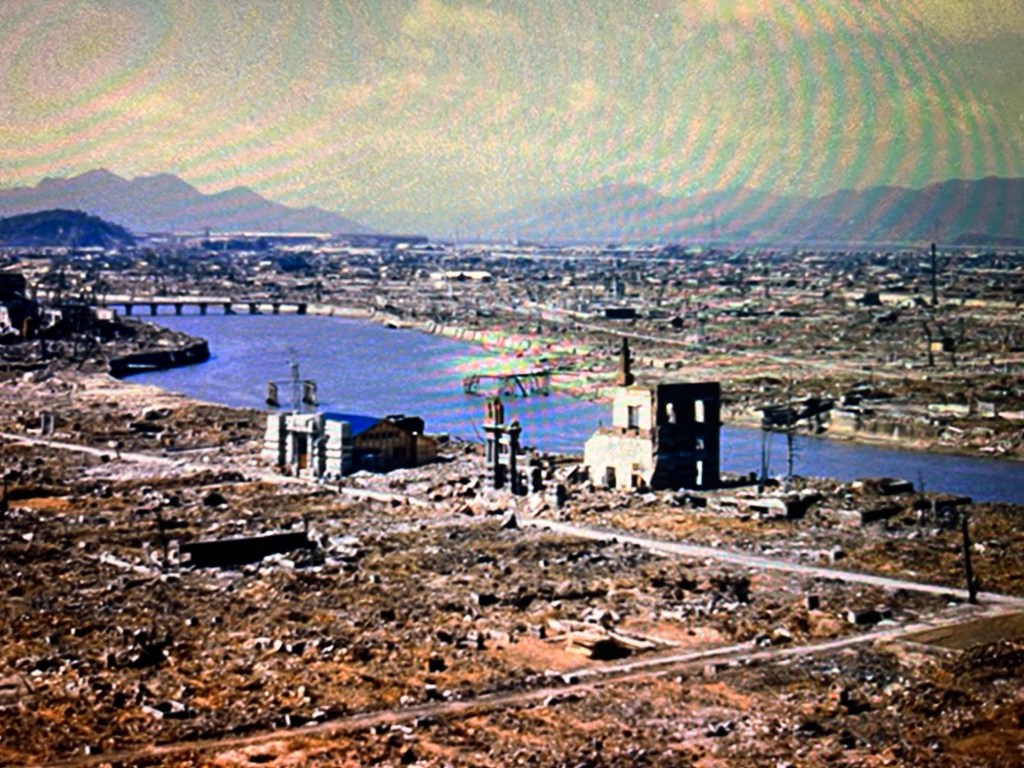
The United States had been brought, against its will, into World War II. Four days later, on December 11th, the U.S. declared war on Germany as well. And it would not end until Adolph Hitler was dead (April 30, 1945), and Japan had received a punishment the world would never forget . . . when the first two atomic bombs were dropped on the cities of Hiroshima (August 6, 1945) and Nagasaki (August 9, 1945).
*. *. *
So, yes, let’s remember Pearl Harbor . . . and pray that, after nearly 80 years, we have learned something from that long-ago lesson.
Because the alternative is simply not acceptable.
Just sayin’ . . .
Brendochka
12/7/24
 The Blog About Everything … and Sometimes Nothing