How we’ve missed it during this time since the Cold War (supposedly) ended in 1991. But it’s back, with a vengeance unseen in more than 30 years. And it’s all the fault of former Russian President Boris Yeltsin.
Not that he personally started it. But he did co-opt an unknown KGB officer from his job in St. Petersburg as Mayor Anatoly Sobchak’s fixer . . . or bagman . . . or whatever unsavory name you care to give him; then brought him to Moscow, where he could become so indispensable as Yeltsin’s own “Fagin” that he would quickly rise to head of the FSB (successor to the KGB), then to Prime Minister of the Russian Federation, and finally be handed the keys to the presidential washroom in 1999.
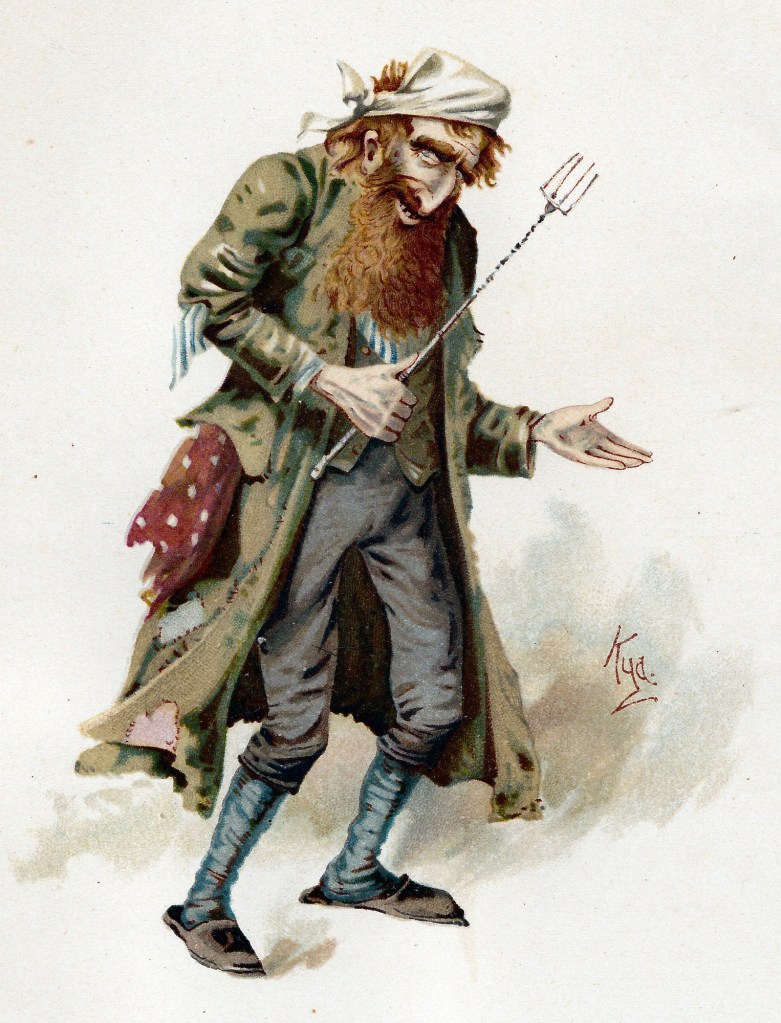
So, for lack of a better alternative, let’s blame Yeltsin. What’s he going to do . . . complain?
The name of that former KGB officer, by the way — for anyone who may not have guessed — was, and is, Vladimir Putin.
In any event, relations between Russia and the West have gone steadily downhill since then, and accelerated at an alarming pace since Putin decided to invade . . . excuse me, stage a “special military operation” (SMO) against . . . Ukraine in February of 2022.
But he wasn’t — as he had predicted — welcomed with open arms by the Ukrainian people, but instead met with greater-than-anticipated resistance from both the military and civilian population. And the SMO he had expected to end in total victory within days or weeks at the most dragged on . . . and on . . . and on, until now it is nearing the end of its third year.
What Putin also did not anticipate was the way in which the members of NATO and the EU came together to support Ukraine, which is not yet a member of either organization. And that really pissed him off. So he began the old blame game, trying to convince the world — and his own people — that Russia was simply defending herself against Western aggression.
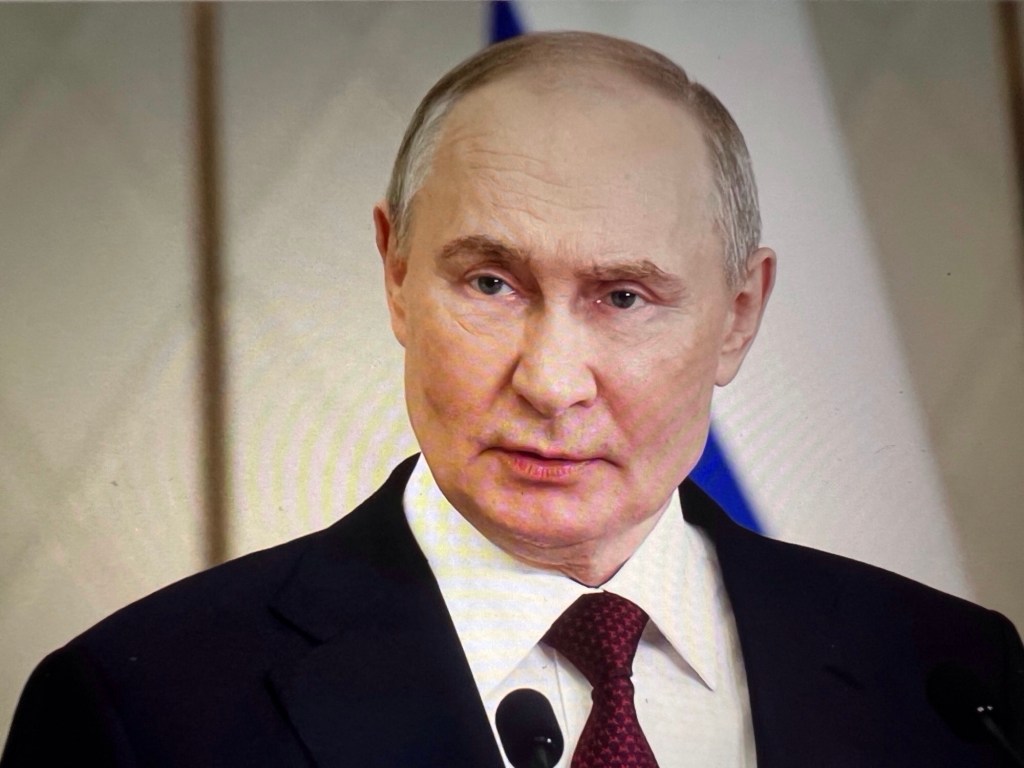
So he upped the ante, bringing out more troops and bigger, more deadly weapons, laying waste to larger and larger swaths of Ukrainian territory. And when Ukraine — after more than two years of death and destruction, finally began firing missiles back onto Russian territory . . . well, that too was labeled Western aggression that had to be defended.
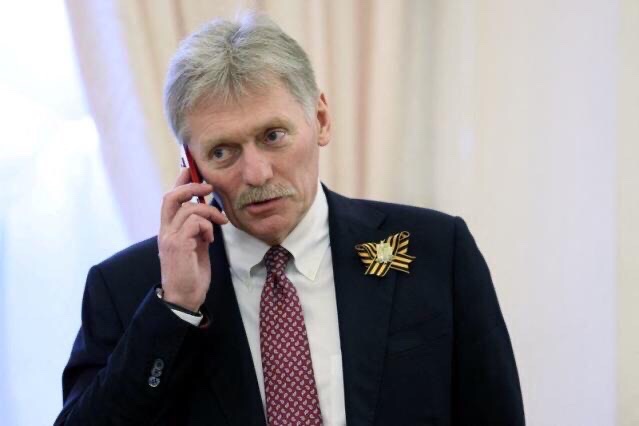
And the rhetoric, of course, had to match the actions. So for nearly three years we have heard from Vladimir Putin, Foreign Minister Sergey Lavrov, Kremlin spokesman (and still my all-time favorite) Dmitry Peskov, and a few non-governmental nut jobs for good measure, threatening increased retaliatory measures if we dare to . . . well . . . whatever.
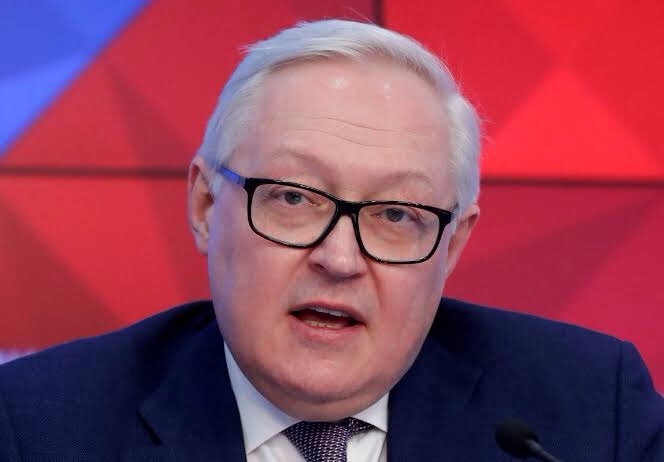
The latest such warning came this week from Russian Deputy Foreign Minister Sergei Ryabkov, who sat for an interview with CNN’s Fred Pleitgen in Moscow:
“Risks are high and they are growing, and that’s quite disturbing,” Ryabkov said, adding that the current geopolitical tensions had been unheard of even “at the height of the Cold War.” He continued, saying that there was “no magic solution” to the current conflict, and claiming that there is a lack of common sense and “restraint in the West, in particular the US, where people seemingly underestimate our resolve to defend our core national security interests.” [Frederik Pleitgen and Edward Szekeres, CNN, December 4, 2024.]
Likely in response to the U.S. announcement of an additional $725 million security assistance package for Ukraine this week, Ryabkov cautioned that the West should not underestimate the risk of military escalation, citing the United States’ “very obvious inability to truly appreciate that Moscow cannot be pressurized [sic] indefinitely. There will come a moment when we will see no other choice but to resort to even stronger military means.” [Id.]
He then seemed to moderate his tone slightly by adding that an escalation was unlikely to occur “. . . right away. But the trend is there.” [Id.]
*. *. *
Turning to the subject of the upcoming change in administration in Washington, and Donald Trump’s assertion that he could end the war in Ukraine in a single day, Ryabkov said, “We will be there when they come with ideas … but not at the expense of our national interest.” [Id.]
And as to direct peace talks with Ukraine, he maintained the positions of the two countries are incompatible:
“Chances for a compromise at the moment are zero. The moment people in Kyiv begin to understand there’s no way Russia will go the way they suggested — there might be openings and opportunities.” [Id.]
In other words, it’s Russia’s way or the highway.
So what else is new?

Just sayin’ . . .
Brendochka
12/6/24
 The Blog About Everything … and Sometimes Nothing