About 34 years ago, I was on a flight from Dallas (Texas) to Dulles (Washington, D.C.) when the pilot announced that we should all look out the windows on the left side of the plane, as we were about to pass a Stealth jet flying toward us in the opposite direction — undoubtedly a once-in-a-lifetime opportunity for most or all of us.
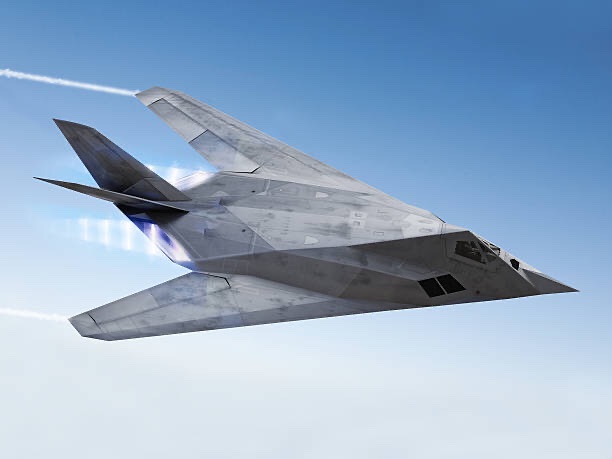
Luckily, not everyone on the right side of the aisle jumped out of their seats, or else the plane would likely have tipped precipitously to the left. And that big black bird was so fast there wasn’t enough time anyway. But it was quite a thrill for those of us who did get a glimpse.
That was then. Now it is 2024, and our ideas of excitement have been altered by three decades of technological advancement the likes of which the world has never before seen. If our great-grandparents thought electricity was something . . .
But it’s not just the good things that have changed: the medical advancements, GPS everything, “smart” everything, faster everything, artificial intelligence. (Actually, I’m still undecided about that last one, but a lot of people seem fascinated by it.)

Unfortunately, all of that technology has found its way into the armaments business as well. We have missiles, and drones, and delivery systems that would have made the ancient Chinese think twice about marketing that gunpowder stuff.
And now, instead of being told to look quickly to see the Stealth fighter passing by, passengers flying over parts of the Middle East are being warned that the objects tearing up the skies to the left appear to be . . . oh, they can’t be . . . but they are . . . they’re enemy missiles!
Holy crap!!!
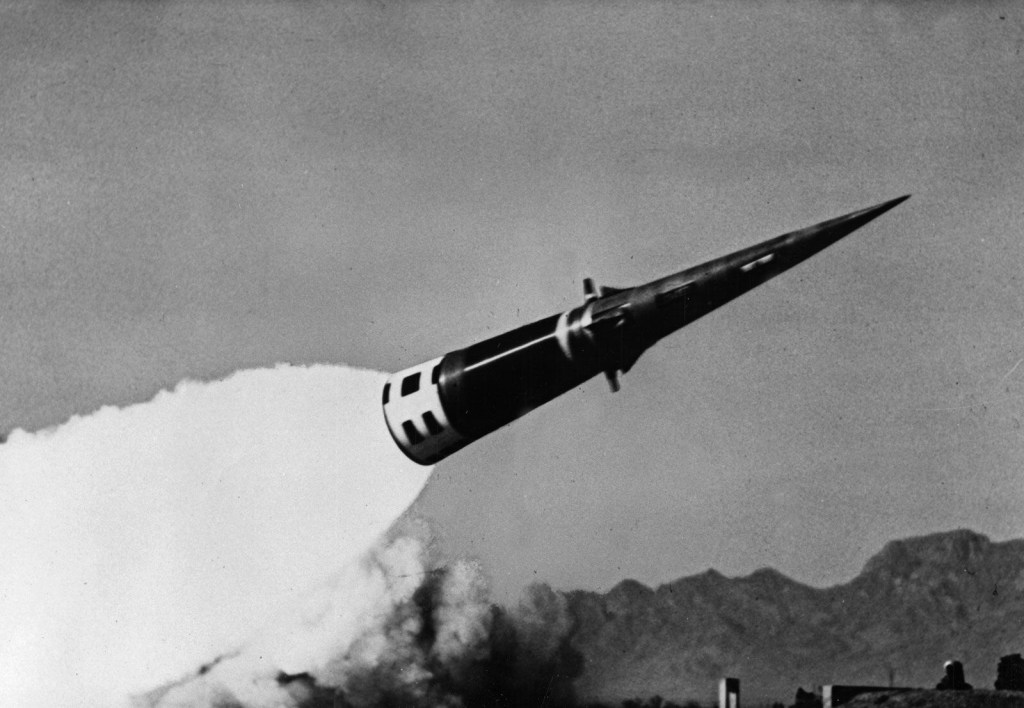
No, this is not a Leslie Nielsen “Airplane” movie spoof from the ‘80s. This is what has been happening to real people, on real flights, in real time. On October 1st, a passenger on an Emirates flight from Amsterdam to Dubai thought she was seeing fireworks. What she actually saw was a barrage of Iranian missiles headed to Israel. And hers was just one of scores of flights that had the same experience that day. [Benjamin Katz, Daniel Kiss and Peter Champelli, Wall Street Journal, November 21, 2024.]
In 2023, about ten missiles were fired in the area per month. So far this year, the average monthly number is up to 162. Pilots and passengers have spotted them in the air, and some missiles have struck near airports. No advance warnings have been issued to airlines by the militaries or militias, and airspace restrictions have been slow in coming. [Id.]
On October 1st, more than 80 flights were diverted because of the “fireworks” spotted by Emirates passengers. Other flights continued uninterrupted through what is one of the world’s busiest air corridors. Control towers in Iraq, Kuwait and Bahrain received air messages from pilots declaring emergencies and diversions, with some reporting that they could actually see the missiles:
“Missiles over Baghdad, over Najaf, over everywhere,” one pilot radioed. [Id.]
That week a lot of people were excited just to have made it to October 2nd.
*. *. *
I used to love flying: the thrill of leaving the ground, the promise of adventure awaiting me at the other end, the lovely onboard service, and the relief of the safe landing. It hasn’t been as much fun for quite some time now, with the increased security measures in the crowded airports, the cramped seating, terrible meals, angry passengers, and stressed-out attendants.

But now, if you’re lucky, all the inconveniences may be offset by the privilege of viewing a barrage of missiles being aimed at a faraway civilian population . . . or perhaps the anti-missile fire headed in the opposite direction from the targeted country.
And if you’re very, very lucky, they won’t be anywhere near your plane.

Safe travels, everyone.
Just sayin’ . . .
Brendochka
11/23/24
 The Blog About Everything … and Sometimes Nothing