I missed commemorating the anniversary by a day; but 35 years ago yesterday — November 17, 1989 — a revolution began in Czechoslovakia that was so non-violent it was later dubbed the “Velvet Revolution.” It began with a gathering of people in Prague’s Wenceslas Square. The crowd size on the 19th was estimated at 200,000, and by the next day had grown to a massive assembly of around half a million people.
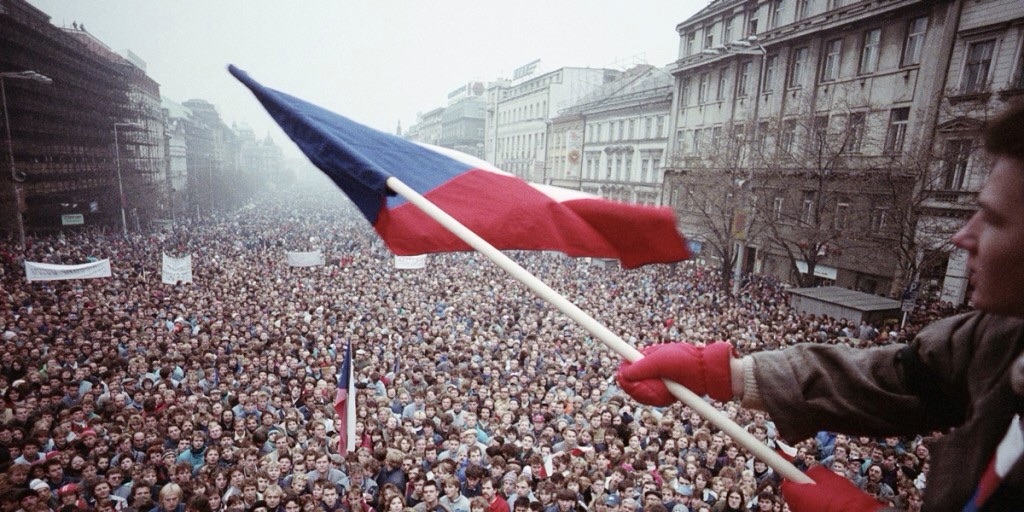
By November 24th, the entire top party leadership had resigned; on the 27th, a two-hour general strike by all of the citizens of Czechoslovakia was held.
And when it was over, on November 28th, the people of Czechoslovakia had overthrown the 41-year, Moscow-backed Communist Party rule, and the march toward democracy had begun.
Eighteen months later, I was given the golden opportunity to live and work in Prague for a few months, in the newly opened office of the American law firm in which I was working. Being reasonably intelligent, and up for a little adventure, I hesitated for about three seconds. That night, I started packing.
This is the story (in two parts) of that idyllic summer of 1991 in one of the most beautiful, historic, quirky cities in all of Europe: of the people (and dogs) I met, the things I learned, the laughs I had, and the sheer joy of stretching the boundaries of my life. If you’ve read my original posting, you’re certainly welcome to skip the rest; but if you haven’t, then I invite you to read on and spend a little magical time with me in Zlata Praha: Golden Prague.
*. *. *
In 1991, I was working in the Washington office of the Squire Sanders law firm, and feeling bored with my life in general, when a bit of manna from Heaven fell into my lap. Two of the partners — one from the home office in Cleveland — were discussing the firm’s foreign offices. I said, half jokingly, that if there was any thought being given to opening an office in Moscow, I’d like to volunteer. The Cleveland partner said there was not, but that they had a new branch in Prague in need of someone who could organize the office and help to train the Czech staff. He asked if I would be interested, and — assuming he was also kidding — I laughingly replied that I could be packed and ready in an hour.
Never assume anything.
A few short weeks later, I found myself, and my six pieces of seriously overweight luggage, on a plane to the historic capital of Czechoslovakia, where I knew absolutely no one. I also did not know the Czech language, but I had studied Russian, and since they’re both Slavic languages, I figured it couldn’t be that hard, right? This was going to be great!
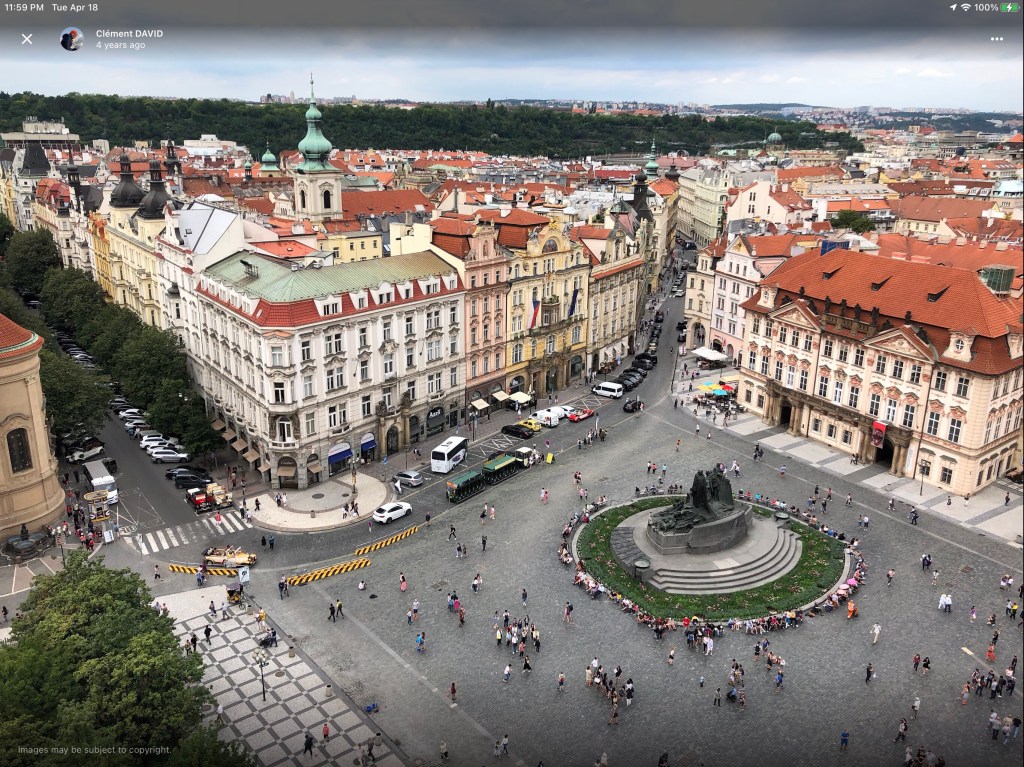
When my overnight flight landed at Prague, I found a very pleasant-looking young man named Rudy holding a sign with my name, and I met my first friend in my new home. On the ride from the airport, I discovered why Prague is called the Golden City: the name refers to the golden spires of its abundance of churches, the estimated number ranging anywhere from 100 to 1,000, depending on which travel guide you’re reading. Rudy drove me first to the apartment the firm had rented for me, about a kilometer from the office; dropped off my luggage; and then headed straight for the office along a very direct route that would clearly be an easy walk for me the next morning, and every day after that for the next three months.
I could not have arrived in Prague at a better time. It was May of yet another “Prague Spring.” But this time it was not about an anti-communist revolt as it had been when the Soviet Union invaded in 1968; it was, conversely, all about celebrating the departure of the last of the occupying Soviet troops that very week. Independence had at last returned to Czechoslovakia, and to the rest of Eastern Europe, after the fall of the Berlin Wall a year and a half earlier; and Prague had not stopped partying since.
My apartment was on the second floor of a generic Soviet-style building near the foot of a ridiculously steep hill. The hallway light operated on a timer and had to be switched on each time I entered the building or left my apartment, if I didn’t want to be groping around in the dark. The apartment itself had a fairly large bedroom, and a small living room, where there was a wardrobe with a man’s clothes still hanging in it. (I never did find out who they belonged to, and no one ever came to claim them.) There was also a tiny bathroom where the hot water ran reddish-brown for several minutes before clearing enough for a quick shower. A sit-down bath was out of the question. The kitchen contained a working refrigerator, stovetop and sink; but I never learned to use the oven, which showed temperatures in centigrade, or the Russian-made microwave, which I was sure would zap me with some sort of deadly rays if I dared try.
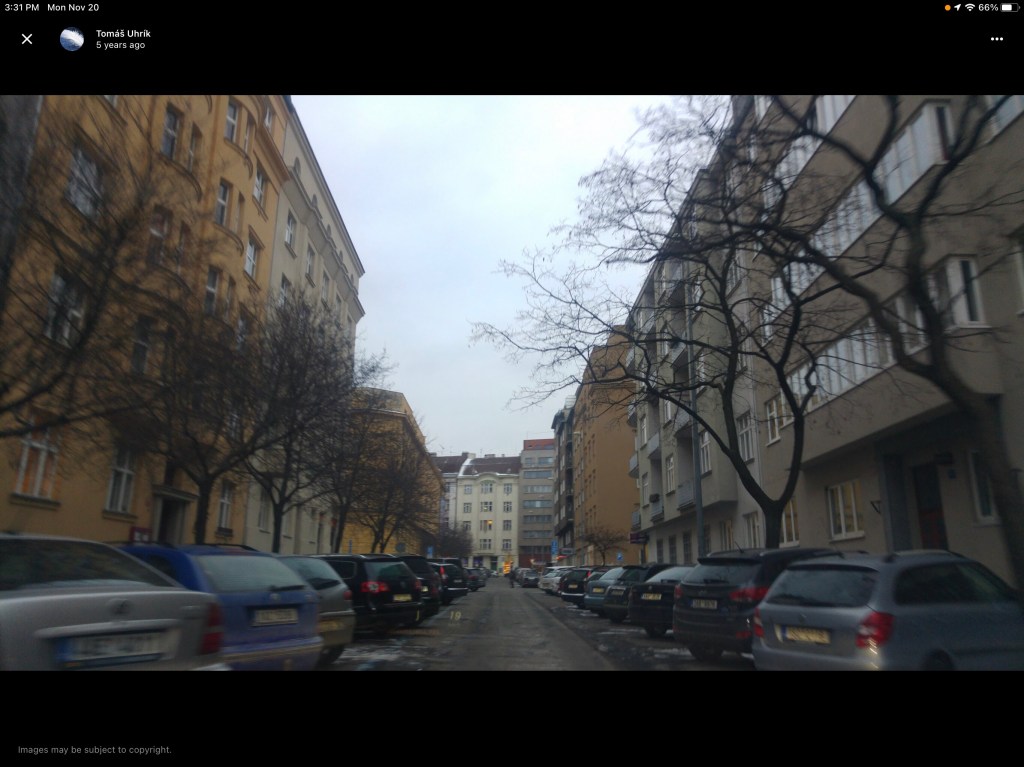
But none of that mattered, as I only slept, showered and changed clothes there. The rest of my time was spent at the office, followed by dinner every evening with one or more of my co-workers at any of the many outstanding restaurants the city had to offer, and sightseeing all weekend, every weekend. I quickly got into the habit of stopping on my way to work in the morning at a bakery near my apartment for fresh bread and pastries to share with all of my new colleagues, and Rudy brought in our daily supply of deli meats and cheeses for lunch.
On my first walk to work, I also discovered that I had seemingly been transported to Dorothy’s Emerald City. At the top of my hill was a store with a large sign that appeared from a distance to read “OZ.” Of course, my curiosity led me directly to it, and as I came closer, I found that those letters were — not the end of the yellow brick road — but the initials of the words “ovoshchi” and “zelenina.” Optimistically thinking that there must be a measure of similarity between the two Slavic languages, I tried to use my limited Russian skills to translate. In Russian, “ovoshchi” means vegetables, so that one was easy — or so I thought. But “zelenina” was a bit of a puzzle. I reasoned that it had to come from the root word for “green,” which in Russian is “zelyoni.” So, OZ seemed to stand for vegetables and . . . what? green things? — which obviously made no sense whatsoever. OZ was a produce store, all right, but it turned out that a Russian vegetable translated to a Czech fruit, and the “green things” were the veggies. My first foray into this new language was a complete bust, and it never did get much better. But I arrived at work that morning with a bag full of delicious fruit and green things.
The next day I got to the office to find that there was great excitement among all the employees, who included the aforementioned Rudy (our driver and jack-of-all-trades); another young man named Roman (our second driver and office courier); three very attractive, blonde young ladies all named Jana; Beata, who was a multi-lingual American paralegal of Czech birth; and a Czech-American attorney named Milan. It seemed that Rudy — a man of many talents, as it turned out — had scored a handful of tickets for a concert coming up the following weekend at the local football — soccer, to us Americans — stadium to celebrate the Russian exodus. The performer was none other than Paul Simon, of Simon & Garfunkel fame; and there was a ticket for me. And I’d only had to travel 4,300 miles to get there!

As if that weren’t enough, when we arrived at the packed stadium on Saturday evening, we discovered that an even greater star was in attendance: President Vaclav Havel, the hero of the newly freed, democratic Czechoslovakia. We were able to see him from our seats, and the excitement was palpable throughout the crowd. Welcome to Prague, Brenda. This was just the first week, and I had spent it with an American music icon, the President of Czechoslovakia, and a whole bunch of welcoming strangers, most of whose females seemed to be named Jana.

But Paul Simon wasn’t the only act in town. It happened that 1991 also marked the bicentennial anniversary of the death of one Wolfgang Amadeus Mozart, and throughout Europe his genius was being celebrated ad nauseum, all summer long. And I couldn’t get enough of it. Dragging various people along with me, I must have gone to a half dozen concerts. My favorites were held in a small theater on the banks of the Vltava River, and were called — if I remember correctly — “Mostly Mozart.” To the beautifully performed melodies and lyrics of the operatic arias (in the originally written languages), satirical plays were presented by the singers onstage that were absolutely hilarious; and somehow, the interplay of comedy and Mozart’s masterpieces just worked. “Wolfie” may have been turning over in his grave, but I loved it . . . and so, apparently, did the rest of Prague.
*. *. *
As for any spoken language barrier, I soon learned that everyone in the country had been required to study Russian during the Soviet occupation, but that most Czechs refused to speak it any longer, for obvious reasons. Along with their other freedoms, they were thrilled to have their native language back. But when I rode in a taxi or shopped in a local store, the conversation would usually go something like this:
Me (in Czech): “Dobry den” (“Good day”). Then, in English: “Do you speak English?”
Them (in German): “No. Do you speak German?” (It seemed they’d forgiven the Germans for the long-ago Nazi occupation, but the Russians . . . not so much.)
Me: “Nein.” (One of the dozen or so words I know in German, two of the others being Schweinehund and Dummkopf. You see how my mind works?)
Me (continuing, this time in Russian): “Maybe you speak Russian?”
Them (in Czech, and suddenly stiffening as though someone had shoved a pole up their butt): “No! No Russian!”
Me (still in Russian, and very apologetically): “Sorry. I’m American, and I only speak English and a little Russian. Can you understand me?”
Them (still in Czech, but now visibly relaxing): “Oh, American! Good! Welcome! Yes, I understand a little Russian.”
Problem solved. They would continue to speak in Czech, very slowly and with a lot of gestures; and I would respond in Russian, the same way. And somehow, we managed to communicate. Through the weeks, as I picked up some words and phrases in Czech, I would use a mixture of the two languages. Every cab driver in Prague came to know me and where I lived and worked — there weren’t a lot of American expats in Prague at the time, and a redheaded American woman who spoke to them in Russian was memorable. Being a good tipper didn’t hurt either.
*. *. *
Personal note: I hate beer. In my opinion, it’s bitter, it’s bloating, it smells bad, and it leaves a bad aftertaste. (I feel the same way about coffee, except for the bloating part). If that makes me weird, so be it. But the folks in Prague weren’t ready to accept that, and kept trying to convince me that their renowned Czech beer, Pilsner, was different and so much better. So one evening, when we were all out partying after work (not an unusual occurrence), I agreed to take a sip from Jana’s (it doesn’t matter which Jana’s) glass — and almost did a vaudeville-style spit-take. I’m sorry, but beer is beer, and I can’t tell a good brewski from a bad one. And I said so, as gently as possible. But I don’t think they ever forgave me for that.

I did, however, discover a local drink that I loved, and still keep in my freezer to this day, right next to the Stolichnaya vodka. It’s called Becherovka, and is a clear, herbal, after-dinner liqueur, to which I was introduced one evening at dinner when I happened to mention that my feet were killing me from all the sight-seeing along the cobblestoned streets of Prague. On their promise that it would relieve my pain, I tried a shot before dinner. And a second. It was uniquely refreshing, and couldn’t possibly do any harm — after all, it was herbal, wasn’t it? Well, after those two shots, and another one after dinner, absolutely nothing hurt. In fact, although I swore I was not the least bit lightheaded, I couldn’t feel my feet at all. Luckily, I wasn’t doing the driving. So who needs opioids — or even ibuprofen — when you’ve got Becherovka? I do limit myself these days to one or two small shots, but it’s still my pain-killer of choice. (BTW, it can be ordered online, if you’re interested, and over 21.)

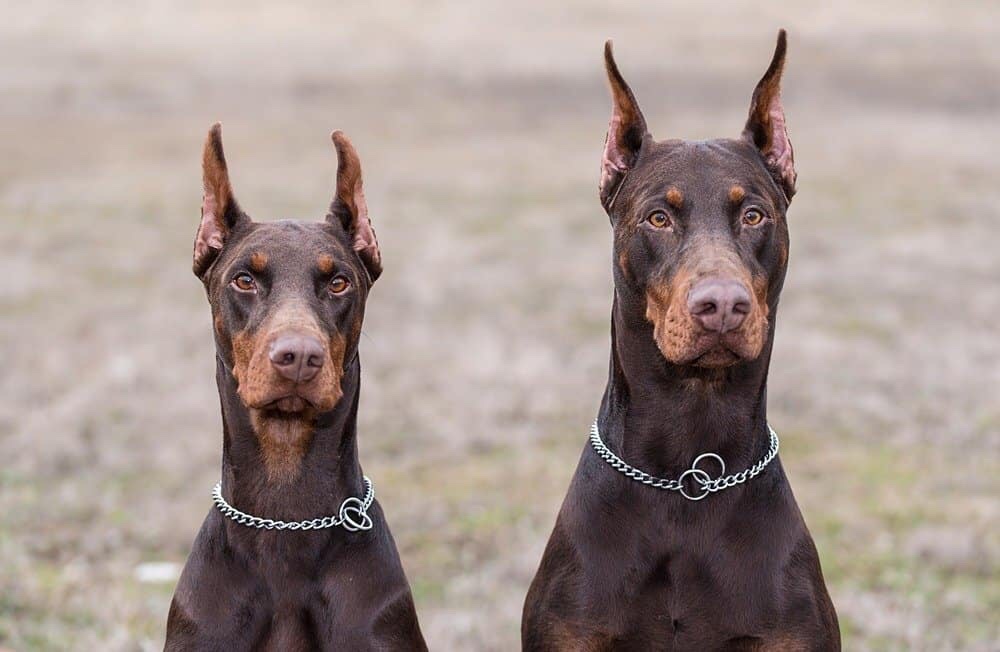
Then there was the night I met the Dobermans. No, not the nice Jewish couple next door; these two were from upstairs. When I got out of the taxi in front of my building after dinner one evening, there was a small group of men standing nearby, just talking and enjoying the mild summer air. One of them called out to me, but he was speaking Czech and I couldn’t understand him. Thinking they were just being neighborly, I gave them a friendly wave as I opened the door to my building . . . and was confronted in the dark hallway by two humongous, solid black, barking, drooling, straining-at-the-leash Doberman Pinschers, ears up and tails down, obviously looking for someone to kill. Someone like me. Startled out of my wits, I let loose with a primal scream . . . the dogs’ owner screamed in response . . . the dogs barked louder . . . and all the while the men on the street were roaring with laughter. That was what they had been trying to tell me: look out for the dogs, who had just come back from their evening walkies. And when my neighbor and I finally stopped screaming, we joined the others in laughing at ourselves. The dogs — who lived directly above me — turned out to be sweethearts, once they got to know me, and their owner was also quite friendly; though I would have preferred to meet them some other way — any other way.
Dogs are treasured as pets in Europe, just as they are here. And that included the dog belonging to the Czech Foreign Minister.
We had an American attorney working with us — a bright but spoiled young woman from a well-to-do family, who never quite adapted to the easy-breezy way of life in Prague. Our law firm had been retained by the new Czech government to advise and assist in formulating a new constitution and legal framework, and she — we’ll call her Valerie — had been assigned a desk at the Foreign Ministry where she worked pretty much full-time. As a convenience, she brought her lunch to work every day and kept it in the Ministry’s refrigerator, as did many others.
Now, I have to insert here that Valerie was, shall we say, less than popular with the Ministry staff. She had way too much Attitude. On the day in question, the Foreign Minister was leaving town on government business, and had brought along his beloved dog — a terrier, I believe — to hand over to a friend who was going to care for the pooch during his master’s absence. The Minister parked in his usual spot in front of the building, opened the driver’s-side car door, and before he could turn around, his dog ran out into the street — and directly into the path of an oncoming vehicle. The poor baby was killed instantly as his owner watched, helpless.
Needless to say, the Minister was devastated, but was unable to cancel or postpone his official trip at the last moment. So he had to make some hasty arrangement for his dog until a funeral could be planned for the following week. And this being Prague, the solution turned out to be . . . well . . . unique.
When Valerie arrived for work a little later that morning, no one took the trouble to warn her that anything was amiss. She went directly to the kitchen to put her lunch into the refrigerator, and had one item that needed to be kept frozen. So she opened the freezer door . . . and let out a SHRIEK that must have been heard in Belgium. Because in the freezer — staring sightlessly out at her, arms and legs akimbo, a silvery frost already forming on his fur and his little black nose and protruding pink tongue — was the Minister’s dog. The Minister’s dead dog. Sad . . . stiff . . . broken . . . bloody . . . undeniably, irretrievably dead doggie . . . without so much as a blanket or a newspaper to cover his sorrowful condition. And the shrieking continued, while all around her, Valerie’s co-workers were laughing their asses off. Not at the dog, of course, but at her. They really didn’t like her.
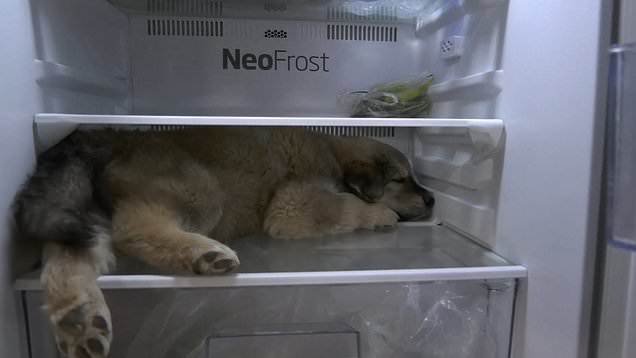
You will be relieved to know, incidentally, that that unfortunate, cryogenically-preserved canine received what was reportedly a lovely burial the following week in the Minister’s home town, alongside all of his previous pets. I assume he was thawed first. The dog, not the Minister. Requiescat in pace — R.I.P., little pup.
Prague seemed intent on getting back at Valerie for not being happy there. Sometime during the summer, we suffered a city-wide power failure for nearly an entire day. As the locals were fond of saying, “Oh, well . . . that’s Prague.” While the rest of us enjoyed a lunch at a nearby restaurant, consisting of cold cuts and fresh vegetables, with potatoes cooked slowly over a huge collection of candles (Czech ingenuity at its finest), Valerie was stuck in the elevator at the Ministry. Stranded alone in the car, she again displayed her usual aplomb in times of crisis: she screamed, pounded the elevator door, screamed some more, repeatedly pushed the buttons to all the floors . . . and continued to scream for someone to get her the %#*#& out of there. When stressed, it seemed her upper-class upbringing went directly down the drain. She was, of course, ultimately rescued. But no one was in the least surprised — or in the least saddened — when she finally was granted a transfer back to the States.
*. *. *
Valerie may have considered Prague to be a living theatre of the absurd; but to me it was an endless tapestry of humanity at its best, and life as it is meant to be lived: freely, joyously, and always hopefully.
There is so much more to tell about that summer in Prague — water shut-offs, Gypsies, German tourists, rotisserie chickens, a Catholic priest, Chanukah candles, and more — so I’ll have to make this a two-part chapter. See you next time for the rest of the story.
TTFN,
Brendochka
2/23/23 (re-posted 11/21/23 and 11/18/24)
 The Blog About Everything … and Sometimes Nothing