November 9, 1989: The day the Berlin Wall came a-tumblin’ down.
It had stood since 1961, ostensibly to prevent Cold War spies from West Berlin entering communist East Berlin . . . though in reality accomplishing just the opposite: keeping the captive East Berliners from fleeing to the free Western sector.
It stood for 28 years, during which time thousands of people did manage to escape. But 140 or more lost their lives while trying to get to the other side of the Wall, many of them shot by the East German border guards. [RadioFreeEurope/RadioLiberty, November 8, 2024.]
And then, finally — 35 years ago today — it was breached.
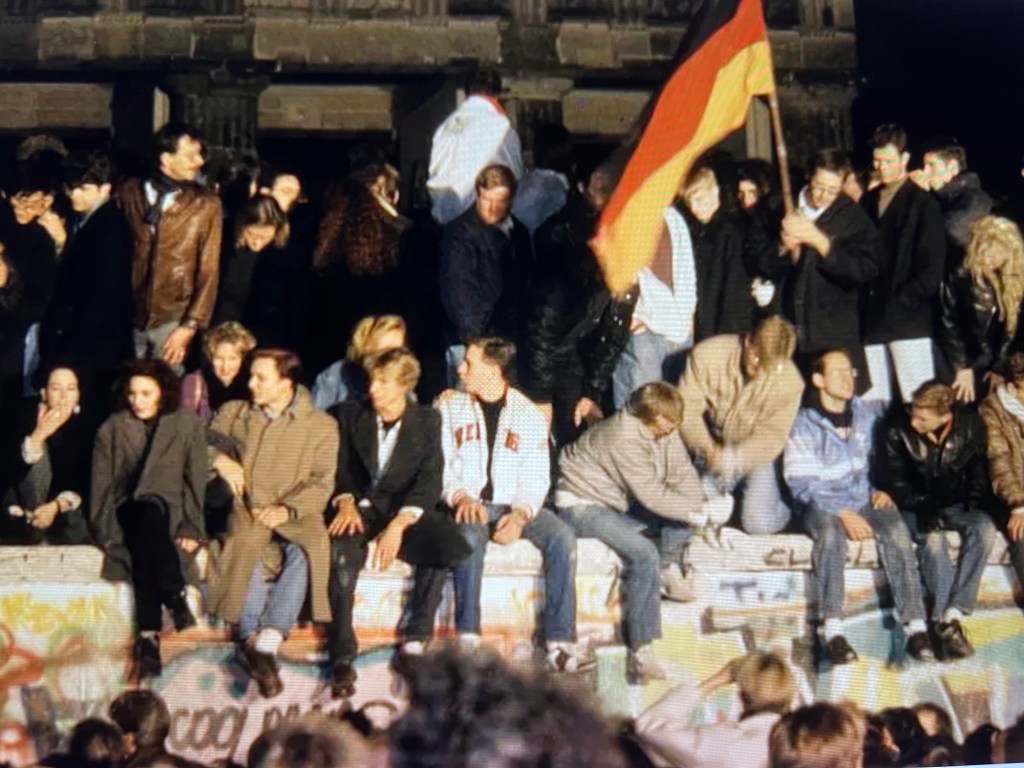
It was partially due to a misunderstanding by an East German spokesman of the new rules concerning issuance of visas to visit the West — rules that had been promulgated in response to increasing protests. The spokesman, Gunter Schabowski, was hastily handed the rules and had no time to review them before his press conference that day. What he read aloud was this:
“Private travel outside the country can now be applied for without prerequisites.”
Pressed by the shocked journalists for verification, he looked through his notes and said that as far as he was aware, it was effective immediately. [BBC, November 4, 2019.]
That was all it took for the crowds of East Berliners to begin heading for the Brandenburg Gate in the city center. The border guard in charge that night, Harald Jager, called his superiors frantically asking for orders, but they neither said to open the gate nor to open fire on the crowd. Fearing a stampede and a possible massacre, he gave the order to open the gate. [Id.]
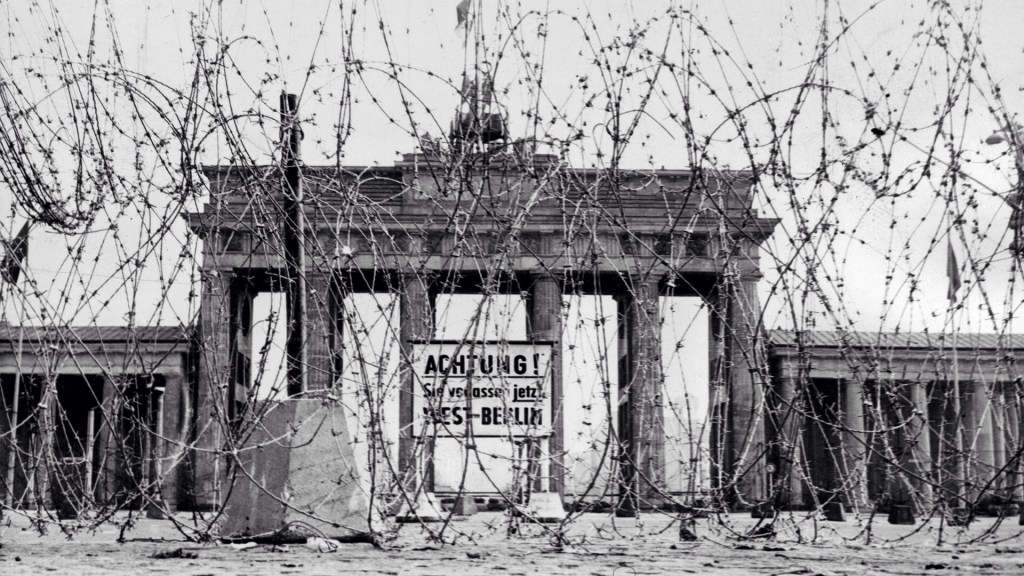
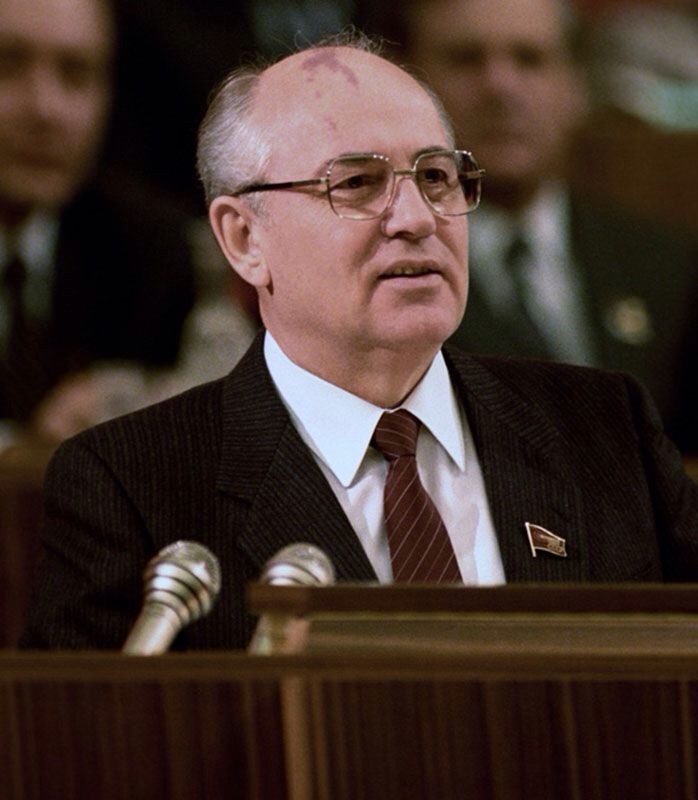
Throughout that year, movements had been growing in other parts of communist Eastern Europe: in Poland, Hungary, Czechoslovakia, and the three Baltic states of Latvia, Lithuania and Estonia. And the reformist General Secretary of the Communist Party in Moscow, Mikhail Gorbachev, decided not to use military force against the Eastern Bloc countries outside the Soviet Union itself, in order to avoid potential revolutions.
And history, as it had been known since the time of the Russian Revolution of 1917, reversed course. All of those Eastern Bloc countries (and more) regained their independence; and in just two years, in December of 1991, the Soviet Union itself splintered, creating fifteen additional separate nations. And so it has remained for 33 years.
Until now.
*. *. *
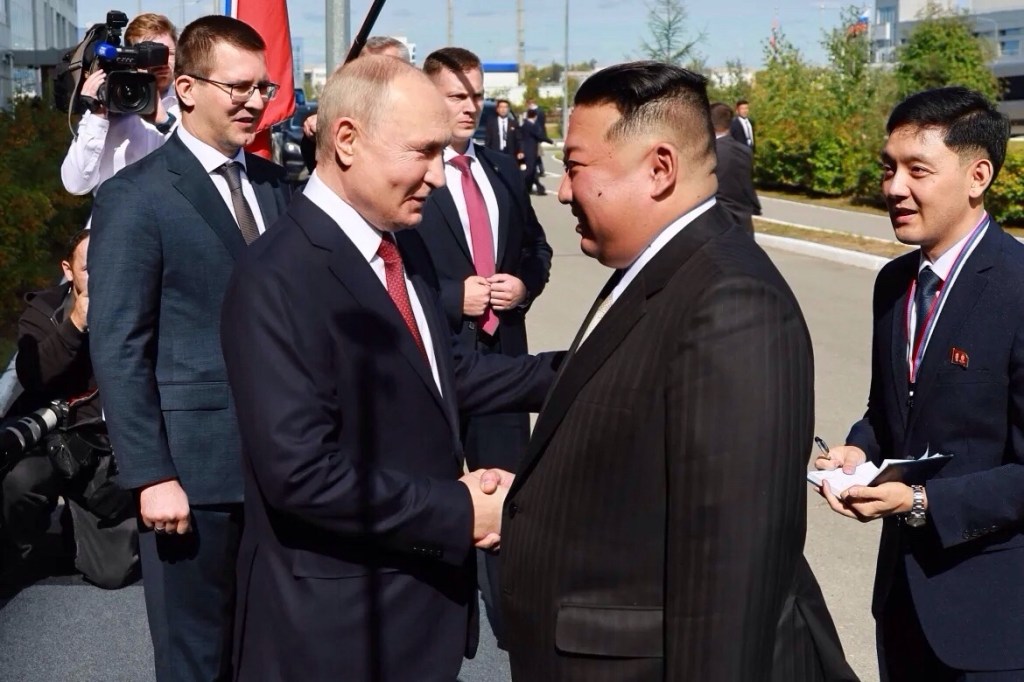
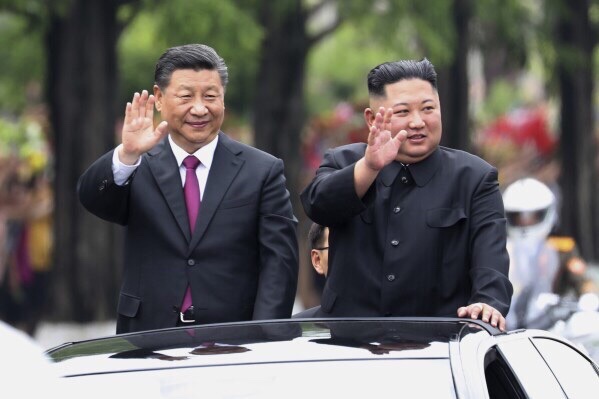
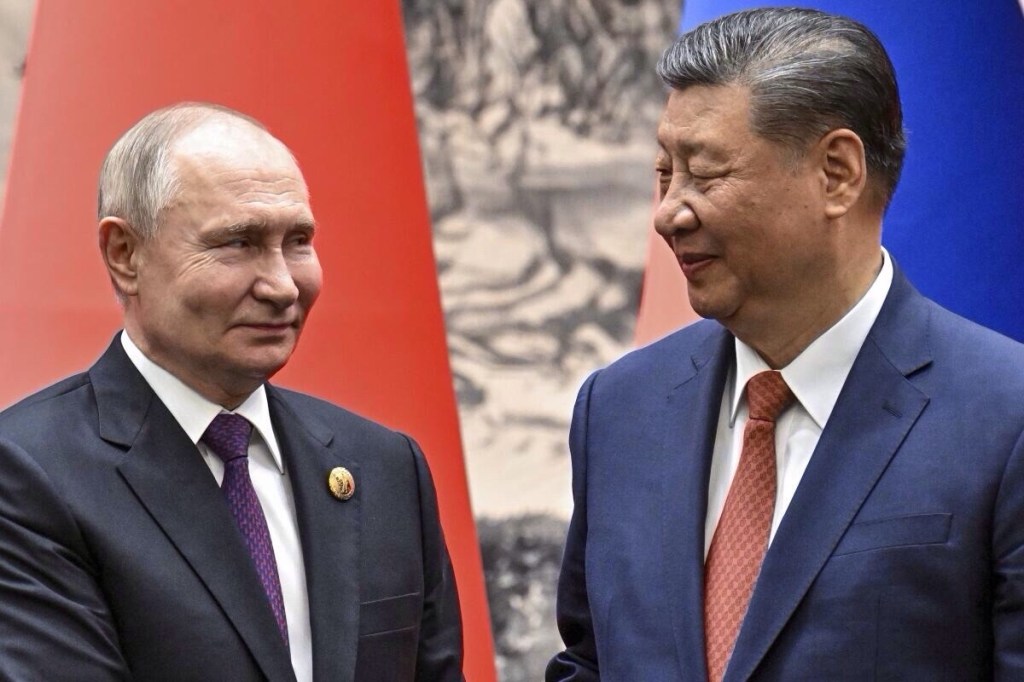
Because today, after three decades of political, economic and social reforms, there are ominous signs of backsliding in some of those Eastern European and former Soviet countries — a trend toward more authoritarian rule . . . toward strengthened relations with Moscow . . . away from Western democracy.
And, as history has so often shown us (if only we had been paying attention), it takes just one determined person, or a small handful of like individuals, to start the rebuilding of that Wall.
Just sayin’ . . .
Brendochka
11/9/24
 The Blog About Everything … and Sometimes Nothing