November 9, 1938: Kristallnacht. The Night of Broken Glass.
It was the beginning — though no one could then have anticipated the horror of it all — the beginning of what would come to be known as The Holocaust.
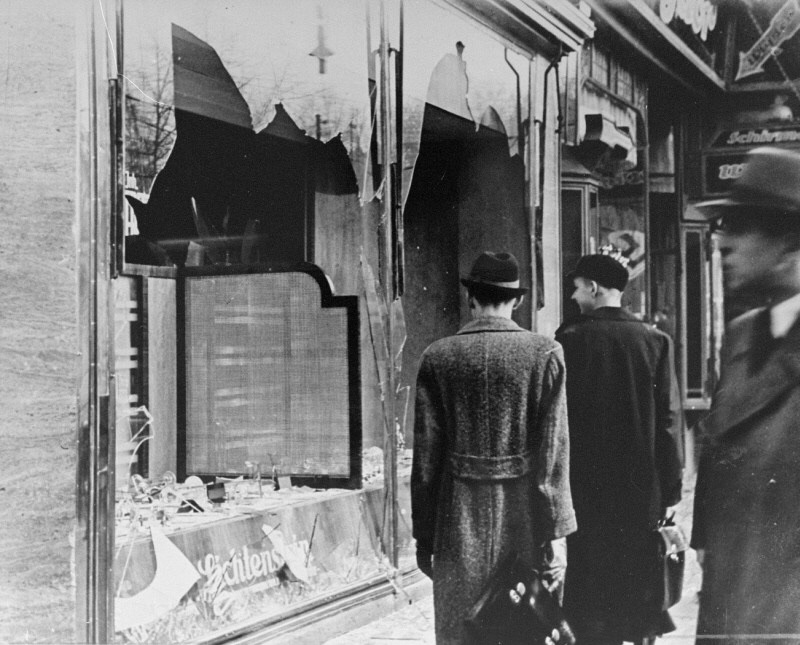
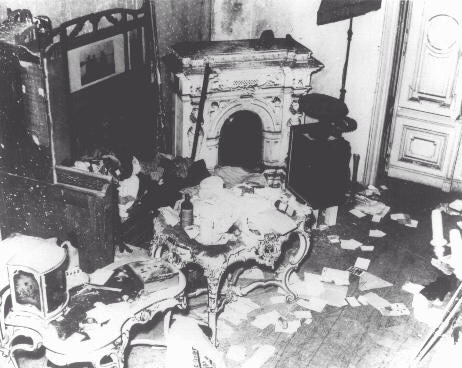
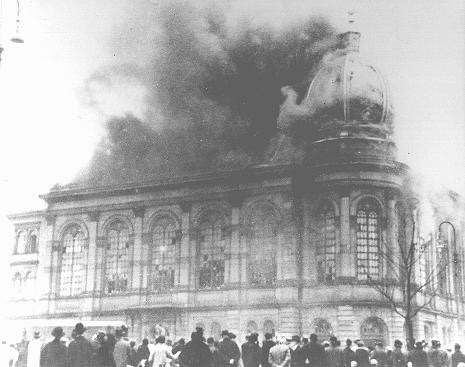
It lasted through the night and the next day: German Nazis smashing their way through the homes and businesses of the Jews of Germany and Austria, later dubbed “Kristallnacht” after the piles of glass from the countless broken windows to be seen everywhere. The rampage left around 100 Jews killed, some 7,500 Jewish businesses damaged, and hundreds of synagogues, homes, schools and graveyards vandalized. An estimated 30,000 — thirty thousand! — Jewish men were arrested, many sent to concentration camps for several months and only released when they promised to leave Germany. [This Day In History, November 9, 2024.]
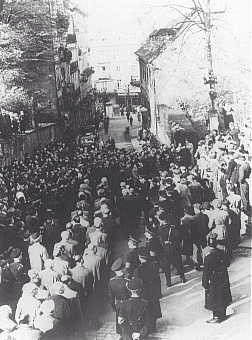
What was the reason — the excuse, really — for the sudden explosion of violence that night? It had begun with the deportation of tens of thousands of Polish Jews from Germany back to Poland. Among them were the parents of one Herschel Grynszpan, who took revenge by shooting to death a low-level German diplomat named Ernst vom Rath. [Id.]
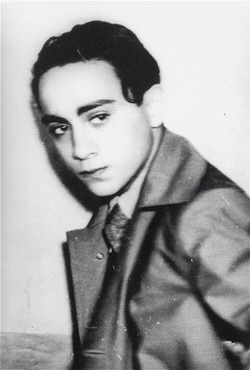
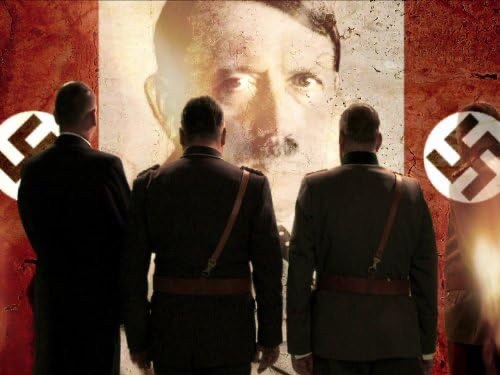
Nazi propaganda minister Joseph Goebbels took advantage of the situation and ordered his storm troopers to lodge “spontaneous demonstrations” against the Jewish population; local police and fire departments were instructed not to interfere. [Id.]
But that wasn’t enough for the Nazi regime. They blamed the Jews for the death of vom Rath. They were fined the equivalent of $400 million dollars (in 1938 money), their property seized to cover the payment of the “debt.” [Id.]
There were worldwide expressions of outrage, and some countries went so far as to break off diplomatic relations with Germany. But the Nazis escaped any serious consequences, and went on to commit the genocide now known simply as The Holocaust.
The rest, you already know.
*. *. *
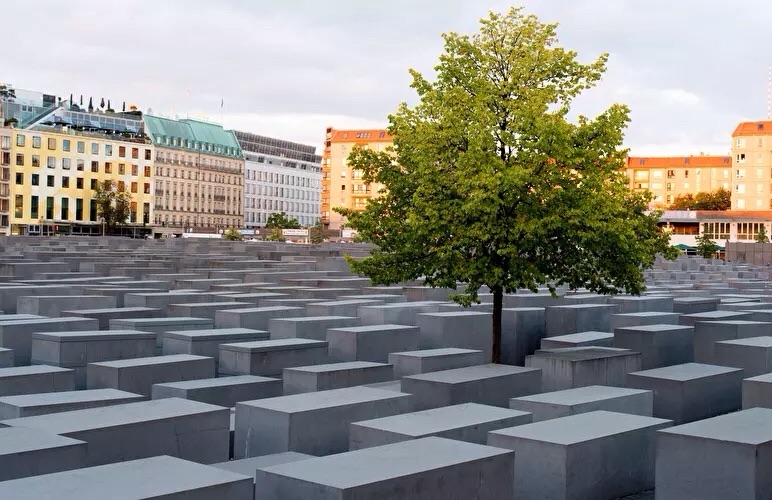
And this is a reminder of the end of it: the Memorial To the Murdered Jews of Europe, better known as Berlin’s Holocaust Memorial. The ground there is intentionally not level; it rises and falls unexpectedly, creating a sense of disorientation, of trepidation.
As I walked among those nameless stones some 65 years after the fact, I tried to imagine six million of them — one for every Jewish victim of Adolph Hitler’s mad plan of extermination. But I couldn’t.
It was the one painful day of an otherwise beautiful vacation trip. And it was the day I remember most clearly . . . as we should all remember that time in history.
So that we never forget. So that it never happens again.
Just sayin’ . . .
Brendochka
11/9/24
 The Blog About Everything … and Sometimes Nothing