The larger question would be: Is it actually broken . . . broken enough to require fixing? And some think it is.
From the beginning, the Security Council has been comprised of five permanent members (the P5): the United States, United Kingdom, France, Russia and China. Other countries alternate as non-permanent members, but without the crucial veto power held by only the five permanent members. Note that those five do not include any nations from the Middle East, Africa, Latin America, or the Caribbean.
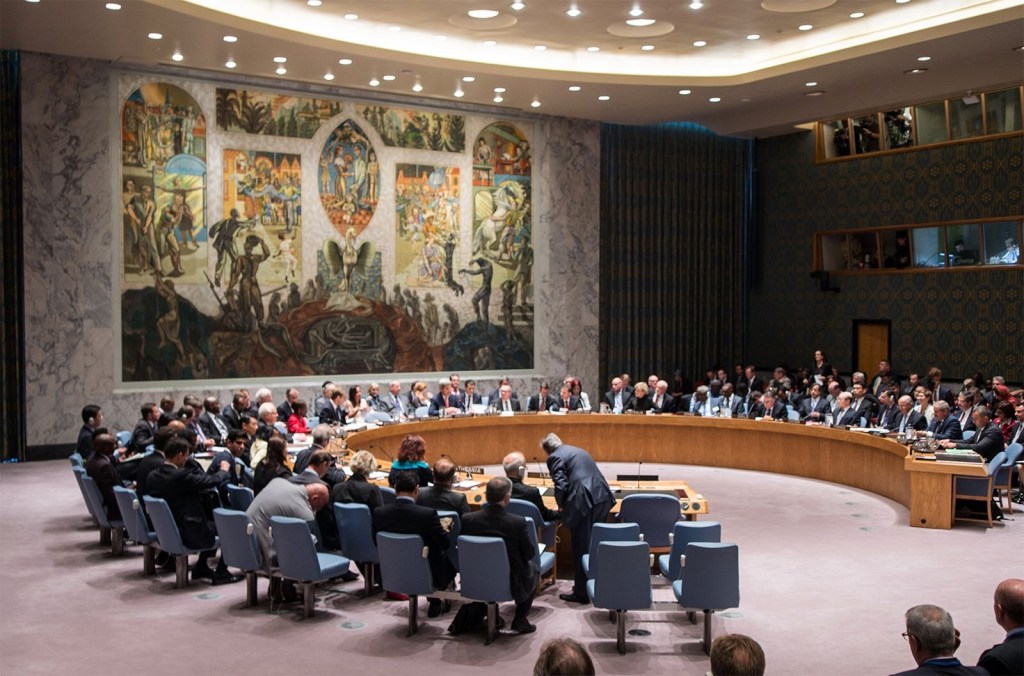
With the Council’s annual meeting coming up in September, Africa in particular is pressing for changes that would reform what is being called the “colonial-era world order.” [Tara John, CNN, August 28, 2024.] And Sierra Leone’s President Julius Maada Bio is urging the inclusion of two new permanent member seats for African countries.
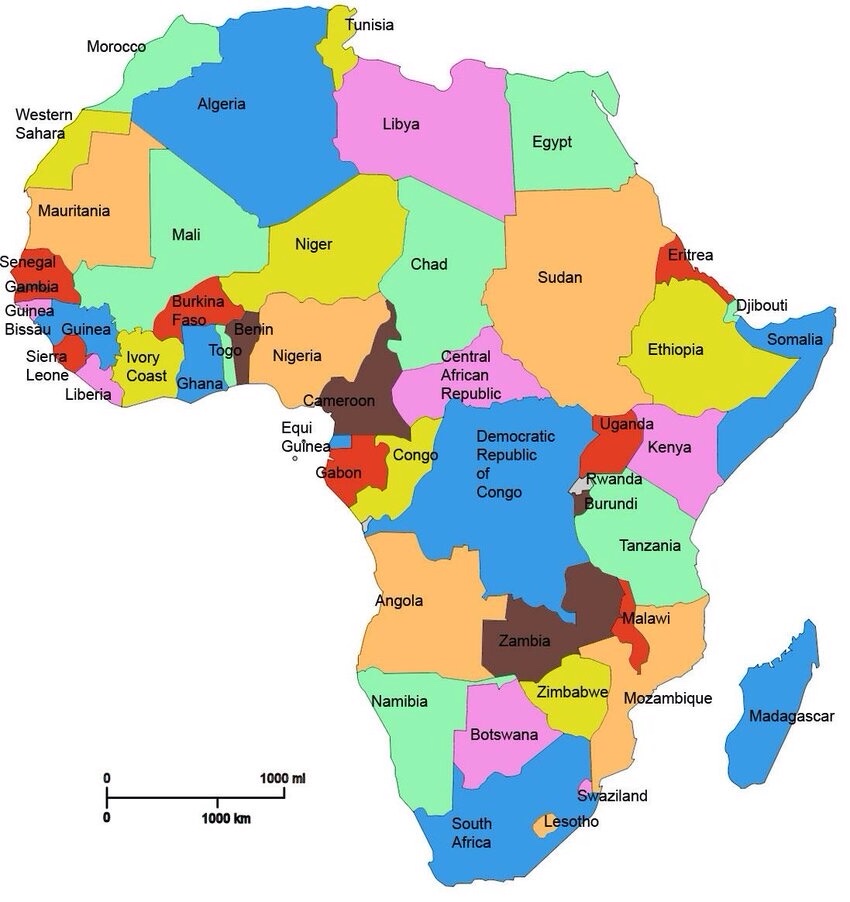
There are logical, solid arguments on his side. There are 54 African countries in the African Group of the UN. The continent contains more than one-fourth of the UN member states, and more than a billion people — but, as President Bio stated — is “grossly underrepresented in this vital organ of the UN.” Further, “African issues take up nearly 50% of the Council’s daily business, and the bulk of its resolutions concerning peace and security.” [Id.]
I certainly see his point; it would be difficult not to — although I do think one seat on the Council would be proportionally more suitable. However, one other thing worries me, and it was alluded to in the CNN article:
“A senior diplomat at the UN told CNN that Africa currently holds a lot of sway among the P5 countries, the final arbiters on any reform, as Russia and America scramble for influence in the continent.” [Id.; bold emphasis is mine.]
And there it is: not so much about the “scramble for influence,” but more concerning the already-existing Russian influence in much of Africa. In addition to the decades-long paternalistic relationship of Russia with numerous African countries, there is the more recently increased presence of the so-called “Africa Corps” — the reincarnation of the late mercenary Yevgeny Prigozhin’s Wagner Group — in countries such as Libya, Mali, the Central African Republic, Burkina Faso, Niger, and Guinea Bissau. And behind it all, Russia’s ultimate goal of a “new world order.”
If the Africa Group were to be granted Security Council permanent membership, which country or countries would be chosen to fill the seat(s)? And what assurance would there be that their votes would not be swayed — even controlled — by any obligation they may owe to Russia, or that they wouldn’t be caught in a political tug-of-war between Russia and one or more of the other permanent members?

These are complex, difficult questions, which I am not qualified to answer. But they are so important, I felt the need to ask them.
Just sayin’ . . .
Brendochka
8/30/24
 The Blog About Everything … and Sometimes Nothing