As parents, we spend our lives trying to protect our children; it’s our duty, and it’s an inherent instinct. When they’re little, we keep them from falling, or swallowing drain cleaner, or sticking their little fingers into light sockets. Later we buckle them into car seats, make sure they take their vitamins, and keep them away from the next-door family that’s been quarantined with Covid. And when they’re grown . . . well, we hope all our good advice over the years has stuck, and we pray a lot.

But where does that stop? One of the hardest things about being a parent is knowing when to let go . . . when the advice becomes nagging, and when the protecting becomes over-protecting. And if we don’t figure it out for ourselves, at some point the kids will let us know — hopefully, not too harshly.
But in today’s society, “protection” is not just about families. With all of the conflict in the world — the wars, the political animosity, the anger, the pure hatred — we have to protect ourselves from the possible adverse effects of all of those things. And with the advent of social media, which spreads thoughts and feelings at what feels like the speed of light, the people responsible for those sites also have a responsibility to protect their users from potentially harmful material.
And that’s where the question becomes: When does protection become censorship?
That’s a debate that’s been ongoing for some time, and now I’d really like to know the answer. Because I’m gearing up for a battle with Facebook over their recent removals — three times — of my posts.
The first two were on the grounds that I was seeking “likes” and “shares.” And I’d like to know, first of all, WHO THE HELL DOESN’T DO THAT?? Don’t we all post our thoughts on FB in the hope that people will see them and enjoy them? Don’t we get a good feeling when we see a few “likes” pop up? We’re not writing just to have our words go flying out into an endless void. We want to be seen. So I asked for a review of those unexplained decisions, but have never heard back.
The third one happened yesterday, and it’s really got me both puzzled and pissed, because it makes absolutely no sense. But here’s what happened:
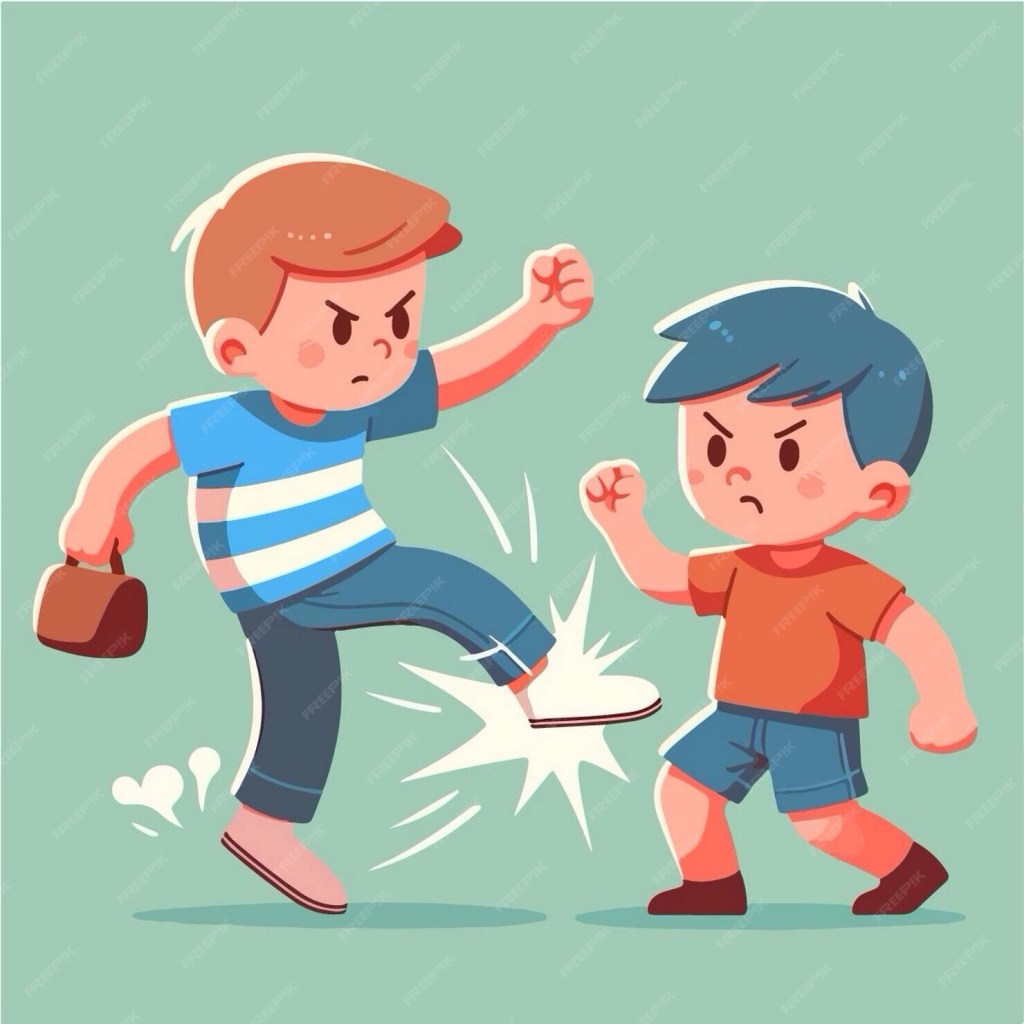
I write a lot about world events, focused mainly on Russia and Eastern Europe. So yesterday I posted my thoughts on a news item that came out of Belarus, which I titled “Hey, Belarus — Are You Trying To Start Trouble?” I had included three pictures: one of the Belarusian Defense Minister, one of President Aleksandr Lukashenko, and a cartoon shot of two little boys fighting — in that order. When I shared the blog post on Facebook, the picture that showed up in the “squib” was not the first one as usual, but the one of Lukashenko. Okay, no big deal.
And then came the notice that it had been removed because I was seeking likes, shares, etc., “in a misleading manner.”
Sorry . . . What?? What was misleading about that? So I thought maybe someone didn’t like my title, and I changed it to “What Is Belarus Up To?” and re-posted it . . . with exactly the same response: removed, for the same “reason.” (And with the same strange featuring of the second picture.)
Well, I was annoyed, because it made no sense, and there was no logical explanation given. So first I wrote another blog article blasting Facebook, posted it, shared it on FB — and changed my mind because anger never has gotten me (or anyone else) anywhere. So I deleted it, and re-did the original article one more time. This time I removed the picture of Lukashenko entirely, leaving only the first photo of the Defense Minister and the final one of the two little boys. I changed the title to: “‘White Russia’: Playing Games,” with a note that “White Russia” is the English translation of Belarus’ original name, Belorussia. And I did not change a single word of the text.
This time it was posted with the cute little cartoon picture of the two boys, and it was “permitted” to remain online.
And this is what I don’t get: What was wrong with the first two postings? I’ve written about Belarus and Lukashenko before, and used his picture, with no problem. I don’t write inflammatory articles; they’re not always complimentary, but I’m definitely not looking to start a war, incite a riot, or even invite an argument.
I would like to know who makes these decisions, and how those people are chosen for the job. And here’s a really terrifying thought: Are they even real people; or are they a bunch of those creepy AI characters — the human impersonators — that keep popping up on my screen in ads and supposed news items about the British royal family? Are we being judged by robots?
It’s certainly not an easy task — deciding where to draw the line between appropriate and offensive — and it has to be done in a consistent and fair manner. What are their parameters? Why was I singled out, when I read some really nasty stuff on FB every day?
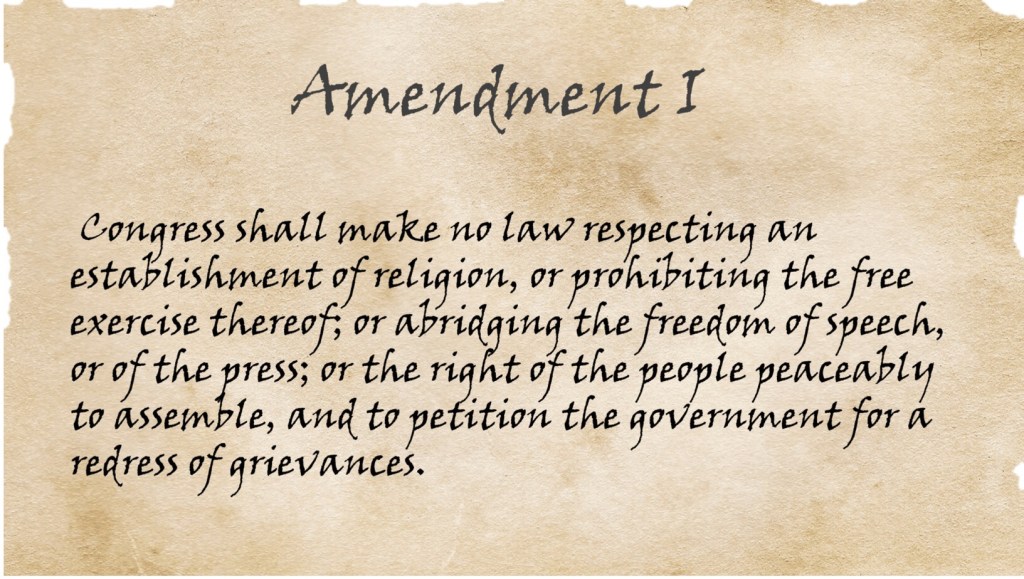
And finally . . . how do I get an answer to these questions? I want to know why someone (or something) thinks I broke a rule — and what that rule is — so that I don’t do it again, and so that I can explain my original motivation. This is, after all, the United States . . . the land of free speech. Isn’t it?
I just want to be heard. But first I need someone to listen.
Just sayin’ . . .
Brendochka
8/19/24
 The Blog About Everything … and Sometimes Nothing