Oleg Orlov is stateless.
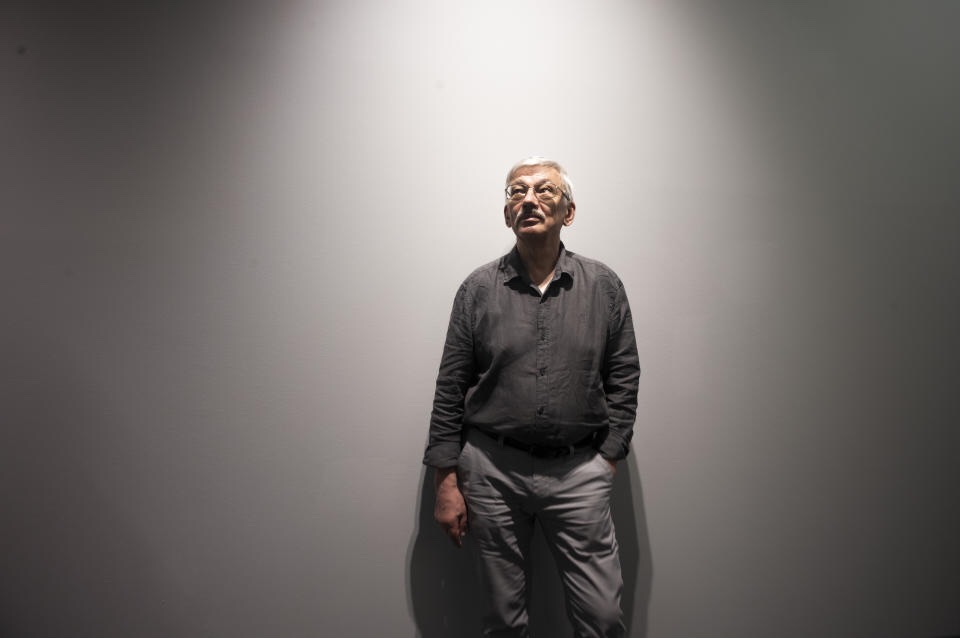
At 71, the Russian human rights activist found himself in prison in February of this year, sentenced to 2-1/2 years for writing an article opposing the war in Ukraine — something that would never have happened in the pre-Putin days.
Like most Russians, Orlov had high hopes for his country following the dissolution of the Soviet Union in 1991 and the passage of democratic reforms. But the euphoria of that decade was not to last far into the new millennium. With the accession to the presidency of Vladimir Putin in 2000, it all began a rapid downhill slide back to the days of suffocating repression, onerous new laws against dissent, and totalitarian enforcement. And Orlov’s words were used against him.
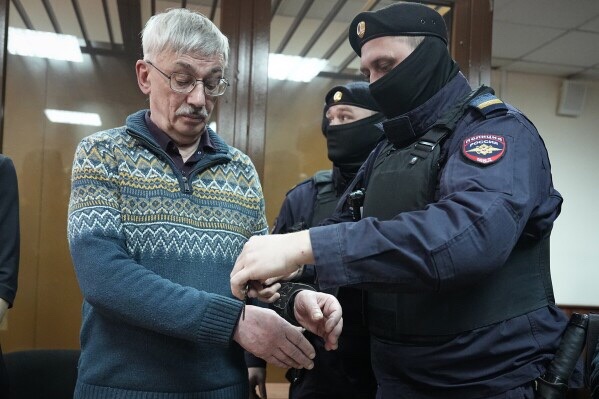
He didn’t know, of course, that he was being warehoused as another pawn in a highly secretive political operation that was to culminate in an historic prisoner exchange between Russia and seven Western countries in the near future.
But less than six months later, he was unexpectedly moved from his jail cell in central Russia. He expected the worst: a transfer to a penal colony. But that didn’t happen. First he was told to write a clemency request addressed to Putin, which he flatly refused to do. Then he was driven in a van to an airport in Samara and flown to Moscow with a number of other people.
In Moscow, he was placed in the notorious Lefortovo Prison, where he was kept in isolation for three days — not even allowed access to his lawyer. Orlov feared that the authorities were simply building another, more serious case against him. Although he knew he had committed no crime, he said, “They would find [one] without a problem. The repressive machine . . . has been put in motion and it runs on its own. The machine works to sustain itself and can only intensify the repressions, make them harsher.” [Dasha Litvinova, Associated Press, August 9, 2024.]
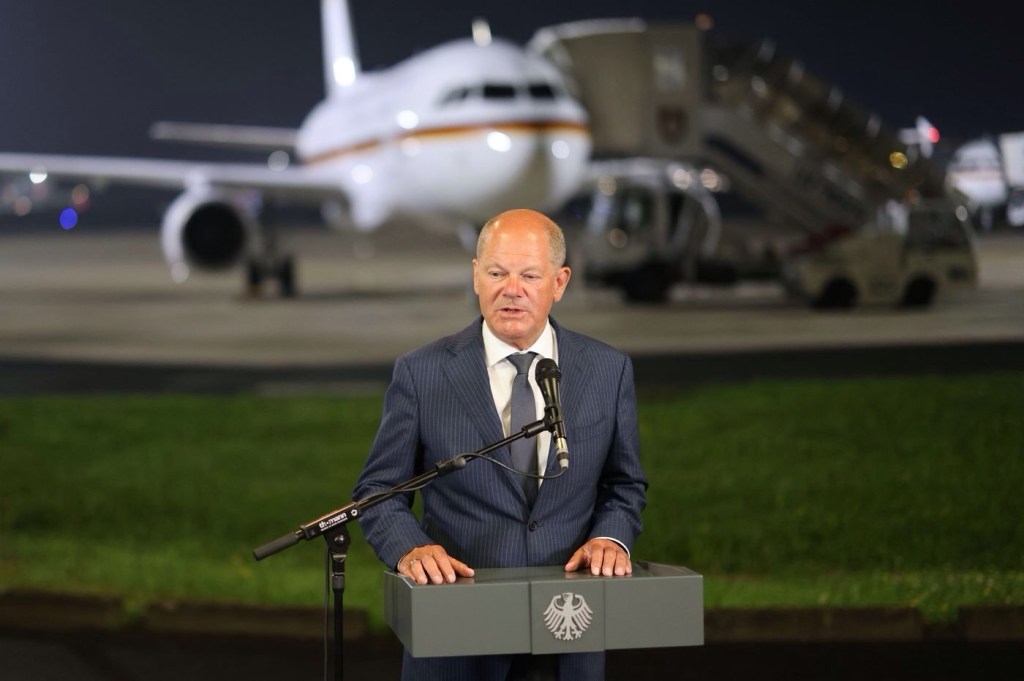
Finally, however, he was given a document saying that he had been “pardoned,” and put onto another plane, this time with other dissidents who had likewise been freed. Miraculously, they were flown to Germany, where they were greeted by Chancellor Olaf Scholz.
A happy ending? Well, yes and no. The unjustly imprisoned dissidents were free; but they were also homeless. They had not been allowed to remain in their homeland, but had been shipped off to Germany without their consent. What the future holds for each of them is as yet unknown.
Orlov — co-founder of the Nobel Peace Prize-winning rights group Memorial — has vowed to continue his work with the group. He says there are things that can be done, even from outside of Russia, such as maintaining the database of political prisoners and coordinating assistance to them. And as long as there are still political prisoners — estimated by Memorial at more than 760, and as many as 1,300 according to another rights group, OVD-Info — the work must continue.
Because, as Orlov says, the horrors will only be stopped when Putin’s “repressive, terrorist regime” ceases to exist. [AP, id.]

Just sayin’ . . .
Brendochka
8/10/24
 The Blog About Everything … and Sometimes Nothing