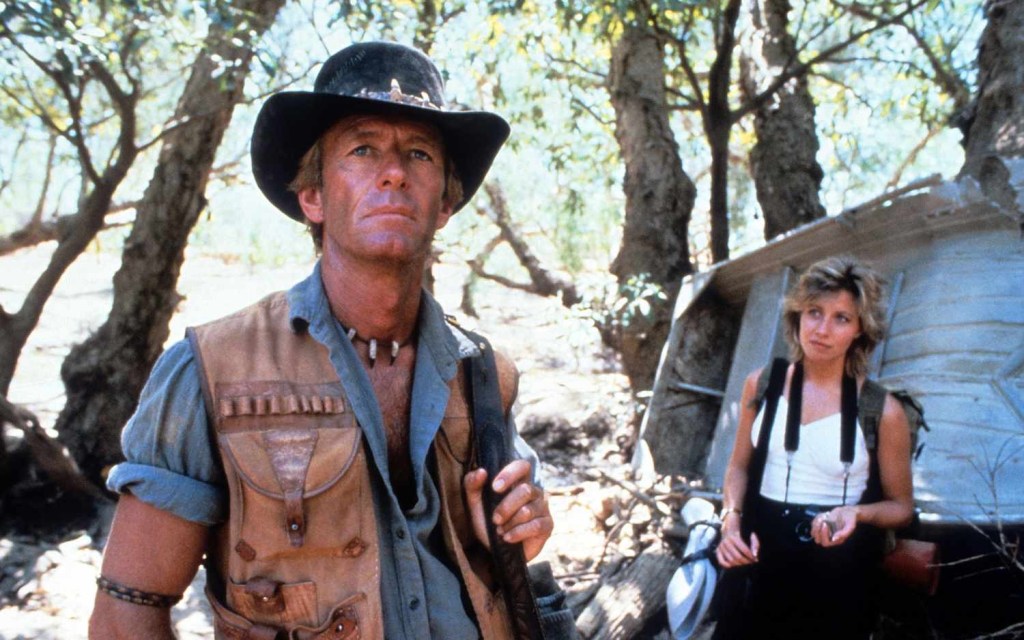
One of the many places in this wide world that I’ve always wanted to see is Australia. Long before “Crocodile Dundee” came along to alter my perception of what a real man should be, there was 1960’s “The Sundowners.” What could be sexier than Robert Mitchum and Deborah Kerr going toe-to-toe in the Outback? And as though that weren’t enough to entice me, there was the young man in my office who went there on vacation in the early ‘80s, came home, sold everything, and went back to Australia to stay. When last heard from, he was deliriously happy.
So yes, I’d love to see it. But to live there? Well, that’s a whole other ball game. It’s not the rigors of living in the Outback, or what we Americans would call the countryside. I’m a city girl, and I would undoubtedly choose life in Sydney, or Brisbane, or the capital city of Canberra. (Bet you thought it was Sydney, didn’t you?) And it’s not because of the climate, or the economy, or the governmental structure — they’re all fine. I wouldn’t even have to learn a new language — just some local idioms. I already know the chorus to “Waltzing Matilda.” So it’s none of those things.
No; quite simply, it’s . . . the wildlife.
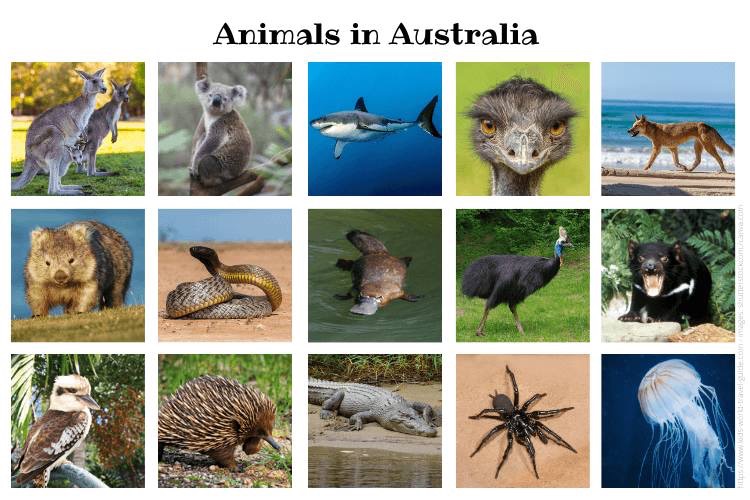
Aside from the familiar — and oh, so lovable — kangaroos and koalas, and wombats and wallabies, there is a list as long as my arm of the strangest, most baffling, and often most terrifying land, sea and air denizens. And while I’ve always been an animal lover, I’ve come to realize that that does not include all animals.
Thanks once more to the wonders of Google, I found a list of about 50 that are native to Australia, most of which I’ve never heard of, and a few I can barely pronounce. If I were talented enough, I’d probably write a little poem for each animal in the style of the inimitable Ogden Nash. (Examples of his: “The cow is of the bovine ilk; one end is moo, the other, milk.” And, on the subject of courting: “Candy is dandy, but liquor is quicker.” How do you compete with that?)
Maybe another day. For now, just allow me to introduce you to some of the most unusual, and mostly really scary, critters from the Southern Hemisphere.
*. *. *
It’s not poetry, but I do have a silly tune running through my brain now, written by Sheb Wooley in 1958 about a mythical creature: “It was a one-eyed, one-horned, flyin’ purple people eater . . .” Let’s try this, to the same tune:
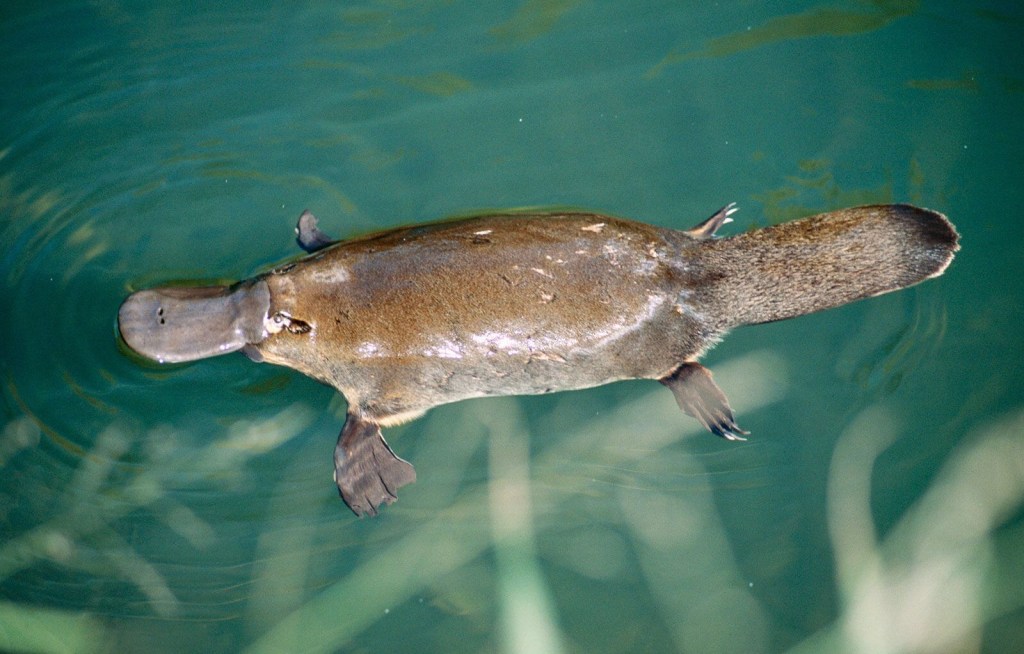
“It is a duck-billed, beaver-tailed, otter-footed marsupial . . .”
I tried to work in “egg-laying mammal” and “semi-aquatic” as well, but they didn’t fit. And this very real creature, by the way, has the additional asset of an uber-cute name: it is called Platypus. You’ve no doubt heard of it, but probably never encountered one unless you live in Australia. And did you know it’s also one of the few species of venomous mammals, having a spur on its hind foot that carries a reportedly very painful venom? So if you do happen to see one, I wouldn’t recommend challenging it to a kick-boxing match.
By the way, I tried really hard to find something — anything — that would even vaguely rhyme with “platypus,” but failed miserably. Where is Ogden Nash when you need him? (Sadly, deceased for some 50-plus years.)
*. *. *
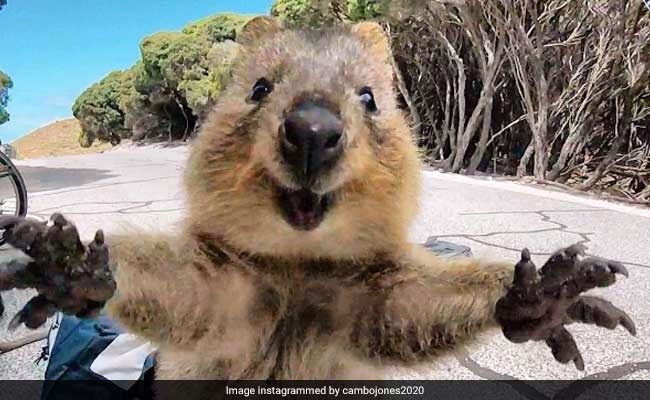
One absolutely adorable little fellow I ran across is the Quokka. He is described as “a small hopping marsupial with an almost human-like smile, earning it the nickname ‘the world’s happiest animal.’ It has a rounded body, greyish-brown fur, small ears and large dark eyes.” Don’t entertain thoughts of ever owning one, however . . . they’re listed as endangered.
*. *. *
And now from the benign to the deadly, since they are the reason I will never set foot on Australian soil (that, and the cost of the plane fare):
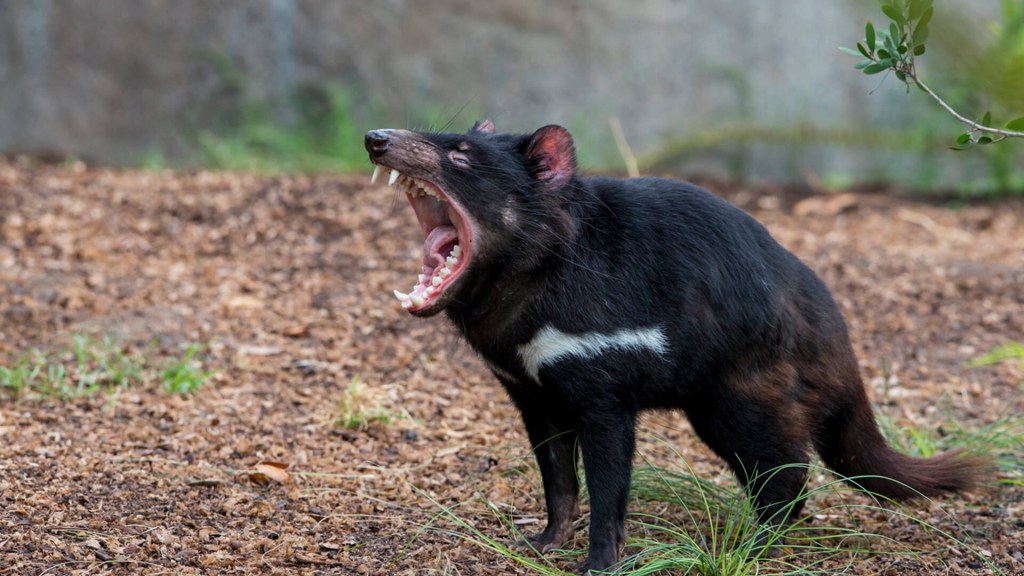
The Tasmanian Devil — no, not “Taz” of Looney Tunes fame — earned its name because of “its blood-curdling screams, eerie growls, black color, foul odor, and aggressive behavior. It is the world’s largest carnivorous marsupial and prefers to eat dead animals.” Yeah, okay . . . got it. Stay away from the Devil.
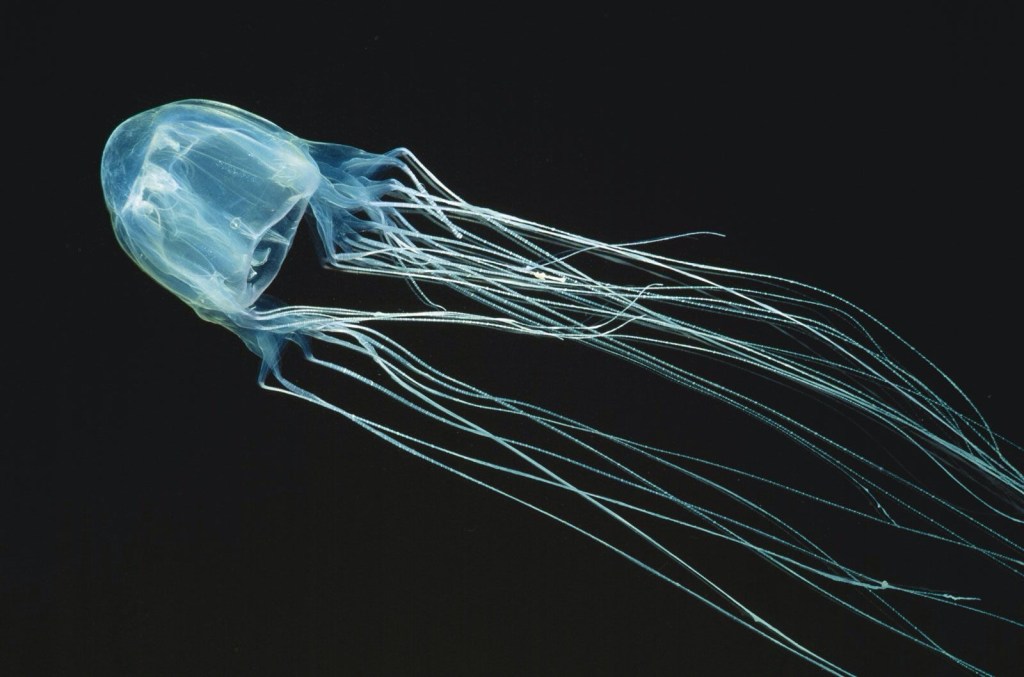
Box Jellyfish. The most venomous animal in the world. Did you hear that? The most venomous animal in the world. Do you want me to repeat it in ALL CAPS?!! Its sting can kill a human in less than two minutes. It lives in the warm waters off the coast of Australia and the Pacific and Indian Oceans, and — I guess this is supposed to be reassuring — “is not aggressive toward humans.” But it lives in warm, shallow waters that are popular with swimmers, so sometimes sh*t happens. Its most recent known victim was a 14-year-old boy who died of its sting in 2022. I can take a hint.
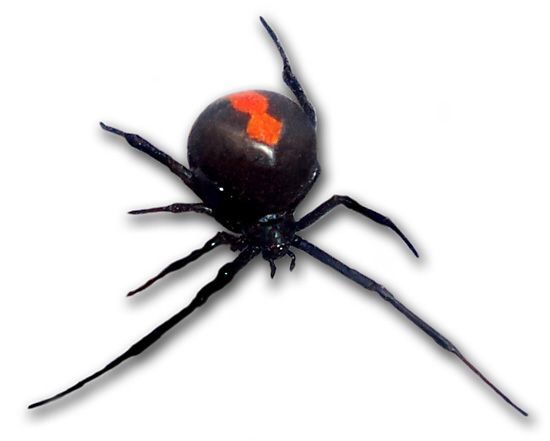
Redback Spider. The second most dangerous spider in the world. It’s the females — the ones with a red stripe on top of their bodies — that you have to watch out for. The male is tiny and harmless, and is often eaten by the female after mating. A bite from a female can be fatal to a human. Frankly, when it comes to spiders, I never get close enough to look for a red stripe or any other marking.
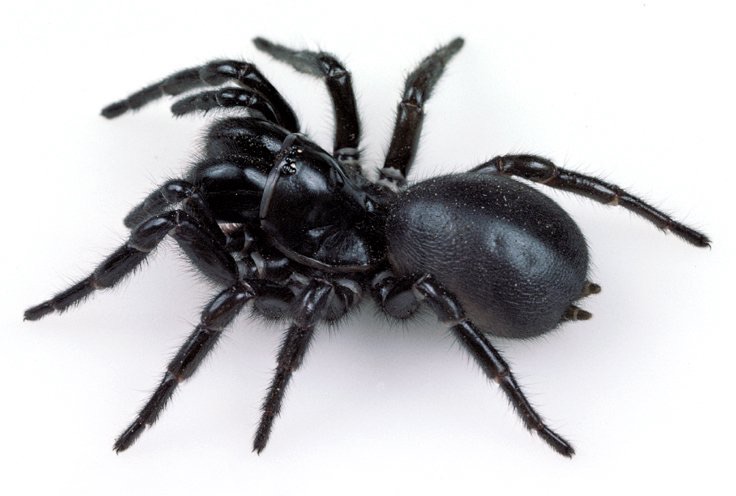
And not to be outdone is the No. 1 deadliest and most aggressive spider in the world: the Funnel Web Spider, whose bite can kill a human in 15 minutes — 15 long, agonizing minutes during which you’re praying for the Deity to just take you already. It looks like any old black spider to me, which makes it doubly dangerous. Its diet consists of crawling insects and small animals. Being a fairly small animal myself, I’m giving this one a wide berth.
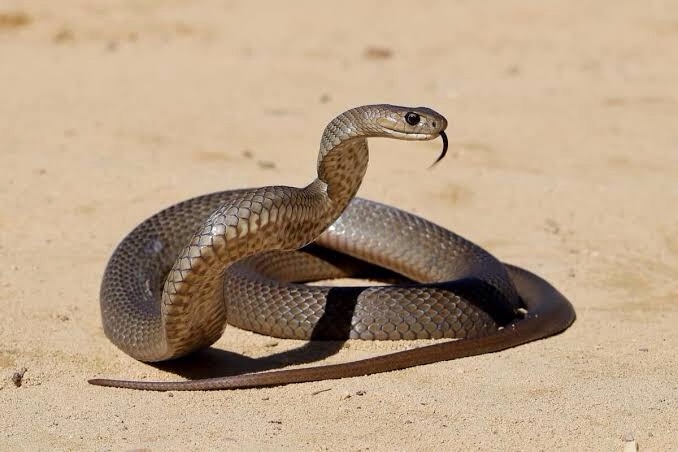
Eastern Brown Snakes. I generally like snakes, but I’ll pass on this one. The second most venomous snake in the world, they are responsible for the most snakebite fatalities in Australia. They feed on vertebrates, frogs, lizards, birds, mammals, and eggs. Got that? Vertebrates. Mammals. Doesn’t that include people?
*. *. *
Okay, I’m seeing a definite trend here. Australia is not a destination of choice for the squeamish, or those who prefer to live to a ripe old age. That would include me, so you now know why my dream of someday seeing the land down under will most likely never come true.
But, not to be too morbid, let’s close with a couple of cuties I hadn’t heard of previously.
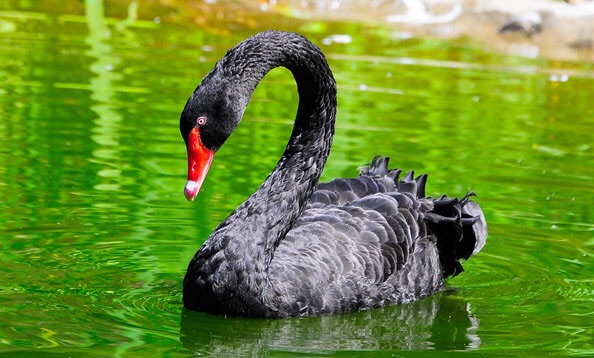
Black Swan. Well, actually I had heard of this one — in my all-time favorite ballet, Tchaikovsky’s “Swan Lake.” She was the evil swan, Odile. But the real black swan is “a large water bird with striking black plumage, a long neck, and a red bill. It makes high-pitched musical bugle-like sounds. [It] is omnivorous, feeding on aquatic plants, insects, and small animals.” Black swans can reach a top flying speed of 80 k.p.h., and often fly in a wedge formation. They have an impressive lifespan of up to 40 years. Charmingly, one of several names for a group of black swans is “a ballet.” A ballet of swans. Probably not a coincidence.
And finally . . .
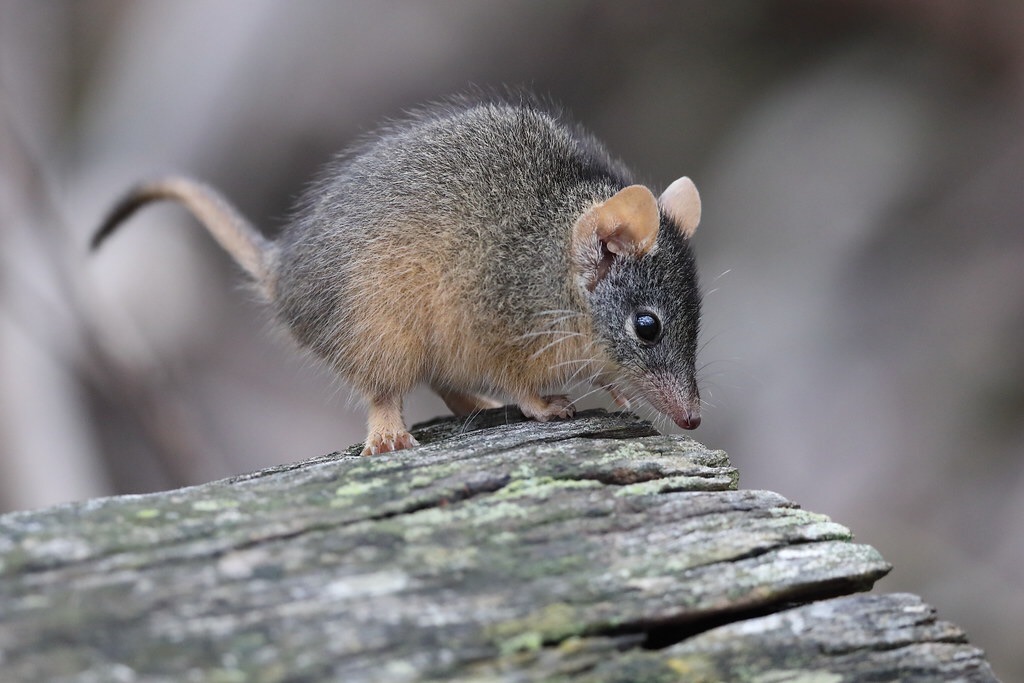
Antechinus. This is a cute little mouse-like marsupial, usually grey, brown, black, or golden-colored. It preys on insects and small animals, and at first seemed rather innocuous . . . until I read that “They have a suicidal oversexed sexual behavior.” You read that correctly: The male literally mates itself to death!
So how have they not screwed themselves into extinction?
I think that’s as good a place as any to end this.
Just sayin’ . . .
Brendochka
6/12/24
 The Blog About Everything … and Sometimes Nothing