While I’ve been feeling really crummy these last few days, have I concentrated on finding things that make me feel better . . . a good book, a favorite old movie musical, calling a good friend? Oh, no . . . that would be the smart thing to do. Instead, I’ve been sitting around, hunkered down in front of the TV, watching reruns of reruns of the goriest episodes of Midsomer Murders. And while only halfway paying attention, I suddenly sat up straight, because someone on TV said something about “the amount of people . . .”
You know that awful reaction most people have to fingernails scratching a blackboard? Well, that’s how I react to some — not all, but certain specific — grammatical errors. They are more than just pet peeves to me . . . they are verbal felonies, punishable by death. And among those criminals, right up at the top of the list, are otherwise educated people — older people who went to school when they actually taught grammar and spelling — who don’t know the difference between “number” and “amount.” So I take it as my duty to enlighten you, hoping that my explanation doesn’t just confuse you all the more.
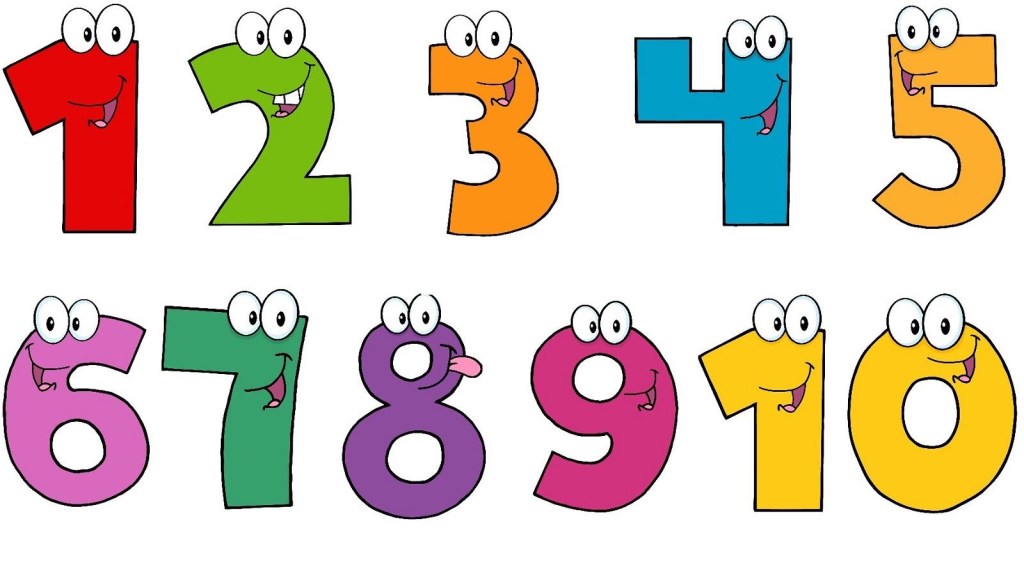
In a nutshell, numbers are for counting . . . right? Okay, good. And things that can be counted are, quite simply, individual items. Like books, fire hydrants, forks, trees, TV sets . . . and people. Get it? The number of people, not the amount. Easy peasy.
Well, then . . . when do we use “amount”? When you’re talking about a mass (not a mess) or the volume of something. Like the amount of water in the ocean, the amount of gin in the martini, or the amount of money the Pentagon spent on toilet seats last year (but the number of toilet seats). There’s the amount of light emitted by the stars; but the number of stars. The total amount of water in the glasses; but the number of glasses. The amount of time it takes to read this annoying article; but the number of insulting names you’re calling me while reading it.

That’s all. It’s simple. And if you enjoyed this lesson, maybe next time we’ll tackle the difference between “lie” and “lay,” or when to use an apostrophe, or . . . well, never mind. I’ll just surprise you.
TTFN,
Brendochka
1/21/24
 The Blog About Everything … and Sometimes Nothing