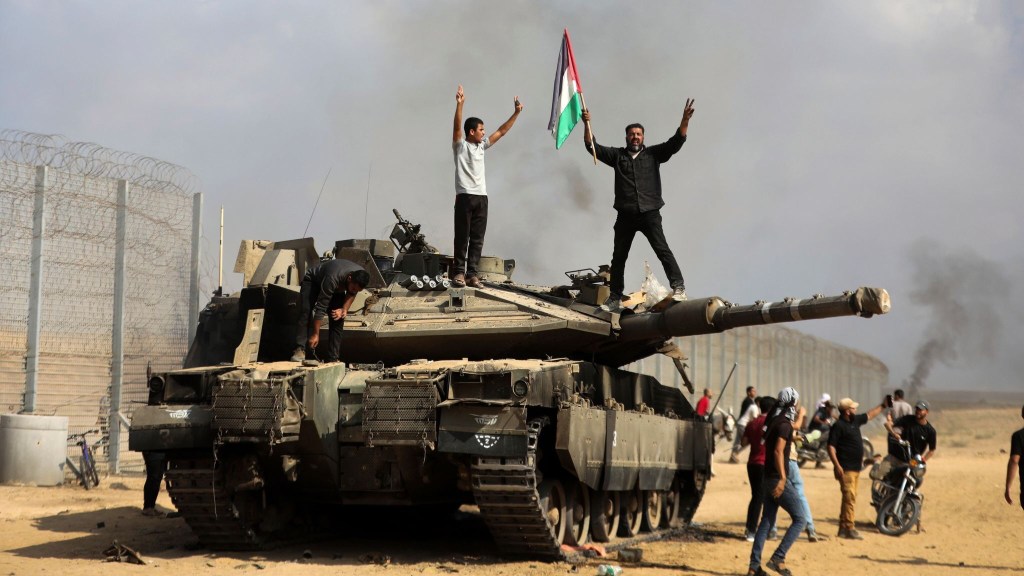
Not surprisingly, it took no time at all for the Israel-Gaza war to overtake the ongoing disaster in Ukraine as the lead news item. The Middle East conflict is hugely important in countless ways, not least because of the unimaginable brutality of Hamas’ attack and the sickening slaughter of more than 1,300 innocent civilians enjoying a weekend holiday festival. Such a monstrosity deserves headlines. And the seriousness of the international implications of any Middle East conflict are undeniable. In a world rife with recent calamities, this one surely has the potential to create the most far-reaching consequences.
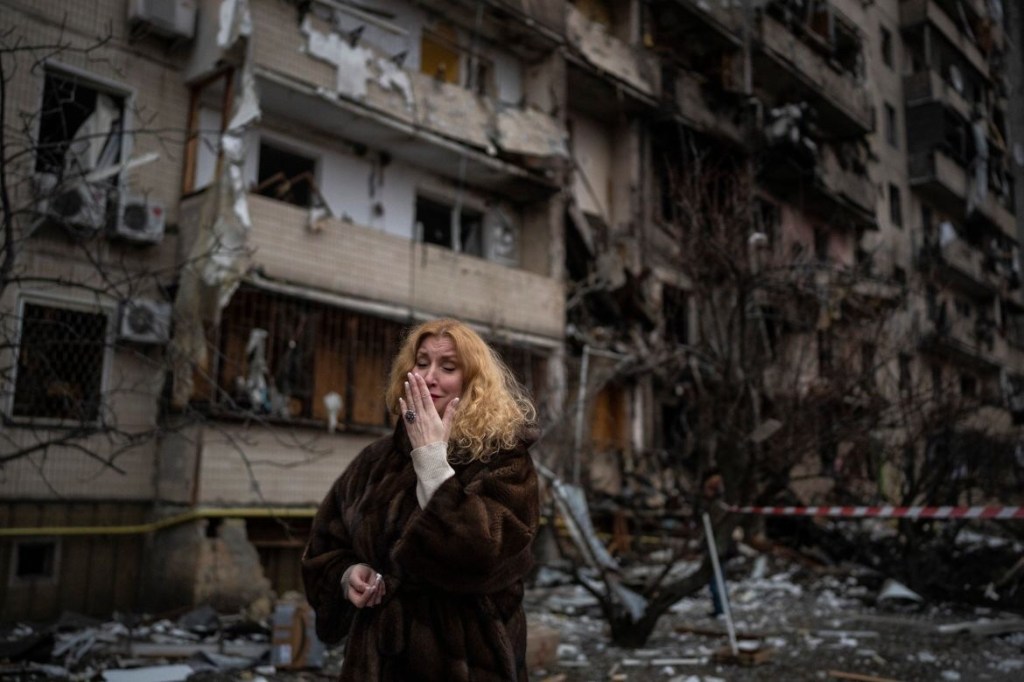
But Ukraine deserves no less. In the 19 months since Russia’s unprovoked attack on February 24, 2022, nearly 10,000 Ukrainian deaths have been verified, and at least 17,000 more are reported wounded. Not to mention the millions — mostly women, children, and elderly — who have been displaced and continue to suffer the ravages of war. The world has rallied to assist Ukraine in every way possible; but the future is unclear, for two main reasons.
Reason No. 1: First, of course, is that selfsame Middle East problem. Israel needs help now, and the free world has risen up to offer it. It has become clear that Hamas’ home territory, Gaza, receives weaponry and other assistance directly from Iran. Iran, in turn, freely exchanges military hardware and technology with Russia. The stakes are astronomical, and Ukraine can no longer count on the world’s undivided attention.
Reason No. 2: No one anticipated that Russia’s war against Ukraine would last as long as it has. Russia in particular expected that they would swoop in, be welcomed with open arms, and claim Ukraine as its very own. Well, surprise! It turned out that that wasn’t what the people of Ukraine wanted; they prefer to remain a sovereign nation, not a proxy of Putin’s (or anyone’s) Russia. Most of the free world jumped onto Ukraine’s wagon, offered every type of assistance — military, technological, humanitarian, and shelter for its millions of refugees. And we thought that would be sufficient to bring about the quick defeat of Russia’s poorly equipped and poorly trained military. But it’s taking too long. And Ukraine’s friends are growing weary, and running low on money, weaponry, tanks, missiles, drones, and — in some cases — patience.
*. *. *
The common denominator in these two wars is — and always has been — Vladimir Putin. He wants this war with Israel to drag on in order to draw the attention, and assistance, away from Ukraine, where he has been fighting a losing battle for the past 19 months. By doing so, and by quietly currying favor with several NATO-member Eastern European neighbors of Ukraine, he feels certain he can turn the tide, defeat Ukraine, and “win back” territory that he feels rightfully belongs to Russia. And he may succeed . . . if we let him.
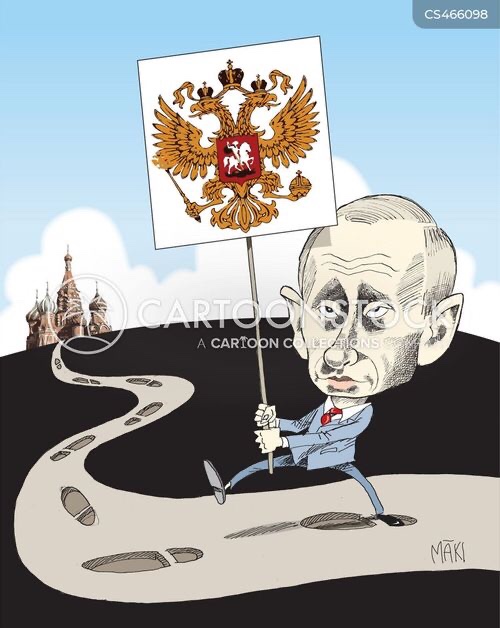
Clearly, the future of Ukraine will have as great an impact on the rest of the free world as will the future of Israel. While we think of Israel as being embattled by its Arab neighbors, we tend to overlook the behind-the-scenes sponsor of many of those Arab countries: Russia. The only difference is that Putin invaded Ukraine directly; in Israel, he can sit back and watch his proxies do the dirty work.
To say that this is not an easy time for the countries of NATO and the rest of the free world would be a gross understatement. But our futures, and our very lives, depend upon our sticking together and fighting the aggressors, now on two fronts. We’ve done it before, and we can — and must — do it again. Because the alternative is too terrible to contemplate.

Just sayin’ . . .
Brendochka
10/16/23
 The Blog About Everything … and Sometimes Nothing