There’s an old joke that goes something like this: Question — What is the shortest book ever written? Answer — Polish War Victories.
Ha ha, very funny. Now think about this:
Nicolaus Copernicus; Frederic Chopin; Ignacy Paderewski; Marie Curie; Lech Walesa; Zbigniew Brzezinski; Pope John Paul II. Not an insignificant roster of native sons (and daughter) for any country — and one of which Poland is justifiably proud.
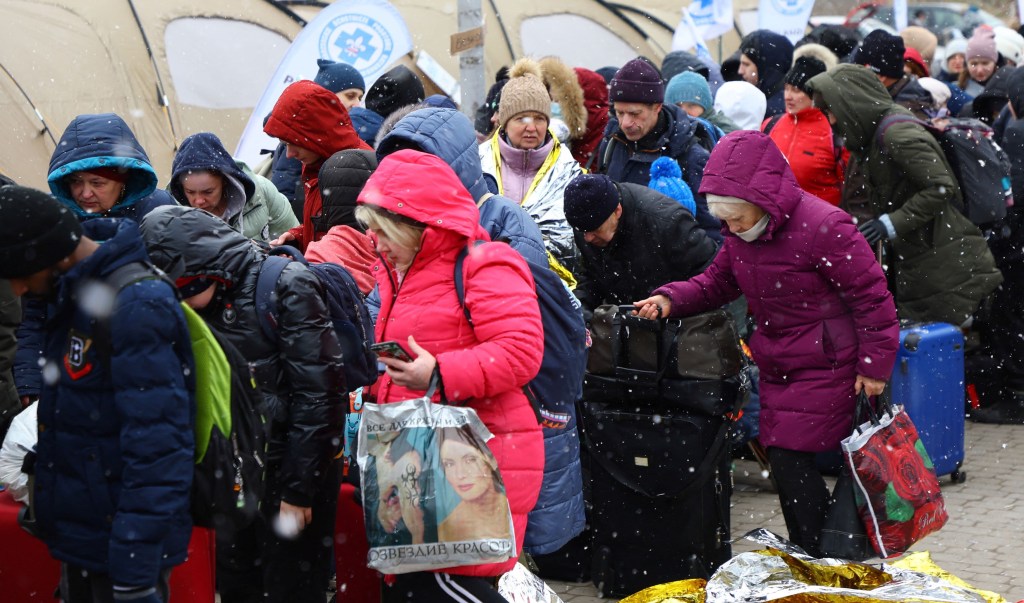
And recently, Poland has had another claim to fame: its immediate and total commitment to the defense of Ukraine following Russia’s invasion of February 24, 2022; and its continuing aid in terms of providing weaponry to Ukraine’s military and shelter to 1.5 million of its war refugees.
But wait . . . what has happened to change that? And what will be the effect of any such change on the dynamic between these two historic allies? First indications are more than a little unsettling.
And it can all be laid at the feet of that professed paragon of virtue: Mother Russia.
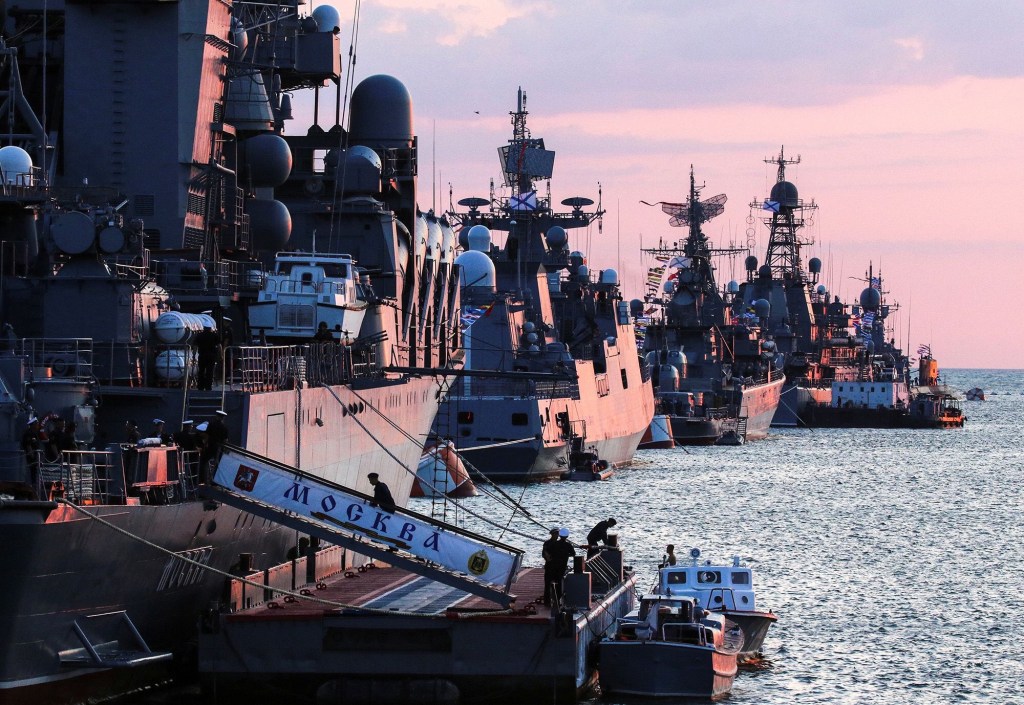
Very briefly — or as briefly as possible — the chain of events goes something like this: First, Russia stages its “Special Military Operation.” Oh, hell . . . let’s call it what it really is: Russia’s war of attrition against Ukraine — a country known as “the breadbasket of Europe” because of its massive grain exports to numerous countries. And as part of Russia’s strategy, her naval ships are sent to blockade the Black Sea ports through which those vital exports are transported . . . thus punishing not only Ukraine, but the hungry people of a number of Russia’s professed African allies, among numerous other countries that normally depend on those grain shipments for their very survival. Makes sense, no?
NO! It does not. But that’s what Russia does.
Next, Ukraine seeks alternate routes through which to send its food, one of which is an allied country with whom it shares a large land border — Poland — as well as two other friendly neighbors, Hungary and Slovakia. This works well, for a while, but then . . .
You’ve heard of the trickle-down effect, of course. Well, here’s where it begins in our story. The EU, in order to support Ukraine’s continuing food exports and alleviate the threat to global food security, sets up what it calls “solidarity lanes,” and temporarily lifts all duties and quotas on Ukraine’s exports. And suddenly there is a glut of inexpensive Ukrainian grain flowing into Poland, Hungary and Slovakia, severely cutting into the profits of the farmers in those countries. And those farmers don’t remain silent for long.
There are demonstrations in Poland, and back-and-forth insults and accusations are traded between Poland and Ukraine. Surprisingly and uncharacteristically, an angry Ukrainian President Zelensky steps into the fray, stating that the nations involved (the Poland-Hungary-Slovakia triumvirate) “may seem to play their own role but in fact they are helping set the stage to a Moscow actor.”
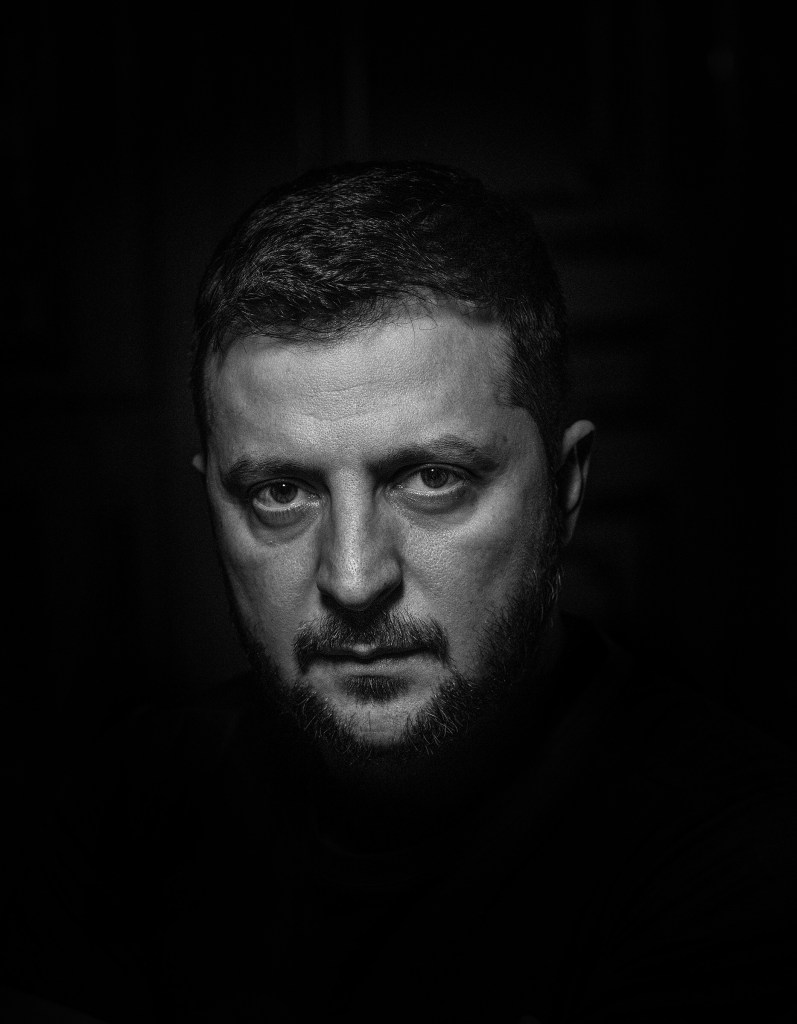
Oh, dear. Needless to say, that does not go over well in Warsaw, where the foreign ministry summons the Ukrainian ambassador to convey its “strong protest.” And now, Poland is saying that it may “no longer transfer weapons to Ukraine.”
I think I have the order of things straight. The whole situation has become muddled, with each side now trying to walk back some of the strongest statements and find a resolution to the conflict. Ukraine and Poland are long-time allies in their resistance to Russian dominance, and — like an old married couple — they need each other despite some differences and disputes.

But . . .
I have said before that in Russia there is always a “but.” And the most recent interjection, as reported by CNN on September 22nd, comes from that pesky Kremlin spokesman, Dmitry Peskov. As reported by CNN, quoting Peskov:
“‘As we can see, there are certain tensions between Warsaw and Kyiv. We predict that these tensions will increase,’ Peskov said during a regular call with reporters, when asked to comment on Poland signaling that it would stop sending arms to Ukraine.”
[A self-fulfilling prophecy, if I ever heard one. -Ed.]
“‘We understand that tensions between Kyiv and other European capitals will also increase over time. It’s unavoidable. In the meantime, we continue our special military operation to fulfill the tasks that we have set for ourselves,’ Peskov said.”
[No longer a prophecy, but a blatant threat. -Ed.]
“When asked to comment on the Polish government’s remarks that the country will focus on arming its own forces, and whether that’s causing concern in Russia and Belarus, Peskov said work to ensure Belarus and Russia’s security is ‘underway.’
“‘As for weapons, the neighborhood [border?] with Poland is not the most comfortable for our Belarusian comrades. The country [Poland] is quite aggressive. It does not refrain from subversive activities and interference in internal affairs,’ Peskov said. ‘But our Belarusian friends and allies are on alert against the background of potential threats that could come from Poland, as we are.’” [Emphasis is mine.]
[The gauntlet is thrown. -Ed.]
*. *. *
And there you have it: the opening gambit of Russia’s standard game, wherein they depict their target — in this case, Poland — as the bad guy, the aggressor, the threat to Russia’s security. Is it not eerily reminiscent of Russia’s accusations against Ukraine when they were preparing their “special military operation”? Poland has every right to be worried, as they are now wedged between the proverbial rock and hard place. They have pledges to fulfill to their friend and neighbor, Ukraine; and they have their own people to protect from another neighbor with whom they share a long border: Russia’s “friend and ally,” Belarus, through whose territory Russian forces would have free rein to walk straight into Poland. And all with the compliments of Belarus’ self-proclaimed President and dear friend of Vladimir Putin: Aleksandr Lukashenko.
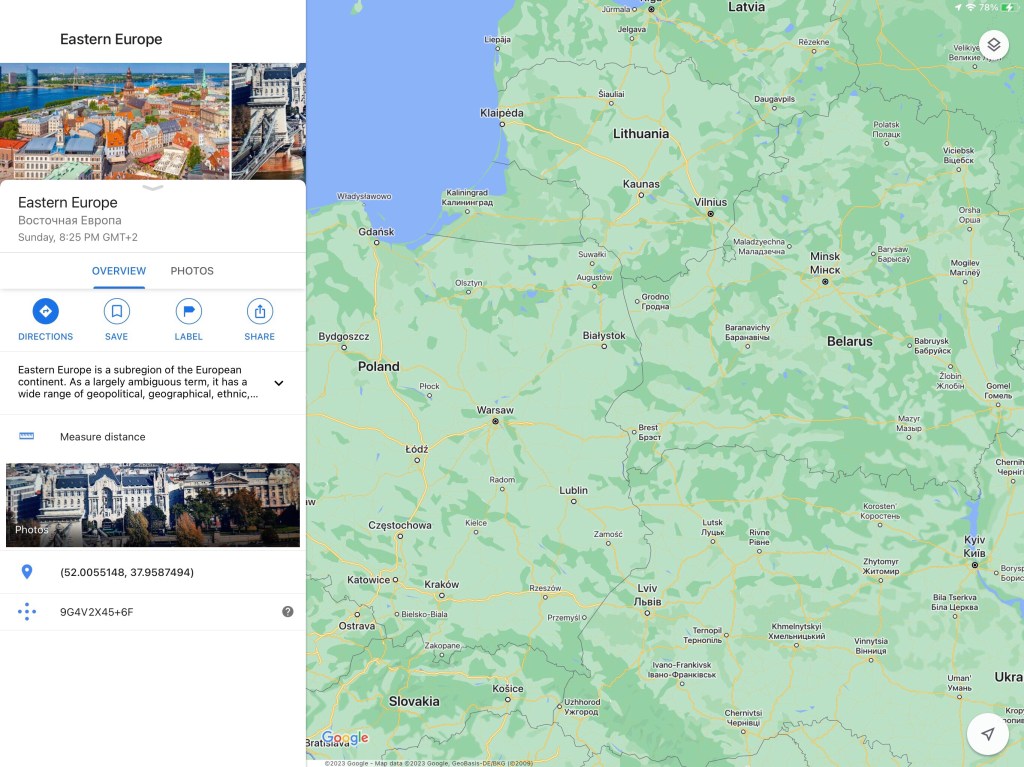
So what is going on? Is this simply a Russian tactic to shake things up in Poland prior to its upcoming elections in order to swing the results to Russia’s satisfaction? Or, even more ominously, are we seeing the next step in a planned westward march into the former Soviet Bloc of Eastern European nations? In that case, one has to ask whether today’s Russia is even capable of implementing such a plan, considering the state of its economy and its military forces?
And finally, we must ask ourselves, as Vladimir Lenin himself once did: “Shto dyelat?” — “What is to be done?”
Stay tuned, folks . . .
Brendochka
9/24/23
 The Blog About Everything … and Sometimes Nothing