All four of my grandparents left Russia — the part that is now Ukraine — back in 1905, and came to the United States to find a better life for themselves and their children. And I thank God that they did. But I discovered, and fell in love with, the land of my ancestors some 40 years ago, and have had an ongoing romance with all things Russian ever since. And now, tragically, I am forced to acknowledge that the Russia of today is not the Russia I once knew . . . and my heart is broken.
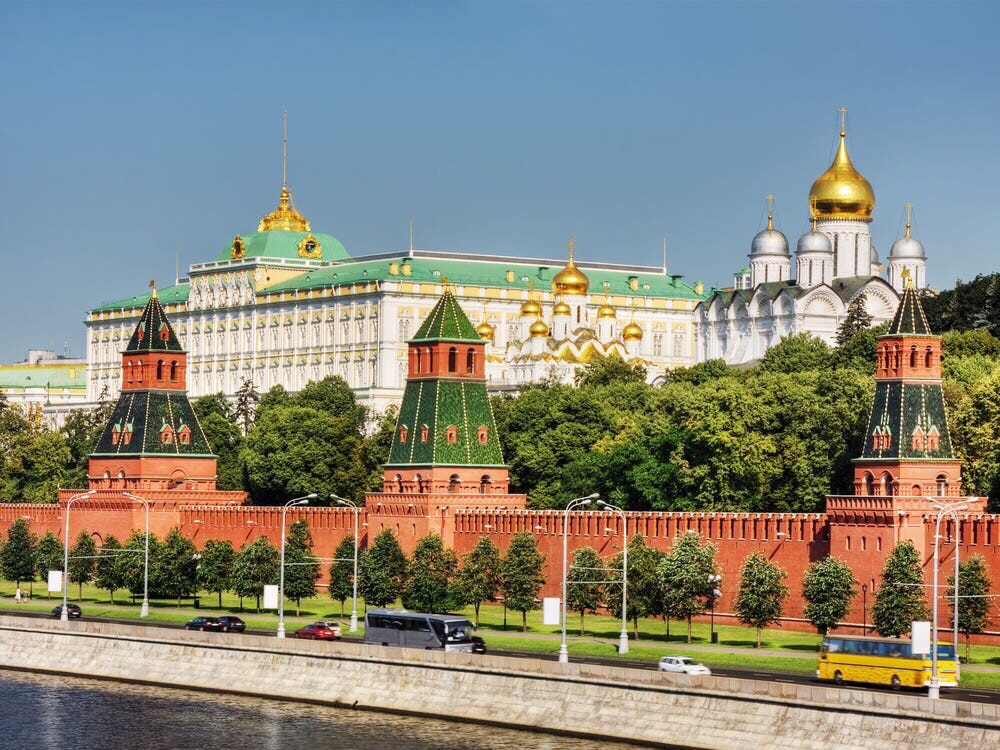
There are few countries in the world that have as rich, as varied, and as tragic a history as the ancient land of Kievan Rus. But it is, of course, the more recent history that is familiar to most of us: the last Tsar, Nicholas II; the Revolution of 1917 that led to the horror that was the USSR under Lenin, Stalin and all the others in-between and after; the great hope of reform and democratization of the 1980s and ‘90s under Gorbachev and Yeltsin; the long-overdue collapse of the Soviet Union in 1991; and now . . . well, now a return to the “bad old days” of lies, repression, persecution, and outright murder that I call “Putinism.”
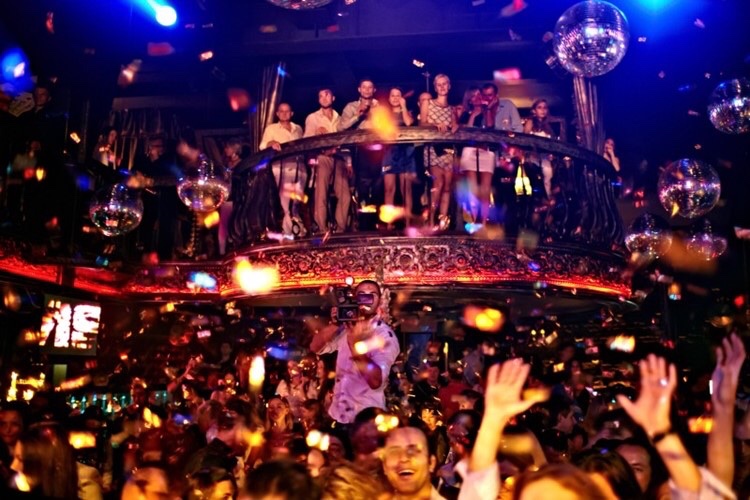
Those final two decades of the 20th Century brought modernization, commerce, and a burgeoning prosperity to a land that had been stuck for so long in its isolationist past. People were finally able to live freely, to make choices for themselves, to be an integral part of the big, wide world. But those years also brought with them the worst of the West: a self-centered, hedonistic, pornographic, materialistic, blue-jeans-drug-hazed-rock-and-roll culture that has displaced the traditional values of the Russian soul; and a “Wild West” economy run by a criminal element far worse than the Robber Barons of the 19th Century, who at least earned their wealth by creating some of the world’s greatest industries.
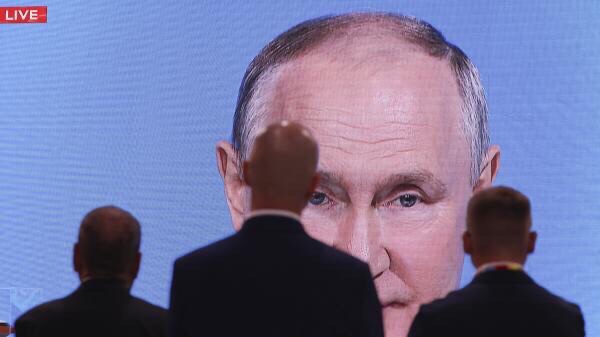
And into this morass stepped Vladimir Putin, initially presenting himself as a liberal proponent of reform, but ultimately revealing the Satan inside the man. He bought the loyalty of the ruling oligarchs with money and threats; built a police state to rival those of Leninist and Stalinist times; and has accelerated the crackdowns on any and all who dare — not just to try to overthrow him — but even to simply utter the newly-forbidden words he has written into his so-called legal code. And he has engineered revisions of Russia’s Constitution to potentially extend his rule at least twelve more years to 2036. Not too shabby for a little nobody from the mean streets of St. Petersburg.
*. *. *
When I lived and worked in Moscow in 1993, I was free to carry on the work of the American humanitarian aid foundation that had hired me. I associated openly with my new Russian friends, and we spoke freely of our political and social views. I even had friends — well, friendly acquaintances — in the KGB and the Moscow Militia. And as long as I avoided the criminal element, and didn’t break any laws myself, I was able to feel comfortable there.
But would I feel safe in Russia today? Seriously? When it’s not just the Russian oppositionists, like Alexei Navalny and Vladimir Kara-Murza, who are being locked up for what may as well be life sentences? Or those being killed outright, like Boris Nemtsov and Anna Politkovskaya? Because now we are once again witnessing the arrests, with distressing impunity, of foreigners — including Americans like Paul Whelan and journalist Evan Gershkovich — on made-up charges of spying, or whatever suits the authorities on any given day. And they are just the tip of the iceberg.
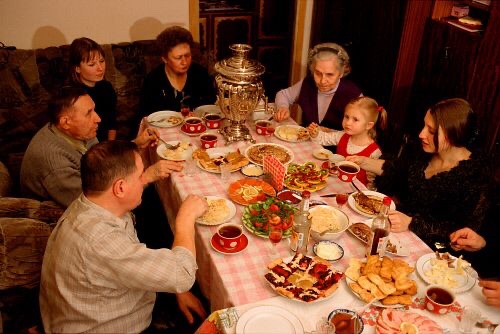
No, I would not think of going back to Russia today — not even for a brief visit, as I did for the last time in 2009 from the safe haven of a Holland America cruise ship docked at St. Petersburg. And I am saddened beyond description at what has happened to my ancestral land. But I have my albums of photographs, my journals, and my vivid memories of the times that I spent there, and I try to remember it as it was: spiritual, friendly, welcoming, and full of hope.
*. *. *
There is a lovely book — a “coffee table” book of photographs and descriptive text that I bought years ago — titled A Day In the Life of the Soviet Union. And as I leafed through it for the first time, I turned a page . . . and I saw myself. Or so it appeared. It was actually a photograph of my doppelgänger: a Russian woman seated on a commuter train. She had my face, my hair, and even my usual posture when I’m reading or lost in thought. And that picture reminds me, time and time again, of where my people came from, and whose genes I carry. They may take away my right to visit in person; but they can never take away my history.
And so, to my Russian and Ukrainian friends: I bid you прощай — farewell. My most fervent wish would be to cure this plague that presently envelops you. But I cannot. I can only wish you: всего наилучшего и счастливое будущее — “all good luck and a happy future.”
I miss you . . . be safe.
Always, your
Brendochka
8/17/23
 The Blog About Everything … and Sometimes Nothing
very compelling. I cannot begin to imagine how you must feel. Perhaps someday soon things in Russia & Ukraine will begin once again to go in more reasonable & peaceful direction. We can only hope. I , for one, have faith that that is the direction we are headed. Just wish it didn’t have to take so long to get there, if ever…
LikeLiked by 1 person
Thank you so much for your good thoughts. I’m not so optimistic, but I hope I’m wrong. By the way, how are you enjoying the cool Finnish climate? Your photos are beautiful, as always.
LikeLike