For that whole month of July in 1952, we stayed with my aunt and uncle and their two sons: a six-year-old and a toddler. The boys had separate bedrooms, but during our stay they were moved in together, and we — all three of us — shared the other small room with a twin bed and a rented rollaway cot. We took turns sleeping on the cot, which was the prime spot because it was by the window and you got to sleep alone, while the other two had to share the twin bed against the opposite wall. I’ve already mentioned the record heat wave that hit D.C. that summer, but I haven’t yet described my aunt and uncle’s house. It was a duplex, or semi-detached, brick two-story, with a flat roof and no air-conditioning. In short, the second floor was a virtual sauna. And we were from up north. The D.C. climate was hell on earth.
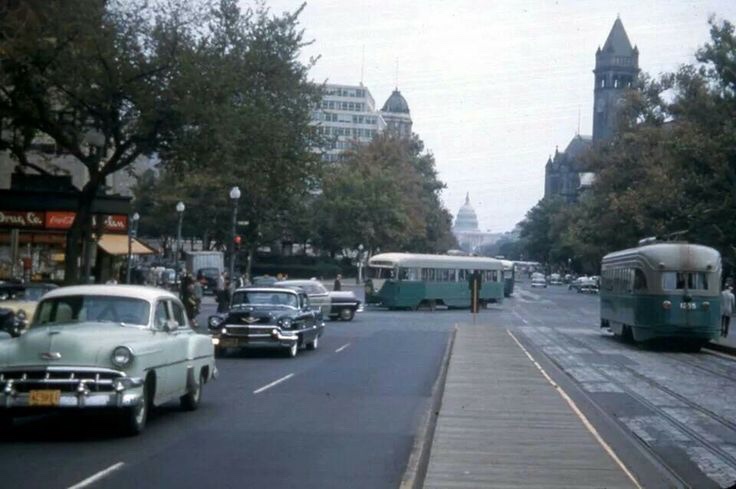
But the company and the food were good, and somehow we survived the heat. Within a week, both my mother and sister had jobs, and I had made friends with some of the kids my age in the neighborhood. They had a great deal more freedom than my New Hampshire friends and I had ever had. One day we were able to take the bus downtown, where they showed me the wondrous sights of our nation’s capital: the White House, Capitol Hill, the Lincoln and Jefferson Memorials . . . and the Washington Monument, where we rode the elevator up to the top, but made the gigantic mistake of walking down. All the way down — all 500 feet, all 896 steps down — because the elevator doesn’t make stops along the way so once you start walking, you’re in for the long haul. Our legs were rubbery by the time we hit bottom, and we had to find a park bench and literally hit bottom, sitting for a while before we could continue on our way home. Lesson learned: never do that again! (Also don’t do it in cute shoes.)
But I had seen my future from the top of that monument. Though I couldn’t then have predicted it, Washington was destined to become my city: the core of my universe, where I would spend most of the rest of my life reveling in the political, diplomatic, and economic activity at the axis of the world. I was on the verge of becoming a city girl. In reality, Washington in 1952 — although it seemed huge and sophisticated to me — was still a smallish city, with only a limited variety of cultural and social options unless you were a political insider. But it too was on the brink of a growth spurt, and the city and I were due to mature in tandem. My timing could not have been better.
The rest of the ‘50s sped past as we moved into our own apartment, I entered high school, hated it, graduated in 1955 at the age of 16 years and 3 months with the requisite straight A’s (except for PhysEd, at which I really stink) and a couple of awards . . .

. . . and made a deal with my mother. My sister had had to cut short her education in order to help support us, and I was feeling conflicted as to whether I should go to college when she hadn’t been able to, or to look for a job as she had done. So I said I’d postpone the decision for a couple of months and see whether I could find a job I liked over the summer. And that is when Fate took over: I interviewed for the perfect job in a small law firm. The lady at the employment agency told them I was 17; the junior partner in the firm was desperate for help; and they gave me a chance, on a three-month trial basis. I was there for seven years, learning about legal practice and procedure, and growing up the rest of the way. On my 19th birthday, I finally admitted to my real age, and no one cared.
*. *. *
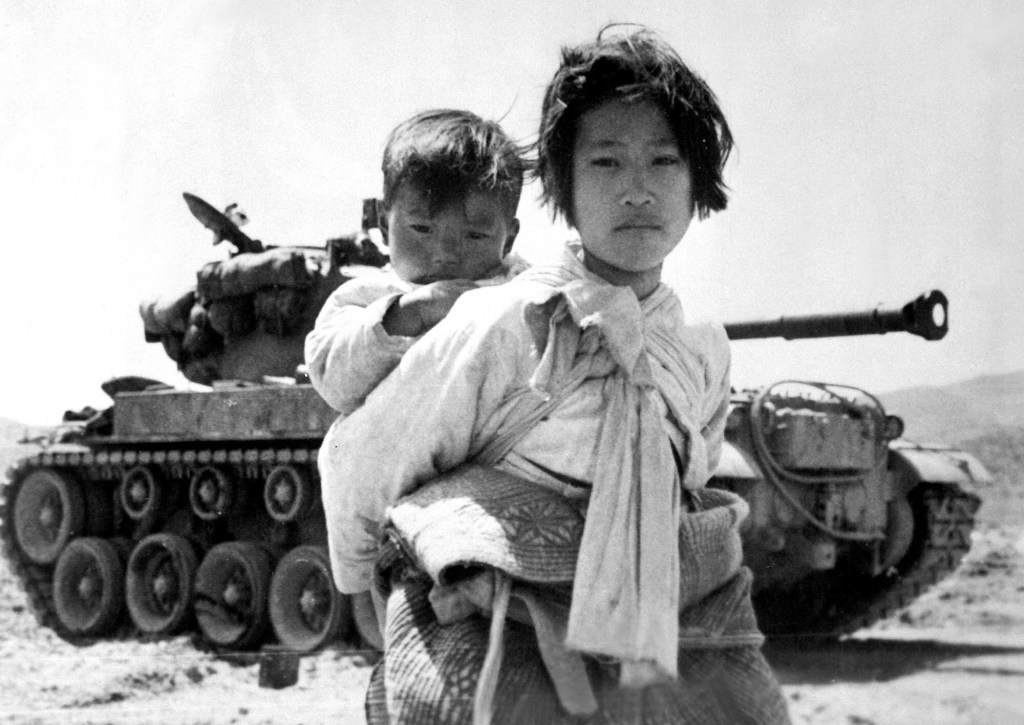
The world was not idle during the decade of the ‘50s. The Korean War ended in 1953 after three bloody years in which hundreds of thousands of combatants on both sides were killed or wounded, in addition to the loss of an estimated total of two to three million civilians. To this day, there are still two Koreas — North and South — with a Demilitarized Zone separating them at the 38th Parallel. Communism continues to refuse to die.
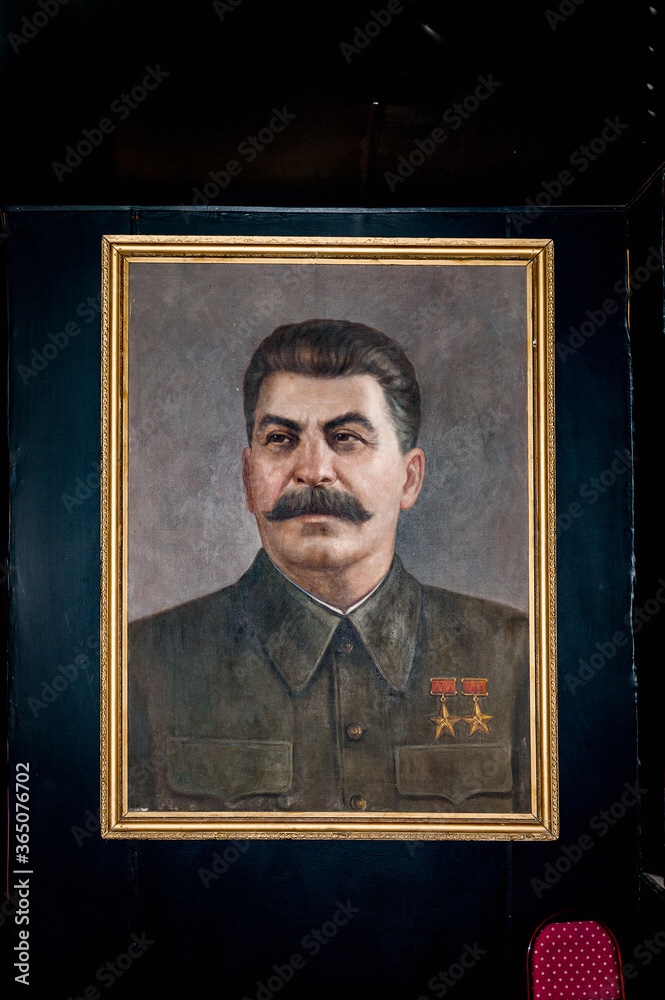
On March 5, 1953, Iosif Vissarionovich Djugashvili — better known as Joseph Stalin, the despot who had ruled the Soviet Union with an iron fist since 1924 — breathed his last. But, despite a brief period of “glasnost” under Mikhail Gorbachev and Boris Yeltsin in the later part of the century, totalitarian rule in Russia has returned — and continues to refuse to die.
In 1957, the Soviet Union launched the first man-made satellite — named Sputnik 1 — into orbit, and the Space Race between the United States and the USSR began. To this day, the adversarial relationship between Russia and the United States continues to refuse to die.

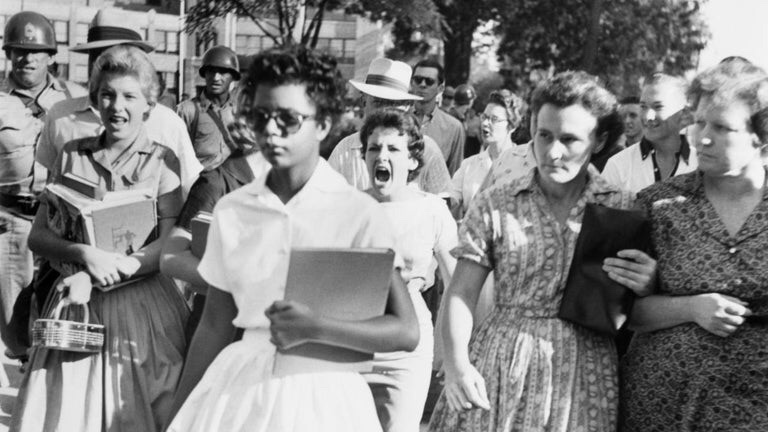
In 1954, the case of Brown v. The Board of Education was decided by the U.S. Supreme Court, which ruled that segregation of schools was unconstitutional. Yet to this day, bigotry and racism also continue to refuse to die.
Some things just don’t want to go away; or perhaps it’s simply that we humans continue to refuse to learn.
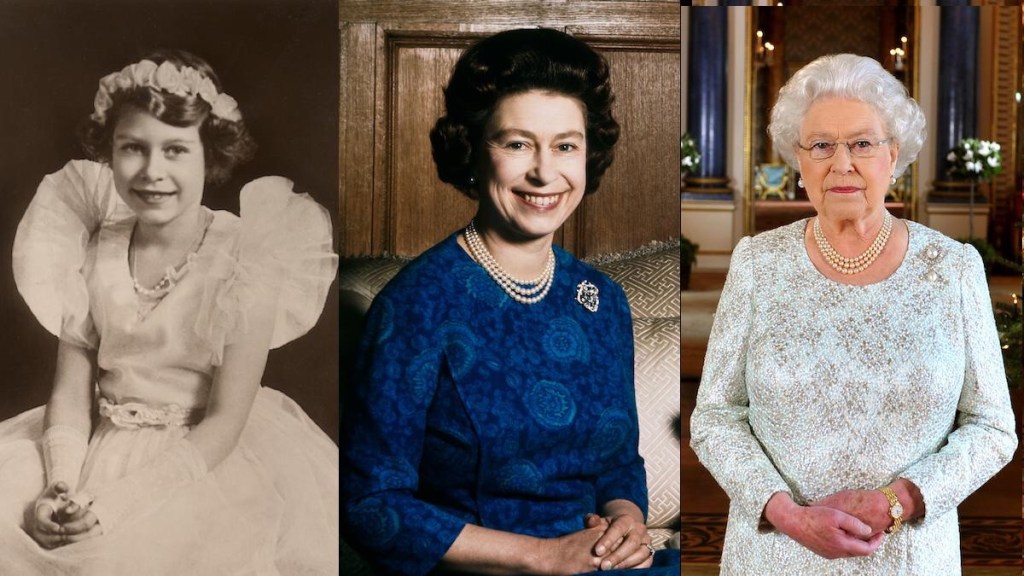
And in 1952, King George VI of England died and the Crown passed to his elder daughter, affectionately known to her family as Lilibet. At just 26 years of age, she was officially inaugurated as Queen Elizabeth II, and reigned for a record 70 years, passing away at the age of 96 in the year 2022. “Long live the Queen,” indeed.
Inevitably, the ‘50s rolled toward the ‘60s. This was the age of Bill Haley and his Comets, the Everly Brothers, and Elvis; Alvin and the Chipmunks; JFK and Jackie; the jitterbug, the twist, and slow dancing; the T-bird and hot rods; Nikita Khrushchev banging his shoe on a desk at the United Nations; James Dean and Natalie Wood; drag racing; shirtwaist dresses with full skirts and layers of petticoats; and two-martini lunches. And for me, it was a new world of grown-up dating and a little bit of illegal drinking — they didn’t check IDs as carefully in those days. I learned to drive and my mother bought a car. And I gave up my thoughts of full-time college studies, but took night classes instead. Except for something called the Cold War, life was good, just the way it was.

In November of 1960, John Fitzgerald Kennedy was elected the 35th President of the United States. And the world began to change faster than it ever had before . . .
‘Til next time,
Brendochka
6/19/23
 The Blog About Everything … and Sometimes Nothing